Survival Gear List for Beginners That Works
Most beginners buy survival gear backward. They start with flashy tools, oversized knives, or a bag full of random gadgets, then realize they still can’t purify water, stay warm, or see after dark. A real survival gear list for beginners starts with the boring stuff that actually keeps you alive.
That means building around the basics first – water, shelter, fire, light, first aid, and communication. Once those are covered, you can add tools and comfort items without wasting money. If you want gear that earns its space, this is where to start.
What a beginner survival kit actually needs
The goal is not to prepare for every apocalypse scenario. The goal is to cover the most likely problems: getting stranded on the road, losing power for a few days, dealing with bad weather, or spending an unexpected night outdoors. Your gear should match real life, not fantasy.
For most people, that means choosing compact, dependable items with low learning curves. A beginner does not need the most expensive gear on the market, but cheap junk can fail when it matters. The sweet spot is simple equipment that works right out of the package and holds up under rough use.
A smart kit also depends on where you live and how you move. A truck kit in Arizona looks different from a winter car kit in Michigan. A van lifer may want more power storage and cooking capability. An apartment dweller may care more about blackout gear and water storage. Same mindset, different loadout.
Survival gear list for beginners: start with these essentials
Water: your first priority
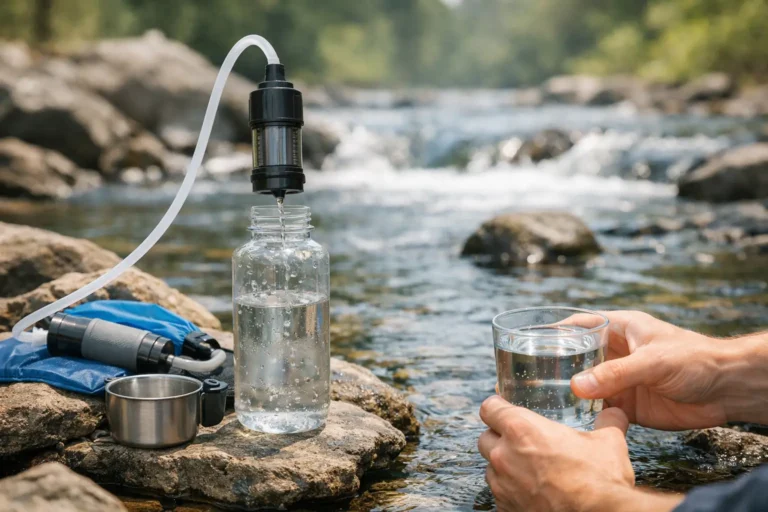
If your kit can only solve one problem well, make it water. Dehydration hits fast, and bad water can make a bad situation worse in a hurry. Every beginner kit should have stored water, a way to carry more, and a way to make questionable water safer.
At minimum, keep sealed drinking water or durable water bottles in your home, vehicle, or bag. Then add a simple water filter or purification method that does not require much skill. Beginner-friendly filters are easier to use correctly than improvised methods, and that matters under stress.
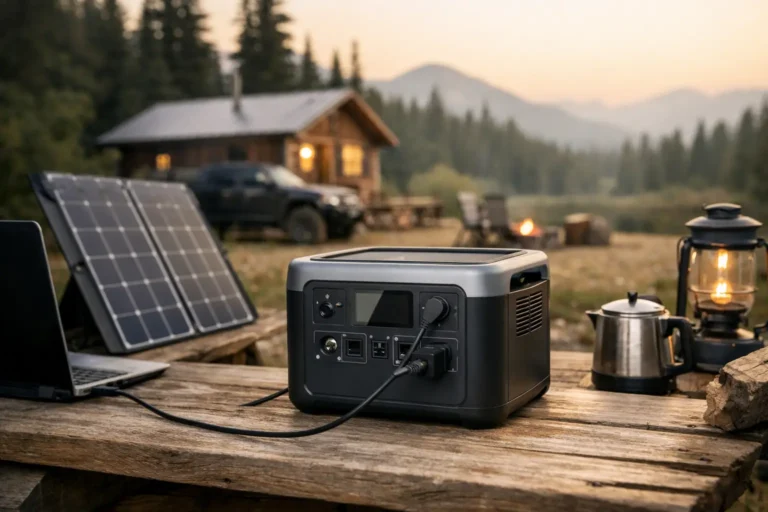
If you are building a home or vehicle setup, this is also where power can become useful. A portable power station can support small emergency gear during outages, but it does not replace drinkable water. Handle the life-critical basics first, then build around them.
Shelter and warmth: stop exposure early
Exposure is what sneaks up on people. You do not need freezing temperatures to get into trouble. Wind, rain, wet clothes, and a long wait for help can drain body heat fast.
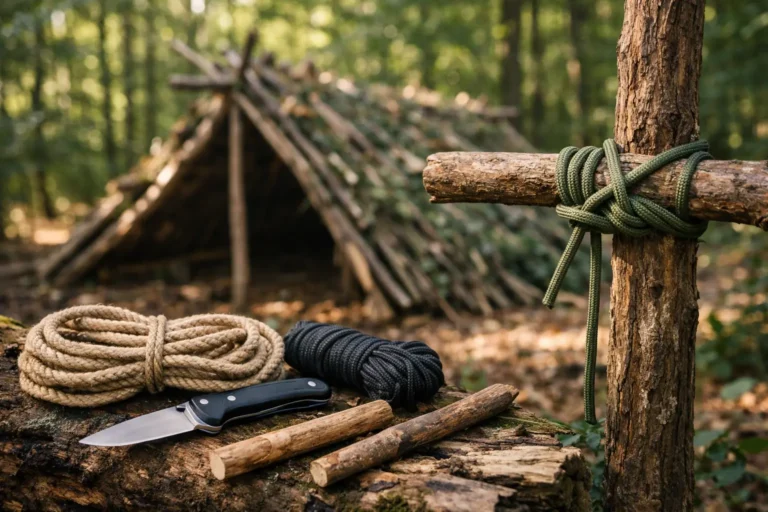
A solid beginner setup usually includes an emergency blanket or bivvy, a compact tarp, and extra layers. In a vehicle, add a real blanket, gloves, a beanie, and a spare change of dry clothes if space allows. For a go-bag, a lightweight rain shell does more work than many people realize.
The trade-off here is bulk versus comfort. Mylar gear packs small and costs less, but it is noisy, tears easier, and is less comfortable for longer use. A better bivvy or compact blanket costs more and takes up more room, but it is far more usable if you actually need to spend the night out.
Fire: keep it simple and redundant
Fire gives you heat, light, signaling, and a morale boost when things go sideways. Beginners should not rely on one fancy ignition method. A good rule is two to three fire-starting options that are easy to use.
A basic lighter is still one of the best tools you can carry. Back it up with stormproof matches or a ferro rod if you know how to use one. Add tinder that lights fast, especially if conditions are wet. This is one area where practice matters more than gear specs. The best fire kit in the world is useless if you have never tried it outside your garage.
For home backup during storms or outages, a safe stove or off-grid cooking option may also make sense. Just be realistic about ventilation, fuel storage, and your skill level. Start with gear you can use safely without turning your backup plan into a new emergency.
Light: don’t rely on your phone
Phone flashlights are fine for finding your keys. They are not a real lighting plan. In a blackout, roadside emergency, or camp setup, you want dedicated light that preserves battery life on your phone and works for more than ten minutes.
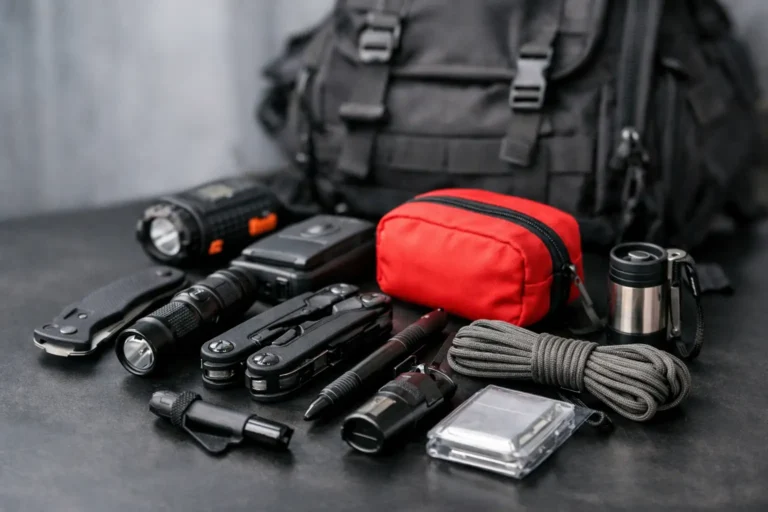
A headlamp is the best place to start because it keeps both hands free. Add a compact flashlight as backup. At home, a lantern or rechargeable area light makes life much easier during longer outages. If you already use battery-powered tools, standardizing battery types can save money and reduce clutter.
Rechargeable gear is convenient, but it creates a dependency on stored power. Disposable batteries are easier to keep staged for long periods. There is no perfect answer. A mix of both usually works best.
First aid: cover the basics, not fantasy medicine
A beginner first-aid kit should handle common injuries first: cuts, blisters, burns, sprains, headaches, and minor bleeding. Build around what you are actually likely to face at home, in the truck, or on the trail.
That means bandages, gauze, tape, antiseptic wipes, gloves, pain relievers, blister care, and any personal medication you need. If you spend time hunting, camping, or working with tools, it also makes sense to add a tourniquet and trauma dressing – but only if you learn when and how to use them.
This is where a lot of kits go wrong. They include twenty tiny items you will never touch and skip the things people use constantly. Buy for function, then train enough to stay calm when you need it.
The tools worth carrying and the ones that can wait
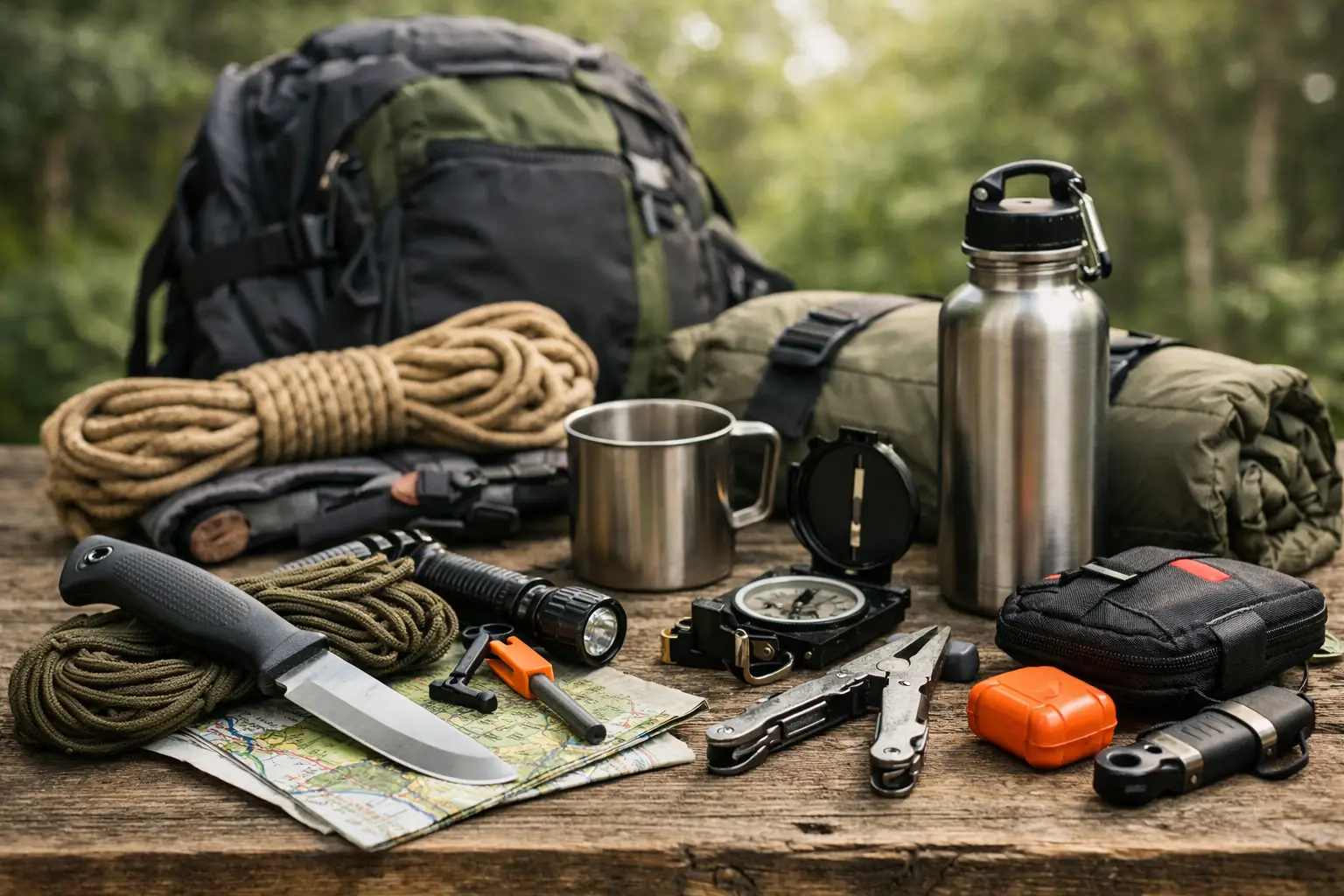
A fixed-blade knife or sturdy folding knife is useful, but it should not eat your whole budget. For beginners, reliability and comfort matter more than looking tactical. You want a knife that cuts cordage, opens packaging, helps with food prep, and handles light camp chores without drama.
A multitool is often even more practical for everyday emergencies. Pliers, screwdrivers, and scissors solve more real-world problems than a giant survival blade. In a car kit or van setup, that kind of versatility is hard to beat.
After that, think in terms of utility. Duct tape, paracord, work gloves, a whistle, and a basic emergency radio all pull their weight. A power bank is a smart add for short-term outages and travel. If your needs lean more off-grid, a larger portable power station can support communications, lights, and small devices for much longer.
The stuff that can wait? Machetes, hatchets, oversized medical kits, complicated water systems, and anything marketed like it belongs in an action movie. Buy those later if your experience or environment actually calls for them.
How to build your beginner kit without wasting money
Start with three layers: home, vehicle, and carry. Your home kit should cover outages and sheltering in place. Your vehicle kit should help if you get stuck, stranded, or delayed. Your everyday carry should be the bare essentials you can keep on you without hating it.
Do not try to build all three at once with top-shelf gear. Buy the essentials first, then upgrade the items you use most. A decent headlamp now is better than waiting six months for the perfect one. The same goes for water filtration, blankets, and first aid.
It also helps to test your setup before you trust it. Use the headlamp at night. Boil water with your backup stove. Set up the tarp in wind and rain. Sleep one night with your emergency bedding in safe conditions. You will learn more from one practical test than from ten product descriptions.
Common mistakes beginners make with a survival gear list
The biggest mistake is buying for image instead of function. The second is ignoring weight and bulk. If your bag is miserable to carry, it will stay in the closet. If your vehicle kit is a disorganized mess, you will waste time when time matters.
Another common problem is forgetting maintenance. Batteries die, water expires, medications age out, and gear gets borrowed and never replaced. Put eyes on your kit a few times a year. Rotate what needs rotating and replace what got used.
If you are buying gear for a spouse, teenager, or parent, keep it dead simple. The best emergency gear is gear people understand and will actually use under pressure. Fancy systems are great until someone else has to figure them out in the dark.
A good beginner kit should make you calmer, not more paranoid. Build it one practical piece at a time, choose gear with a real job to do, and skip the hype. That approach works whether you are prepping for storms, road breakdowns, grid outages, or just the everyday surprises life throws at you.