Everyday Carry Emergency Essentials That Matter
Your phone dies in a parking lot, the card reader is down, and you notice a guy two rows over trying door handles. That is where everyday carry emergency essentials stop being a hobby and start proving their worth. A good EDC setup is not about looking tactical. It is about covering the small failures and ugly surprises that happen in real life.
Most people either carry too little or way too much. They throw a cheap multi-tool in a pocket, call it preparedness, and hope for the best. Or they load themselves down with gear they never use. The right approach sits in the middle – compact, legal, reliable, and easy to carry every day without turning your pockets into a junk drawer.
What everyday carry emergency essentials are really for
Your EDC is not a replacement for a go bag, truck kit, or home emergency stash. It is the gear you have on you when everything else is ten minutes away, locked in your car, or sitting at home. That gap matters more than people think.
The best everyday carry emergency essentials handle the most common problems first. Light. Communication. Minor injury. Cutting tasks. Power loss. Getting stuck somewhere longer than planned. If your setup cannot help with those problems, it is probably built for social media photos instead of actual use.
That also means your carry should match your life. A contractor can justify more tools than an office worker. A van lifer may prioritize power and navigation. An urban commuter may care more about lighting, phone backup, and cash. Same principle, different loadout.
The core everyday carry emergency essentials
If you are building from scratch, start with a tight group of gear that earns its pocket space.
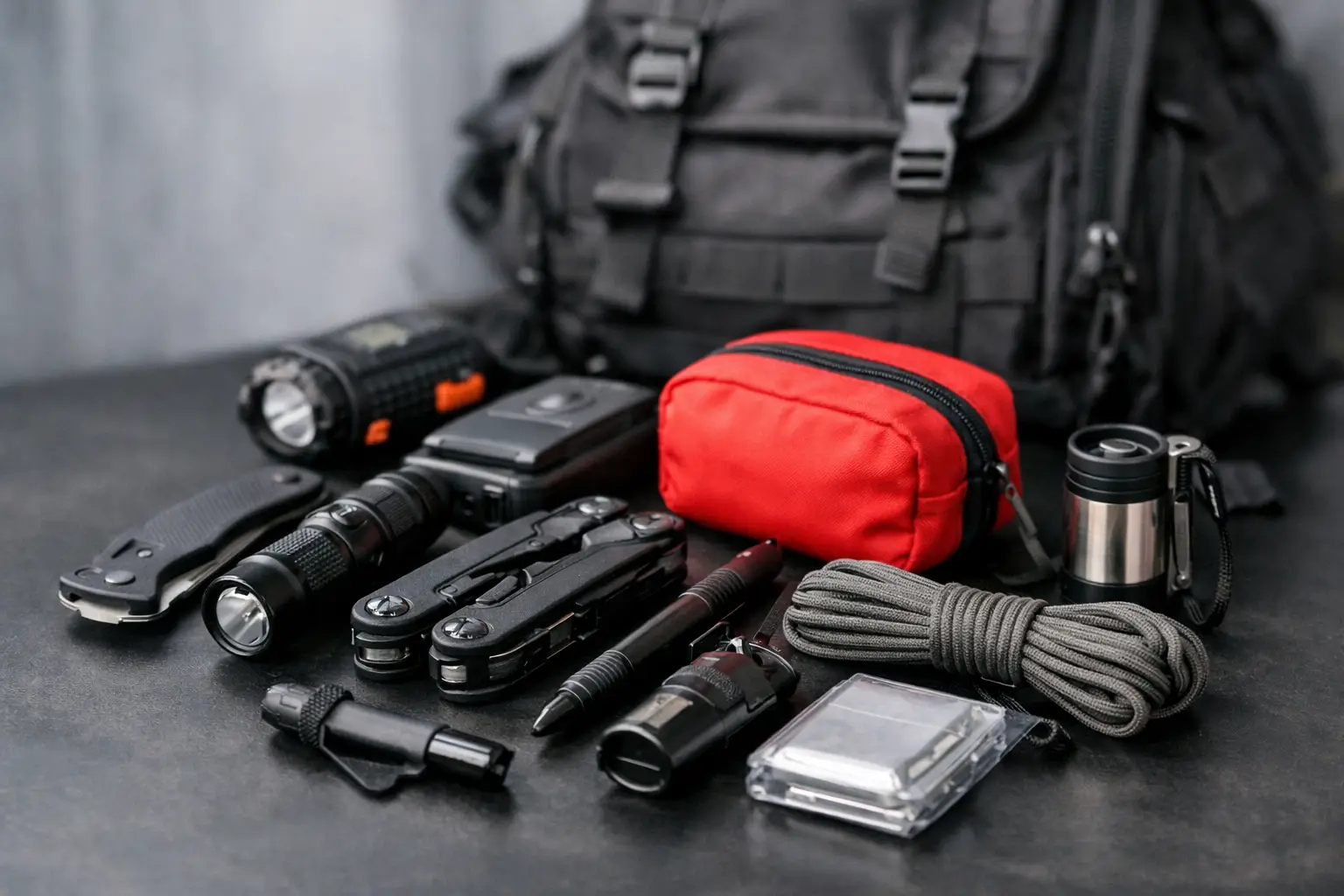
A dependable flashlight belongs at the top of the list. Not your phone flashlight – a real compact light with good runtime and a simple interface. Power outages, dark stairwells, roadside problems, and bad parking lots all change fast when you can actually see. Rechargeable models are convenient, but many people still prefer a light that can run on common batteries or has a dual-fuel option. It depends on whether you value easy charging or easier field replacement.
A folding knife or compact fixed blade is next, assuming local laws allow it. This is not about self-defense posturing. It is about cutting cordage, opening packaging, trimming material, or handling basic field tasks cleanly. Blade steel matters less than people think. Easy sharpening and secure lockup matter more for most users.
A quality multi-tool covers the problems a knife cannot. Pliers, drivers, scissors, and wire cutters solve the everyday stuff that turns into a headache without the right tool. If you work with your hands, this may become the most-used item you carry. The trade-off is weight. Cheap multi-tools usually fail when torque shows up, so this is one place where buying decent gear saves money later.
A lighter is one of the most overlooked essentials. Even if you do not smoke and rarely build fires, a lighter gives you fast flame for emergency heat, cord sealing, stove ignition, candles, and backup utility. It is tiny, cheap, and useful enough that there is no good reason to skip it.
A small medical component matters too. You do not need a full trauma rig in your jeans pocket, but you should have a way to handle cuts, blisters, and minor injuries. A couple of bandages, pain relievers, and perhaps a small packet of antibiotic ointment can solve the kind of problem that gets worse when ignored. If you have room, a compact bleeding-control item in a bag or vehicle makes sense, but pocket carry should stay realistic.
A backup power option has become part of modern preparedness. If your phone handles maps, payment, emergency contacts, and weather alerts, then a dead battery is more than an inconvenience. A slim power bank and charging cable make sense for commuters, travelers, and anyone away from outlets for long stretches. This becomes even more important if you rely on your phone for work or navigation.
Finally, carry some cash. Not a giant roll, just enough to buy gas, water, food, or a ride if card systems go down. Digital payment is great until it is not. A little folded cash solves an old problem that still shows up all the time.
What most people get wrong
The biggest mistake is buying gear before thinking through likely use. A heavy knife, oversized flashlight, and bargain-bin tourniquet may look serious, but if they stay at home because they are annoying to carry, they are useless.
The second mistake is choosing novelty over reliability. Cheap lights flicker. Cheap knives loosen up. Cheap power banks disappoint right when you need them. Real-world carry gear should be boring in the best possible way. It works, it holds up, and you do not have to baby it.
The third mistake is ignoring access. If your flashlight is buried in a backpack under gym clothes, it is not really everyday carry. The gear you need fast should be on-body or in the same spot every single day. Consistency beats a bigger kit you cannot reach.
How to build an EDC setup you will actually carry
Start by splitting your gear into pockets, belt, and bag. Pockets should handle the immediate essentials – light, knife or multi-tool, phone, wallet, lighter, and keys. Belt carry works if your job and clothing support it, but many people prefer not to advertise what they are carrying. That is fine. Low-profile is usually smarter.
Your bag can hold the next layer. This is where you put a power bank, charging cable, a more complete first aid kit, water, snacks, backup batteries, and weather-specific gear. For a lot of people, the smartest setup is a light on-body EDC backed by a small sling, laptop bag, or daypack. That gives you more capability without stuffing your pants pockets like cargo storage.
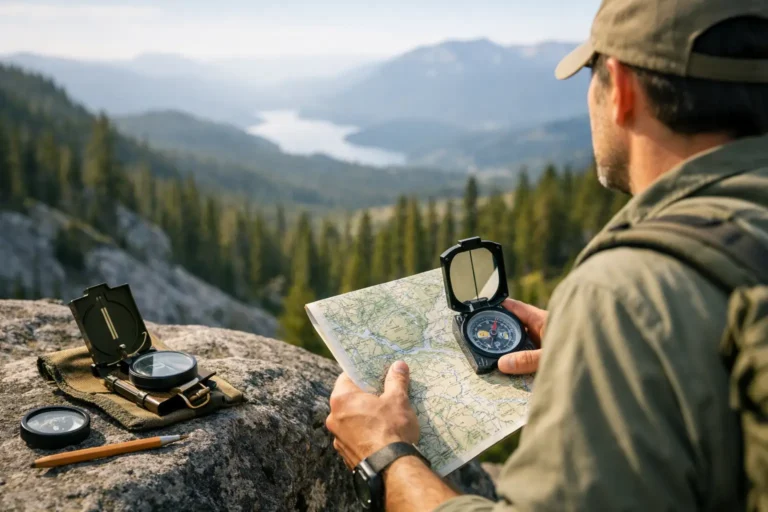
You should also build around your routine. If you spend hours driving, add roadside-focused gear in your vehicle and keep your personal carry streamlined. If you work in buildings with poor lighting or after dark, upgrade your flashlight before anything else. If you spend time off-grid, add navigation and fire-starting redundancy.
Everyday carry emergency essentials for different lifestyles
An office worker usually needs a clean, simple setup. A compact flashlight, slim multi-tool, lighter, cash, and phone battery backup handle most real-world problems without raising eyebrows.
A contractor or tradesman can justify stronger tools and more durable gear. Better pliers, stronger blades, work gloves, and a more capable light make sense because they will actually get used. In this case, durability matters more than compact size.
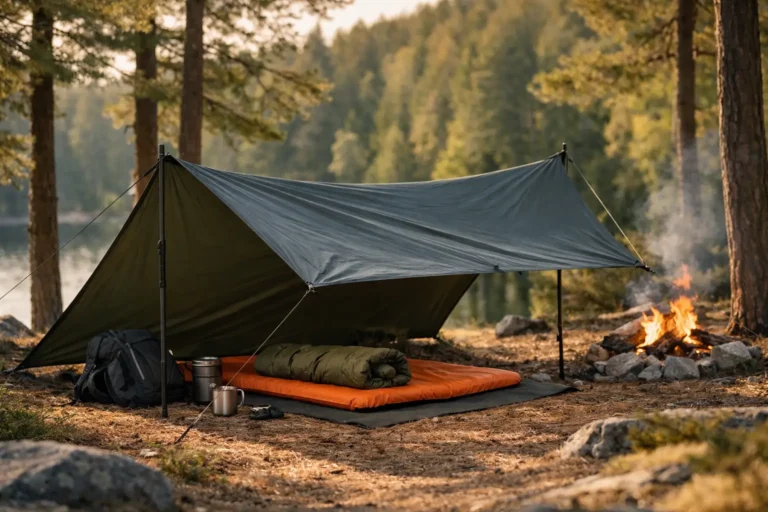
Van lifers and off-grid travelers should think in layers. On-body gear handles immediate problems, while vehicle gear covers water, shelter, power, and more serious medical needs. If mobile power is part of your life, it is smart to think beyond a pocket power bank and into a dependable portable power setup for longer disruptions.
Campers and hunters sit somewhere in the middle. They need gear that works in weather, darkness, and distance from help, but still carries comfortably. A small fixed blade, durable light, and better fire-starting options often beat urban-focused gear choices.
Buy less, buy better
There is no shortage of flashy junk in the EDC market. Ignore the hype. You do not need titanium everything, limited runs, or gimmick tools with twelve functions you will never use. You need gear that survives pocket lint, sweat, drops, rain, and neglect.
That usually means spending a little more on the items that fail hardest when they are cheap: lights, multi-tools, blades, and power banks. If you are building out a broader preparedness system, it also makes sense to pair your carry setup with dependable emergency gear staged in your vehicle, home, or travel kit. Dark Justice Survival has built its reputation on that real-world approach for a reason – preparedness works better when each layer supports the next.
Test your gear before you trust it
Use your flashlight at night. Charge and drain your power bank. Cut with your knife. Open and close your multi-tool. Replace what annoys you, because annoying gear gets left behind.
That is the whole point. Everyday carry emergency essentials should be easy to live with and ready when life gets messy. Build a kit that fits your actual routine, not your fantasy version of it, and you will be more prepared than most people already.
Preparedness does not have to be dramatic. A small amount of good gear, carried consistently, solves a surprising number of bad days.