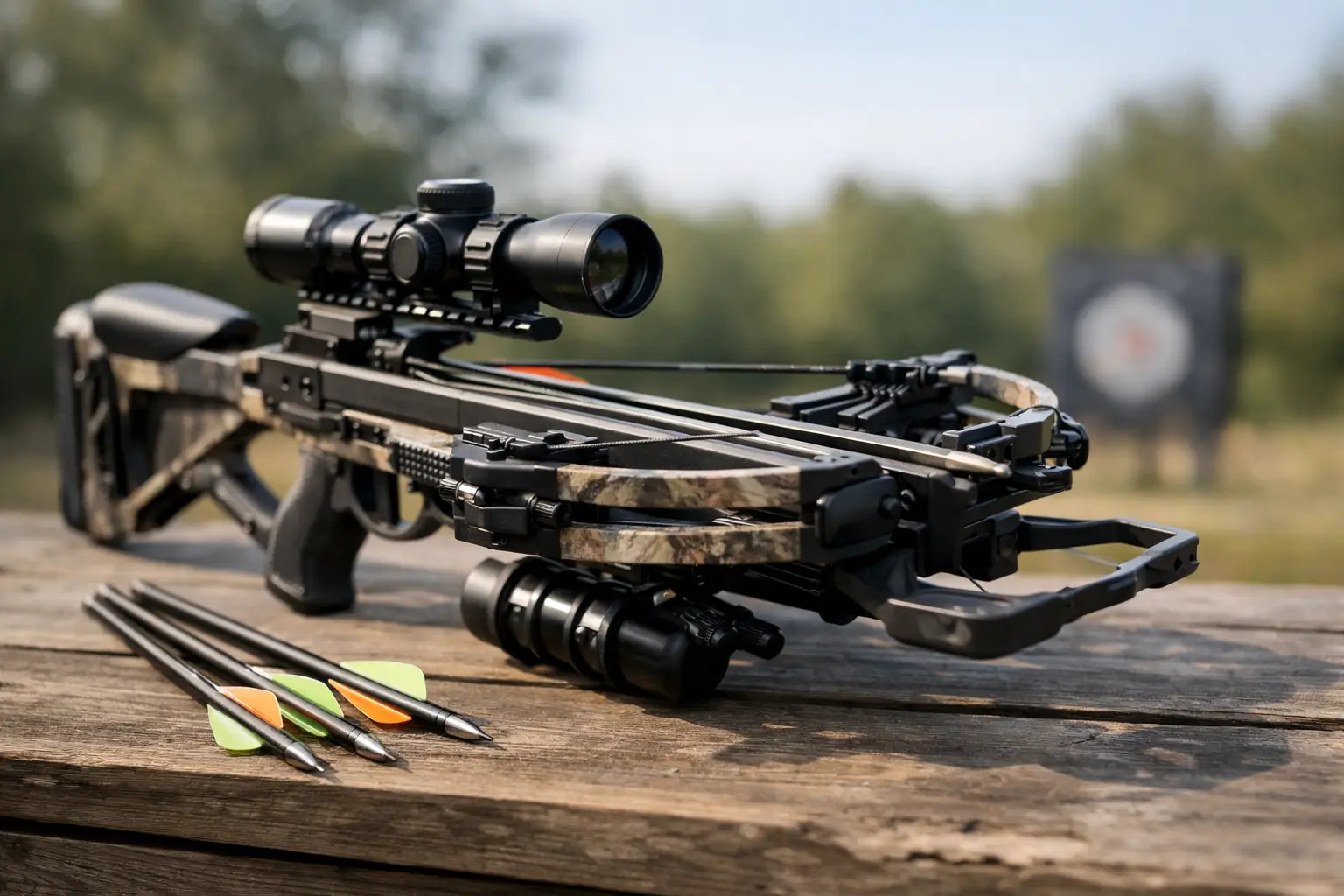
Crossbow Basics That Actually Matter
A crossbow looks simple until you start shopping for one. Then you run into speed ratings, draw weights, axle widths, crank systems, broadhead talk, and enough marketing fluff to waste a weekend. If your goal is practical hunting or serious preparedness, the right move is to strip it down to what matters in the real world.
That starts with one hard truth: the best crossbow is not the fastest one on the page. It is the one you can carry, cock, load, shoot, and maintain safely under field conditions. For some people that means a compact high-performance rig. For others, it means a quieter, easier-to-manage setup that gives up a little speed in exchange for control and reliability.
What a crossbow needs to do well
A good crossbow has one job – put a bolt where you intend, with enough consistency and power for the task at hand. That sounds obvious, but it cuts through a lot of bad buying decisions. A blistering speed number means very little if the bow is front-heavy, hard to cock evenly, or so loud that it makes practice miserable.
For most buyers, four factors matter more than flashy specs. Accuracy comes first, because usable precision beats raw power every time. Cocking system matters next, especially for beginners and anyone who wants repeatable shots without fighting the bow. Size and handling are huge if you hunt from a blind, move through brush, or store gear in a truck or van. Then there is build quality, which becomes obvious fast when a bow starts chewing strings, loosening hardware, or throwing inconsistent shots.
The practical takeaway is simple: buy for your use case, not for bragging rights. A deer hunter in a tree stand, a landowner dealing with nuisance animals, and a preparedness-minded buyer building a dependable gear kit may all end up choosing different setups.
Crossbow types and why the difference matters
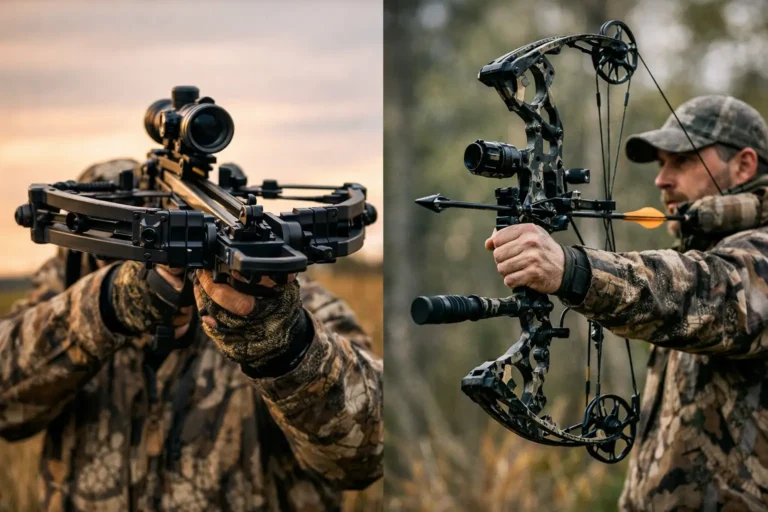
Most buyers end up choosing between recurve and compound designs. Both can work. The right pick depends on how much you value compactness, easy maintenance, and top-end performance.
A recurve crossbow is mechanically simpler. The limbs are easier to understand, fewer moving parts are involved, and field maintenance is generally less intimidating. If you care about straightforward upkeep and want something less complicated to service, recurve designs have real appeal. The trade-off is size. They are often wider, which can be annoying in blinds, tight timber, or cramped storage.
A compound crossbow uses cams and cables to generate more speed in a narrower package. That makes it attractive for hunters who want a compact rig that still hits hard. The trade-off is complexity. More moving parts mean more attention to maintenance, tuning, and wear items. If you shoot often, that matters.
This is why premium brands earn attention. Better engineering usually shows up in tighter tolerances, smoother cocking, better triggers, and less frustration over time. That does not mean you need the most expensive option on the market. It means the bow should feel like a serious tool, not a disposable toy with hunting graphics.
What to look for before you buy a crossbow
Start with fit and handling. Shoulder the bow. Work the safety. Check the grip angle. See how the front end balances. A crossbow can look great on paper and still feel wrong the second you hold it. If it feels awkward now, it will feel worse with gloves on, in the cold, or after a long sit.
Next, pay attention to cocking. This gets overlooked by first-time buyers all the time. If the bow is hard to cock, hard to de-cock, or easy to cock unevenly, your shooting consistency will suffer. A crank system is not just a convenience item. For many people, especially newer shooters, it is the difference between regular practice and a bow that collects dust.
Trigger quality matters more than speed once you get into capable hunting bows. A clean, predictable trigger helps real accuracy. A heavy, mushy trigger makes precise shots harder than they need to be. The same goes for the scope package. Many bundled optics are usable, but some are cheap placeholders. If the included scope is weak in low light or hard to hold zero, it drags down the whole setup.
Then look at the full package, not just the bow body. Bolts, field points, broadhead compatibility, sling options, quiver mounting, and string life all affect ownership. A cheaper package can get expensive fast if you have to replace half the included gear.
Speed, power, and the spec-sheet trap
Crossbow marketing loves feet-per-second numbers because they are easy to advertise. Faster does help flatten trajectory and can improve downrange energy. But speed has side effects. It often brings more noise, more vibration, more wear, and sometimes a harsher shooting experience.
For practical hunting ranges, a well-built bow with solid bolt selection and reliable shot placement is usually the smarter buy than a max-speed setup that is unpleasant to train with. The shooter who practices more almost always gets more value than the shooter who buys the hottest spec and avoids using it.
Bolt weight matters here too. Lighter bolts may produce higher listed speeds, but heavier bolts can improve penetration, quiet the shot somewhat, and sometimes deliver a better all-around hunting result. It depends on the bow and intended game, which is why one-size-fits-all advice is usually garbage.
Safety is not optional with a crossbow
A crossbow is beginner-friendly compared to some vertical bows, but that does not make it forgiving. Finger placement is a real issue. Keep your support hand and thumb well below the rail and string path. Many injuries happen because people get casual.
Dry-firing is another major problem. Firing without a loaded bolt can damage the bow fast and may injure the shooter. Anti-dry-fire systems are worth having, but they are not an excuse to get sloppy. Safe loading habits, regular limb and string checks, and consistent use of the safety should be standard every time.
If you plan to keep a crossbow as part of a broader preparedness setup, storage matters too. Keep it protected from moisture, heat extremes, and careless handling. A crossbow is not a magic emergency solution if the string is frayed, the scope lost zero, and the bolts are bent when you finally need it.
Who should buy a crossbow and who should not
A crossbow makes sense for hunters who want a shorter learning curve than traditional archery, for shooters with shoulder limitations, and for preparedness-minded people who want a compact hunting-capable tool that does not rely on ammunition in the same way a firearm does. It also fits well for beginners who are willing to train but do not want to spend a year building vertical-bow form before becoming effective.
It may be a poor fit if you hate maintenance, never practice, or expect it to be silent and effortless. It is also not the right answer for every state, every season, or every hunting regulation. You need to check the laws where you live and hunt. No exceptions.
That legal piece matters more than people admit. Crossbow access, season rules, transport requirements, and broadhead regulations vary. A bow that is perfectly useful on your property may not be legal in a nearby hunting zone. Real survival info means dealing with reality, and the law is part of that reality.
The smartest way to shop for a crossbow
Start with budget, but do not stop there. Think in terms of total ownership cost. The bow, bolts, broadheads, target, cocking aid, case, maintenance items, and possible optic upgrade all count. A “deal” is not a deal if it leaves you with weak accessories and extra replacement costs.
Then match the bow to your actual use. If you want a compact premium hunting setup, look closely at proven platforms with strong reputations for accuracy and handling. If you care most about maintainability and mechanical simplicity, recurve options deserve a harder look than they usually get. If you are buying for a truck kit, cabin, or off-grid property, think about storage footprint and ease of upkeep, not just headline speed.
This is also where brand-specific review pages matter. A serious buyer should compare trigger feel, width, weight, cocking method, noise, included accessories, and long-term reliability side by side. That is the difference between buying gear and buying marketing.
At Dark Justice Survival, that is the standard we care about – real gear, real use, no hype. A crossbow should earn its place in your loadout by being dependable when the shot matters, not by looking impressive in a product photo.
If you are shopping right now, narrow your choices to two or three models that fit your budget and your use case, then compare the whole package with a cold eye. The right crossbow is the one you will trust enough to practice with, maintain properly, and use confidently when it counts.