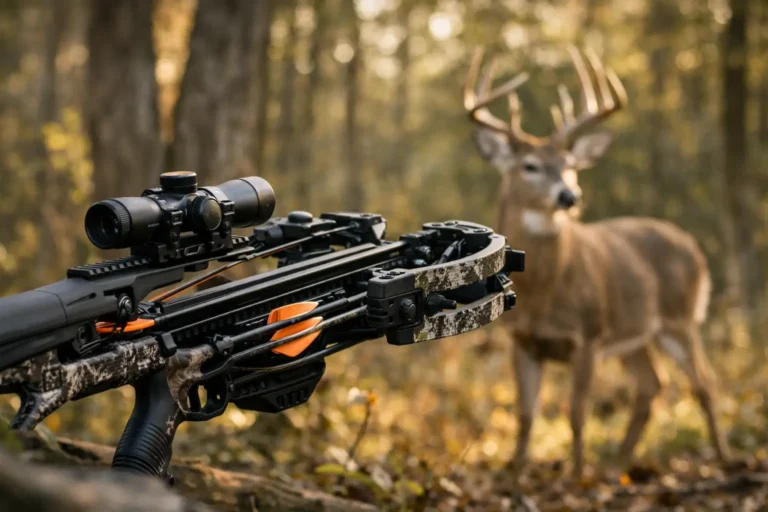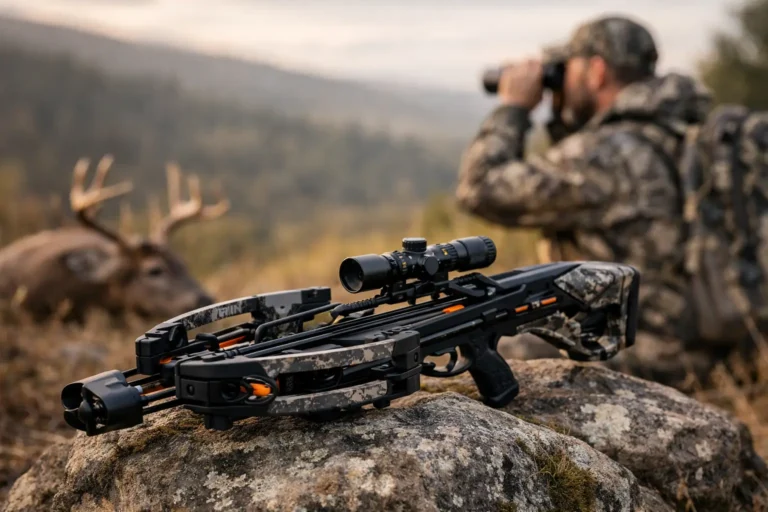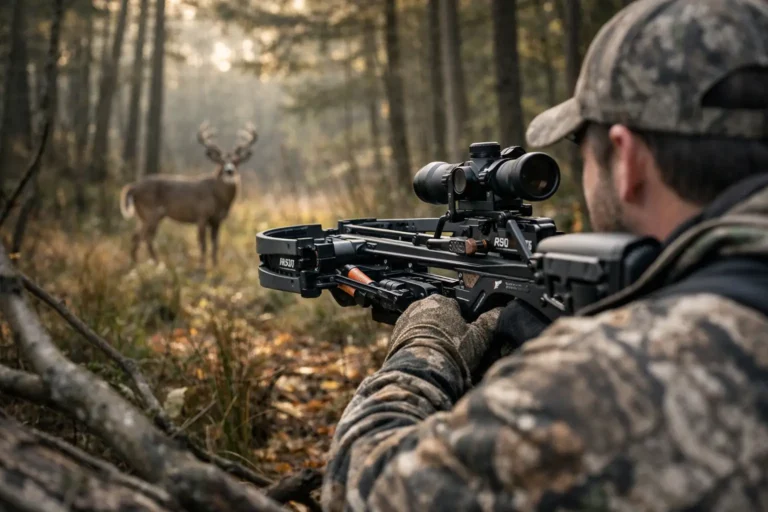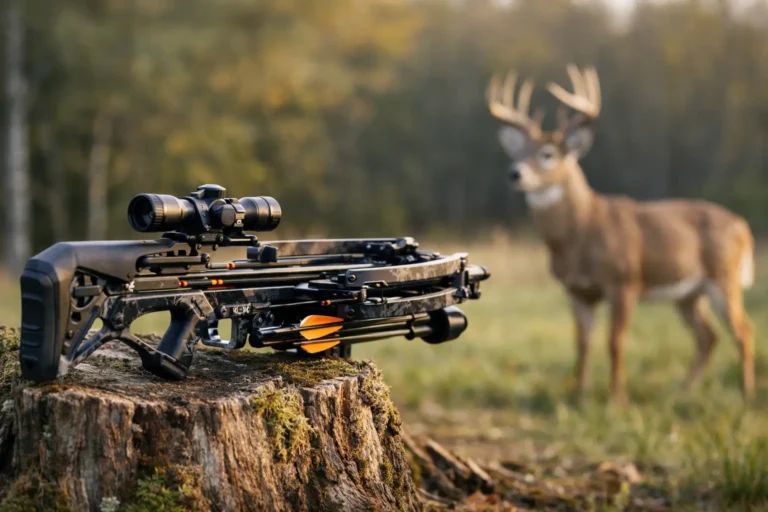
How to Choose Ravin Broadheads for Your Hunt
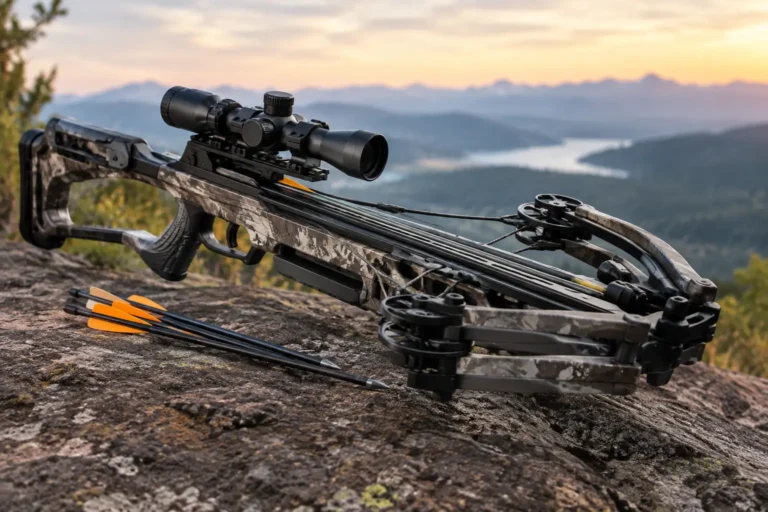
A Ravin crossbow can put an arrow on target with serious speed. That does not mean every broadhead setup will shoot the same, fly the same, or perform the same on a deer. Knowing how to choose Ravin broadheads comes down to matching the head to your Ravin arrow system, your intended game, and the distances you can honestly shoot under hunting pressure.
Disclosure: Dark Justice Survival is a Ravin Crossbows affiliate. Purchases made through links on this page may earn us a commission at no cost to you.
Shop on Ravin:
See Ravin broadheads and current prices on RavinCrossbows.com →
The wrong approach is grabbing a broadhead because the package says “crossbow rated” and hoping it works. The practical approach is simpler: start with Ravin-compatible components, verify total arrow weight, and prove the setup at the range before opening day. Real hunting gear does not get graded on the package. It gets graded at the moment of impact.
Start With Your Ravin Crossbow and Arrow Setup
Ravin crossbows are engineered as complete systems. That matters more with fast models such as the R500 series, but it applies to every Ravin platform, including the R10, R29X, and R50. Arrow weight, nock design, shaft construction, and broadhead weight all affect safety, downrange accuracy, and how the bow handles the shot.
Before buying broadheads, find the approved arrow specification for your exact Ravin model. Do not assume that an arrow setup used in a different crossbow is safe for yours. Ravin arrows are built in different total weights, and a broadhead change can alter the finished arrow weight enough to affect performance.
A good rule is to keep your broadhead weight consistent with the field points you use for practice. If you practice with 100-grain field points, start with 100-grain Ravin broadheads. That keeps your point-of-impact comparison honest and prevents you from changing more than one variable at a time.
Check each finished hunting arrow on a grain scale if you have one. You are looking for consistency across the set, not obsessive perfection. A few grains of variation may not matter at close range, but wide variation can show up as vertical or inconsistent groups when you stretch the distance.
How to Choose Ravin Broadheads by Game
For most whitetail hunters, the best Ravin broadhead is usually the one that gives dependable flight, a cutting diameter appropriate for deer, and enough structural strength for the shots you actually take. Deer are not bulletproof, but they deserve a setup that penetrates cleanly and leaves a useful blood trail.
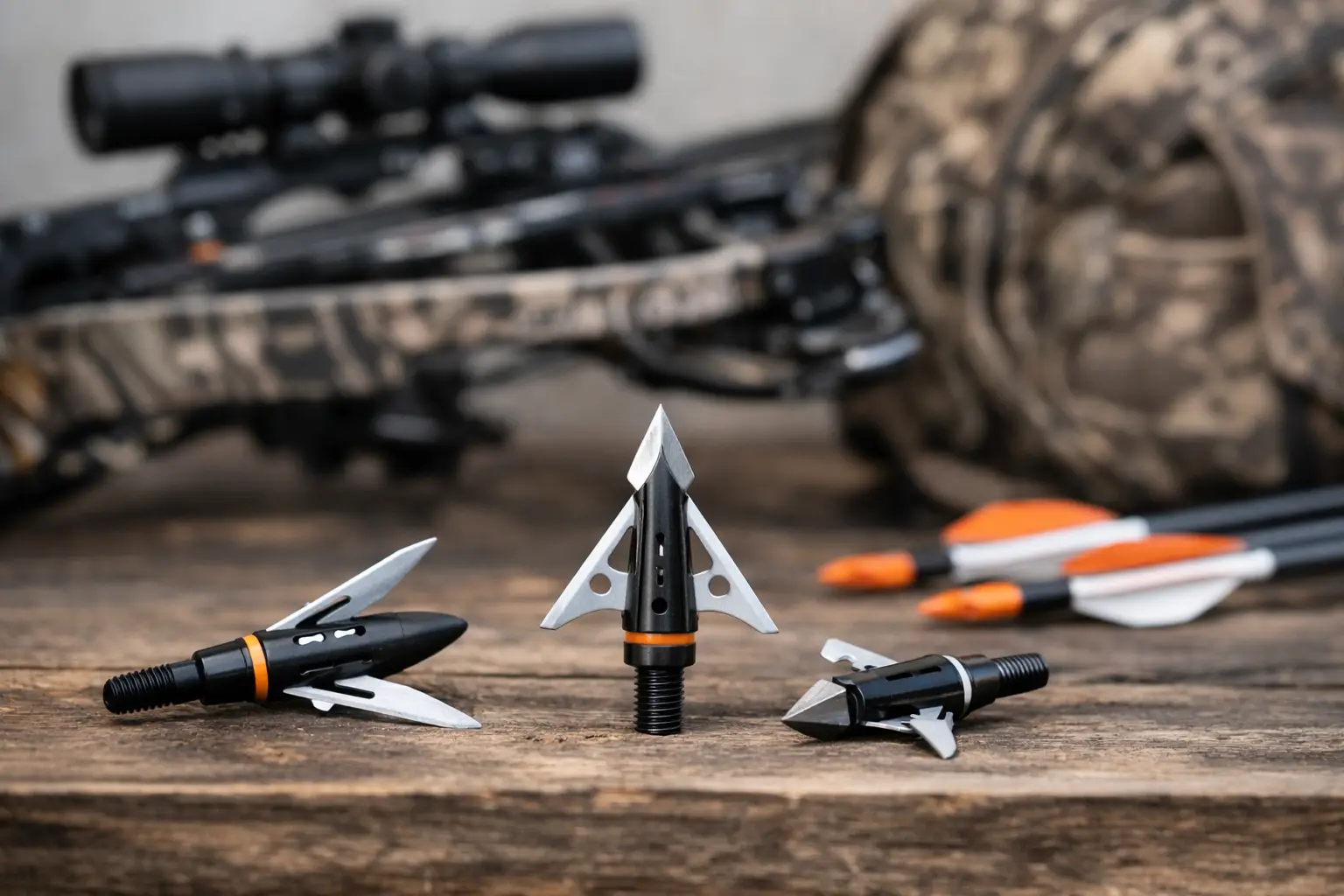
Ravin mechanical broadheads are a practical fit for many deer hunters because they are designed to fly similarly to field points when tuned correctly. Their blades deploy on impact to create a wider wound channel than many fixed-blade heads. That can be helpful on broadside or slightly quartering-away deer, especially when you place the shot through the heart-lung area.
The trade-off is straightforward. Mechanical heads have moving parts, and they depend on proper deployment. Inspect them carefully before every hunt. Make sure blades are secure, retention components are intact, and the head is not bent or damaged from repeated practice. A broadhead that has hit foam targets, dirt, or a hard target frame is not automatically ready for a second chance in the woods.
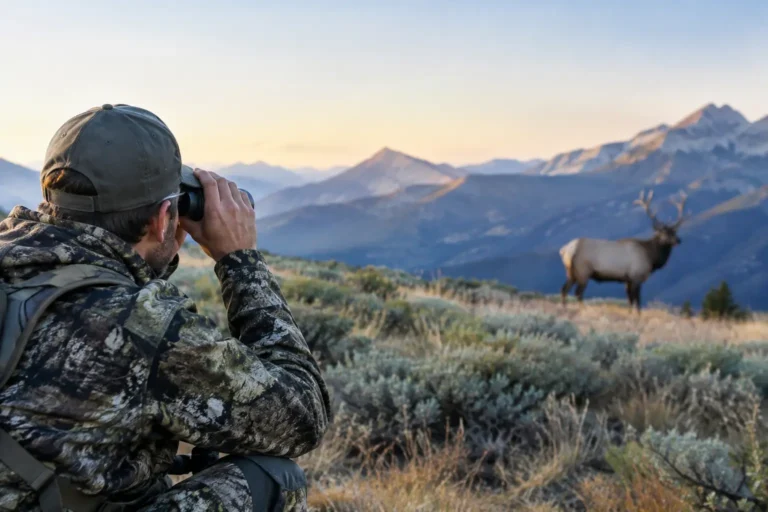
For larger-bodied game or tougher shot angles, penetration becomes the priority. A heavier finished arrow and a durable broadhead can carry more momentum, but that does not make poor shot placement acceptable. If you hunt elk with a Ravin, keep your shots conservative, use the arrow weight approved for your bow, and favor broadside or mild quartering-away angles. A broadhead is not a license to force a shot through heavy shoulder bone.
Match Broadhead Style to Your Realistic Range
Your maximum range at the target is not always your maximum range on a live animal. A fast Ravin makes 50 or 60 yards possible in the right hands, but broadhead accuracy has to be confirmed at every distance you plan to hunt.
For hunters who keep shots inside 30 or 40 yards, broadhead selection is usually less complicated. A properly matched Ravin broadhead should group close to field points if the crossbow is in good shape and the arrows are consistent. At longer distances, small issues become obvious. A slightly loose scope mount, worn string and cables, damaged vane, or inconsistent arrow can move impact enough to turn a clean shot into a bad day.
Do not assume broadheads will hit with field points because the manufacturer says they are accurate. Shoot them. Start at 20 yards, then move back in 10-yard steps. Use a dedicated broadhead target that will not destroy blades. Shoot one broadhead-tipped arrow at a time into a fresh section of the target so you do not damage expensive heads by stacking arrows.
If broadheads group consistently but hit a little away from your field points, make a decision based on your hunting setup. You can make a small scope adjustment and practice with broadheads, or reserve a separate set of hunting arrows that are matched closely enough to your practice arrows. What you should not do is ignore a repeatable difference and hope it disappears when a buck steps out.
Choose Titanium or Steel Based on Use, Not Hype
Ravin broadhead options can include titanium and steel construction. Neither material is automatically the right answer for every hunter.
Titanium broadheads are a strong choice for hunters who want a purpose-built Ravin option with precise construction and reliable compatibility with their arrow setup. They make sense for the hunter who wants to buy a quality set, tune it, and keep the system simple.
Steel broadheads are often the practical choice when durability and value matter most. They can be a smart option for hunters who want spare heads for camp, want to practice enough to confirm flight, or simply prefer a tougher-feeling head without paying for premium material.
Material is only one part of the decision. Blade sharpness, blade condition, deployment reliability, and compatibility matter more than a label on the package. A sharp, undamaged steel broadhead that shoots exactly where it should is better hunting gear than a premium head you never verified.
Inspect the Details Before You Hunt
A broadhead inspection takes less than a minute and can save a hunt. Check the ferrule for bends, blade edges for nicks, and moving parts for debris. Spin the broadhead-installed arrow on an arrow spinner or a flat, smooth surface if possible. A visible wobble can point to a bent head, damaged insert, or shaft issue.
Also inspect the entire Ravin arrow. Look for cracks, splinters, loose vanes, damaged nocks, and any impact marks around the insert. Never shoot an arrow you suspect is compromised. High-speed crossbows put real stress on every component, and a damaged arrow is not worth the risk.
Broadheads should be transported with blade protection. Do not toss assembled hunting arrows loosely into a truck bed or pack. A broadhead can be dulled, bent, or deployed by careless handling long before it reaches the woods.
Build a Simple Ravin Broadhead Test Plan
The fastest way to choose is to test one or two Ravin broadhead options instead of buying several packs and guessing. Use the same model of Ravin arrows you will hunt with, the same broadhead weight as your field points, and a target made for broadhead use.
First, confirm your crossbow is sighted in with field points. Next, shoot broadheads at 20, 30, and 40 yards, or only as far as you can hold dependable hunting groups. Record where they hit and pay attention to group size, not just one good arrow. Then inspect the head after every shot.
If one broadhead model flies consistently, remains intact, and suits your game and normal shot distance, stop shopping. More options do not create more confidence. Proven gear does.
For a Ravin R10 or R29X hunter, a straightforward deer setup with matched Ravin arrows and tested broadheads is usually all you need. For R50 and R500-series owners, the same process matters even more because speed magnifies small setup errors. Compare the broadhead and arrow requirements against your exact Ravin model before ordering, then buy enough heads to practice and still carry fresh, hunt-ready blades.
A clean kill starts before the season, on a calm range day when you have time to test every arrow. Pick the Ravin broadhead that matches your setup, proves its accuracy, and gives you zero surprises when the shot matters.