Best Emergency Radio for Power Outages
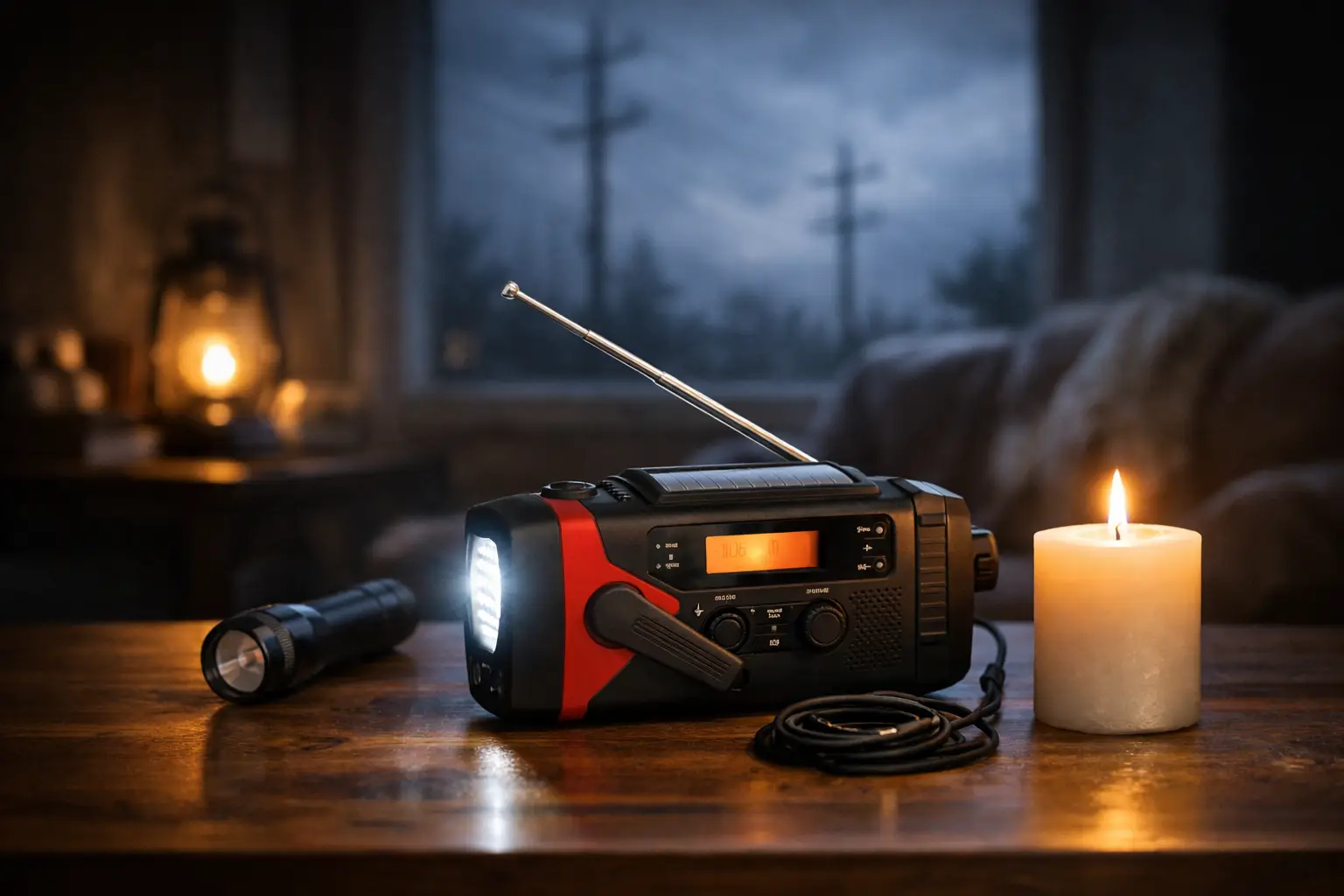
The power goes out at 2 a.m., your phone is already below 20%, and the cell network starts getting flaky. That is when the best emergency radio for power outages stops being a nice extra and starts being one of the few tools in your house that still gives you usable information. If you want one radio that actually earns its spot in your kit, skip the gimmicks and focus on the features that matter when the lights stay off longer than expected.
Most people buy the wrong emergency radio for one reason – they shop for a long feature list instead of real-world performance. A cheap unit with ten charging methods and a weak tuner is still a bad radio. A model with a hand crank, flashlight, NOAA alerts, and a decent battery can be a smart buy, but only if those features work reliably under stress.
What makes the best emergency radio for power outages?
For home blackout use, the job is simple. You need a radio that can pull in NOAA weather alerts and local AM or FM stations, run for a long time without wall power, and give you at least one backup charging method. Everything else is secondary.
Reception comes first. If a radio cannot clearly pull in local stations during bad weather or after grid failure, it has failed the main test. NOAA weather band matters because it gives you direct access to official weather and hazard broadcasts, but AM and FM matter too. Local radio stations often carry road closures, shelter updates, boil notices, and county-level emergency info that weather-only radios miss.
Battery setup matters just as much. Built-in rechargeable batteries are convenient, but they are not always ideal for long outages. Radios that also accept replaceable batteries give you a stronger backup plan. If you live in a storm-prone area, that flexibility is worth paying for.
Then there is charging. USB charging is standard and useful. Solar charging is better treated as a slow backup than a primary method. Hand cranks are good for emergency top-offs, not for daily use. Marketing makes hand-crank power sound heroic. In real life, a few minutes of cranking usually gets you a few minutes of radio or flashlight use. That can still save your skin, but it is not magic.
The emergency radio features worth paying for
A good emergency radio should have NOAA weather alerts, AM and FM reception, a rechargeable battery, and either hand-crank or solar backup. If it includes USB output for topping off a phone, that is a bonus, but keep your expectations in check. Most compact radios will not fully charge a modern smartphone more than once, and some will barely make a dent.
Build quality is another filter. During a power outage, this radio may get tossed in a go-bag, used in the dark, handled with wet hands, or left on a kitchen counter for months between uses. You want buttons that feel solid, a tuning system that is easy to use, and a body that does not feel like it will crack if it gets dropped once.
Flashlights and reading lamps are useful add-ons, especially for apartments, campers, and van life setups. But they should never be the reason you buy the radio. The radio function comes first. Same with SOS alarms, Bluetooth, and other extras. Nice if they work, irrelevant if the reception is weak.
NOAA alerts are not optional in storm country
If you live where hurricanes, tornadoes, wildfires, or ice storms are real threats, NOAA alert capability should be near the top of your list. An alert radio can wake up and broadcast warnings automatically, even if you are asleep or not actively listening. That is a real advantage over relying only on your phone, especially when towers are overloaded or your battery is fading.
Battery flexibility beats fancy extras
A radio with an internal battery and support for AA or AAA batteries often gives you the best mix of convenience and backup security. Built-in packs are fine for short outages. Replaceable batteries are what keep gear useful when the outage turns into a multi-day problem.
Best emergency radio for power outages by use case
There is no perfect radio for everyone. The best pick depends on where you live and how you plan to use it.
For most households, a compact NOAA emergency radio with USB charging, hand crank backup, and solid AM/FM reception is the sweet spot. It is small enough to store in a kitchen drawer or emergency bin, simple enough for anyone in the house to use, and capable enough for storm outages and short grid failures.
For apartments and urban homes, size and simplicity matter more than extreme ruggedness. You want clear reception, alert functions, and enough battery life to run overnight. A radio that can also top off your phone and provide a small reading light is useful here because space is limited and every tool needs to do more than one job.
For off-grid cabins, rural homes, and van life, step up to a tougher unit with stronger battery options and dependable tuning controls. Rural reception can be harder, so antenna quality and tuner performance matter more. In that case, slightly larger radios often outperform tiny pocket models.
For bug-out bags and vehicle kits, weight matters. A smaller hand-crank emergency radio makes sense, but only if it still offers decent reception. Tiny novelty radios are easy to pack and easy to regret. If you are buying for a truck, overland rig, or van, a larger rechargeable radio with better battery capacity may be the smarter move.
What to avoid when shopping
The biggest red flag is feature overload at bargain-basement quality. If the listing sounds like it is trying to sell a flashlight, a power bank, a siren, a Bluetooth speaker, a lantern, and a weather station all at once, the radio itself is often mediocre. You are buying an information tool first.
Be skeptical of exaggerated solar claims. Small solar panels on emergency radios are useful for trickle charging in good sunlight, not fast charging during a storm. The same goes for hand-crank claims. These are backup systems, not your main power plan.
Also avoid radios with confusing controls. Under stress, simple wins. You should be able to turn it on, find NOAA or local stations, check battery status, and use the light without digging through a manual.
How to choose the right model before you buy
Start with your most likely outage scenario. If you mostly deal with thunderstorms and occasional short blackouts, a compact rechargeable NOAA radio is enough. If you live in hurricane country, snow country, or wildfire zones where outages can stretch for days, prioritize battery flexibility and stronger reception.
Next, think about who will use it. If this radio is for the whole household, choose a model with straightforward controls and clearly labeled bands. If it is for your go-bag or truck kit, portability may matter more than comfort.
Finally, match the radio to the rest of your power setup. If you already have a larger backup power source, your radio does not need to act like a serious power bank. If you do not, then a model with USB output becomes more valuable. That is where a practical setup makes more sense than chasing one do-everything gadget. A radio paired with a real backup battery gives you a much stronger blackout plan than expecting a tiny crank radio to carry the whole load.
A smarter buying plan than chasing hype
If you are serious about preparedness, buy the radio for information and buy your backup power separately. That one decision cuts through a lot of bad marketing. The best emergency radio for power outages is usually the one that handles alerts, reception, and backup charging without trying to be the hero of your entire energy plan.
That is also why product comparisons matter more than generic advice. Specs on paper do not tell you how well a tuner locks onto stations, how durable the crank feels, or whether the controls are usable in the dark. Real-world breakdowns help you avoid junk and spend your money once.
If you are narrowing down options, focus on radios built for emergency use from brands with a track record in preparedness gear, then compare them based on reception, battery type, alert reliability, and ease of use. That approach is a lot more useful than sorting by bestseller status and hoping for the best.
A blackout is a bad time to learn your gear is all packaging and no performance. Buy the radio you can trust half-asleep, in the dark, with the weather getting worse.