What Should Be in a Hurricane Go-Bag for a Family of Four
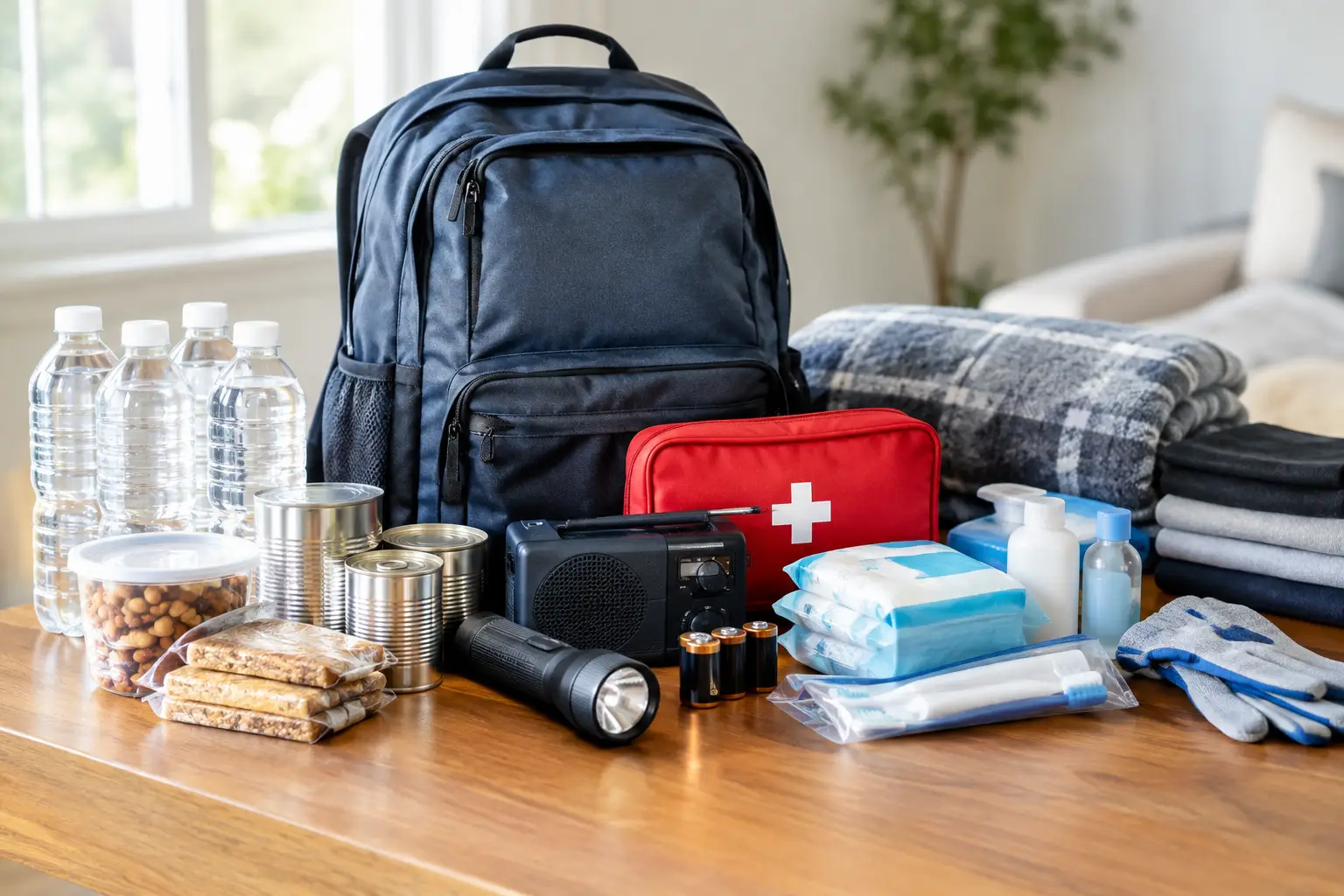
When the evacuation order shifts from “watch closely” to “leave now,” you do not have time to shop, sort paperwork, or argue over which charger belongs to whom. That is the real answer to what should be in a hurricane go-bag for a family of four: enough practical gear to get four people through the first 72 hours away from home without turning departure into chaos.
A good hurricane go-bag is not a giant camping pack stuffed with random gear. It is a portable, organized evacuation kit built around water, medication, identification, communication, clothing, and the things that keep kids calm and safe. Real survival info. Real gear. No BS.
Start With the Reality: Four People Means Weight
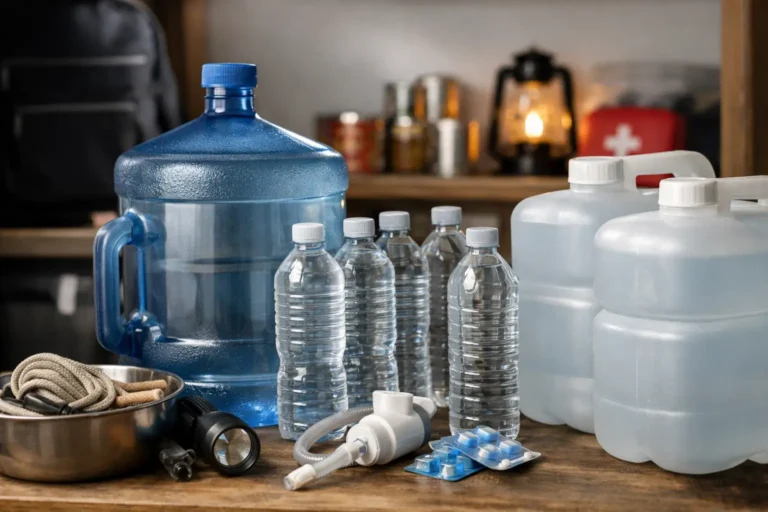
The standard emergency target is one gallon of water per person per day. For four people over three days, that is 12 gallons, or roughly 100 pounds of water. You are not carrying that in backpacks while loading kids, pets, and a vehicle in driving rain.
Plan in layers instead. Keep the full water supply at home if you are sheltering in place, and store additional water in the vehicle when a storm is approaching. Each person’s bag should hold a refillable water bottle and enough sealed water to get through the first stretch of evacuation. Add a compact water treatment option as backup, but do not use it as an excuse to under-pack water.
For most families, two adult backpacks plus one weatherproof vehicle tote work better than one oversized bag. Give children small bags only if they are old enough to carry them comfortably. Their bags should hold comfort items, not critical survival supplies.
Water, Food, and Basic Kitchen Gear
Food needs to be ready to eat, familiar, and realistic for your family. A hurricane evacuation can mean hours in traffic, a crowded shelter, or a motel with no open restaurants. Skip anything that requires a stove, a can opener you might lose, or a cleanup process you will hate at 2 a.m.
Pack at least three days of shelf-stable food for each person. Choose items your family already eats: protein bars, nut butter packets, crackers, dried fruit, jerky, tuna or chicken pouches, and kid-friendly snack packs. If anyone has food allergies, pack safe alternatives separately and label them clearly.
Your food section should also include:
- Refillable bottles and sealed drinking water
- Disposable cups, plates, and utensils
- A manual can opener if you pack canned food
- Baby formula, bottles, or age-appropriate food if needed
- Pet food and a collapsible bowl if a pet is evacuating with you
Do not build the food plan around caffeine, alcohol, or highly salty snacks. They do not replace hydration, and they can make an already stressful travel day worse.
Medical Supplies Cannot Be an Afterthought
Prescription medication is one of the first things families forget because it lives in a bathroom cabinet or bedside drawer. Keep a written medication list in the go-bag with names, dosages, prescribing doctors, pharmacy information, allergies, and basic medical conditions. Include copies in paper form. A dead phone should not erase your family’s medical history.
Pack at least a week of required prescriptions when possible, along with a basic first-aid kit. Include bandages, gauze, antiseptic wipes, medical tape, tweezers, pain relievers suitable for adults and children, allergy medicine, anti-diarrheal medication for adults, and any necessary inhalers or EpiPens.
If someone uses glasses, hearing aids, mobility equipment, CPAP equipment, or diabetes supplies, those items move ahead of convenience gear. Pack spare batteries and charging cables where applicable. The right amount depends on your family, but the rule is simple: health gear is not optional weight.
Documents, Cash, and a Way to Reach People
A hurricane can damage homes, close banks, disable card readers, and separate family members during evacuation. Put critical documents in a waterproof pouch or resealable bag inside your main pack. Do not rely only on photos stored in the cloud.
Bring copies of driver’s licenses, passports, insurance cards, vehicle registration, proof of address, medical records, and emergency contacts. Include a written family communication plan with an out-of-state contact person. Local networks can be overloaded, while a single text to one designated person may get through.
Keep small bills in cash. You do not need to carry a thick stack, but enough cash for fuel, food, a motel deposit, or basic supplies can matter when payment systems are down. Put one spare key for the house and vehicle in a secure location within the bag.
Power, Light, and Weather Information
Every adult should have a charged phone, charging cable, and a power bank. Charge power banks before the storm, not after the lights flicker. A vehicle charger is useful, but it should be backup power, not the whole plan.
Pack at least two flashlights or headlamps, extra batteries, and a battery-powered or hand-crank weather radio. Headlamps are especially useful because they keep both hands free when loading a car, helping a child, or dealing with a flat tire in the dark.
Avoid relying on candles. In a home full of stressed people, wind, and possible fuel leaks, open flame is a bad trade. Use battery lighting instead.
Clothing and Shelter Items That Earn Their Space
Pack one change of weather-appropriate clothing per person, plus extra socks and underwear. Hurricanes are wet events, but air-conditioned shelters and cars can get cold, especially for young children. A lightweight rain jacket, poncho, or compact waterproof layer belongs in every adult bag.
Add sturdy closed-toe shoes if family members usually wear sandals or slip-ons. Floodwater can hide broken glass, nails, and debris. Include work gloves, a compact emergency blanket for each person, and a small towel or microfiber cloth.
Do not pack your closet. Choose clothing that dries quickly, layers easily, and works for travel, shelter stays, and cleanup. One practical outfit beats five bulky ones.
Make Room for Kids Without Losing the Essentials
For a family of four, the emotional side of evacuation matters. A scared child who has not eaten, slept, or found a familiar object can make every decision harder. Pack one comfort item per child, such as a small stuffed animal, book, card game, headphones, or downloaded entertainment on a charged device.
Add wipes, hand sanitizer, tissues, diapers or pull-ups if needed, and a few trash bags. Trash bags are simple but useful for wet clothes, cleanup, protecting gear, and makeshift rain coverage. Keep a small notebook and marker in the bag too. They are useful for leaving notes, writing phone numbers, and keeping kids occupied.
What Not to Put in the Bag
A go-bag is not a place for bulky gear with no likely use, expensive valuables you cannot secure, or items that create safety problems in an evacuation vehicle. Keep hunting gear separate from emergency essentials. A Ravin crossbow, for example, should remain unloaded and secured in its proper case unless you have a lawful, specific reason to transport it. It does not take priority over water, medication, documents, or space for your family.
Skip large tools, excessive ammunition, heavy cookware, and novelty “survival” gear that has never been tested by your family. If you do not know how to use it under pressure, it is probably just extra weight.
Pack It, Label It, and Recheck It
The bag only works if it is actually ready. Store it near an exit or in a known closet, not scattered across the garage. Label medication, document pouches, and each person’s clothing bag. Put a printed checklist on top so another adult can confirm the essentials before leaving.
Check the go-bag at the start of hurricane season and again when a storm enters the forecast. Replace expired food, rotate water, update documents, recharge power banks, and adjust sizes for growing kids. If your family has a pet, a new prescription, or a new medical need, update the bag immediately.
The best hurricane go-bag is the one your family can grab without thinking. Build it before the forecast gets serious, keep it light enough to move, and make every item earn its place.