
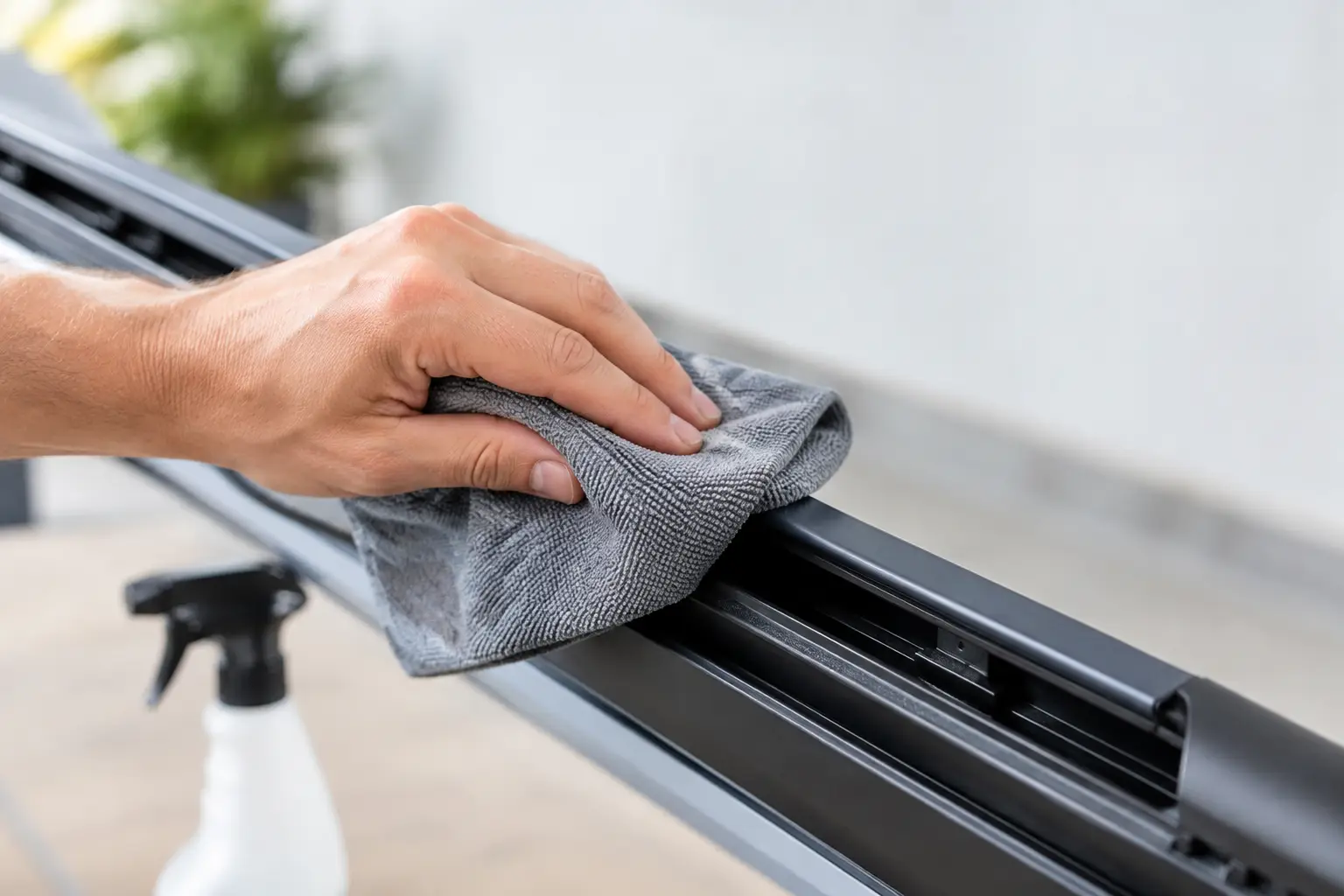
How to Clean Ravin Rail Without Damaging It
A dirty rail is not a cosmetic problem. Grit, dried lubricant, and moisture can increase friction where your Ravin bolt rides, affect consistency, and wear parts faster than they should. Knowing how to clean Ravin rail surfaces the right way is basic ownership work, whether you carry an R10 into the deer woods or shoot an R29X, R50, or R500 regularly at the range.
This is not complicated, but it does require restraint. The goal is to remove contamination and use the correct amount of Ravin-approved lubrication. More oil, stronger solvent, or aggressive scrubbing does not mean better maintenance. It usually means a mess that collects more dirt.
Start Safe: Unload the Crossbow First
Before cleaning anything around the rail, make the crossbow safe. Remove the bolt, make certain the crossbow is not cocked, and keep the muzzle in a safe direction throughout the process. Never attempt to clean a rail while a Ravin is cocked or while a bolt is loaded.
If your crossbow is cocked, follow the uncocking procedure in the manual for your specific Ravin model. Do not dry fire it to get the job done. A dry fire can damage a crossbow and can create a dangerous situation for anyone nearby. If you are unsure how your model should be uncocked, stop there and check its manual before doing maintenance.
Lay the crossbow on a clean bench or stable table with good lighting. A towel under the bow helps keep small debris from getting into the trigger area and protects the finish from a rough work surface.
What You Need to Clean a Ravin Rail
You do not need a pile of specialty products. Use a clean microfiber cloth, cotton swabs, a soft nylon brush if debris is stubborn, and the lubricant recommended by Ravin for your model. Keep a second dry cloth nearby for wiping away excess product.
Avoid steel brushes, abrasive pads, sandpaper, and harsh petroleum-based cleaners unless Ravin specifically approves them for the component you are cleaning. Those products can damage finishes, leave residue, or get into places where you do not want them, including the trigger housing and string area.
A little common sense matters here. If you would not want the product near a string, cable serving, scope lens, or trigger mechanism, do not spray it broadly across the crossbow. Apply cleaners and lubricants to the cloth or swab first, not directly onto the rail.
How to Clean Ravin Rail Surfaces Step by Step
Begin by looking down the rail and bolt path under bright light. You are looking for dust, bits of leaves, pine needles, dried mud, old lube, and any visible residue. Also check the edges and grooves where grime tends to hide after a wet hunt or a dusty range session.
Use a dry microfiber cloth to wipe the rail from the rear toward the front. This removes loose material without smearing it around. Fold the cloth to a clean section as it picks up dirt. If the rail is only lightly dusty, this may be all the cleaning it needs before lubrication.
For old lubricant or stubborn residue, dampen a corner of the cloth very lightly with a manufacturer-approved cleaning product. Wipe the affected area with controlled passes. Do not soak the rail, and do not let liquid run into the trigger system or other internal areas.
Use a cotton swab for tight spots, changing swabs as they get dirty. A soft nylon brush can help loosen packed debris, but use light pressure. You are cleaning a precision crossbow, not stripping paint off a trailer hitch.
Once the visible grime is gone, wipe the rail again with a clean, dry microfiber cloth. The surface should be clean and dry before you apply lubricant. If you leave cleaner or moisture behind, you can dilute the lubricant or create a sticky film that attracts more debris.
Apply Rail Lubricant Sparingly
Cleaning and lubricating are related, but they are not the same job. After the rail is clean and dry, apply the approved Ravin rail lubricant according to your model manual. Ravin’s maintenance guidance and lubrication locations can vary by design, so do not assume every model gets treated exactly the same way.
Use a very small amount. Put the lubricant where Ravin specifies, then spread it into a thin, even film with a clean cloth or applicator. You should not see blobs, puddles, or lubricant running down the rail. If you do, you used too much.
Excess lubricant is a dirt magnet. It can trap dust and grit during a hunt, then turn into abrasive paste after repeated shots. A thin layer reduces friction without building up residue. That is the balance you want.
Do not substitute random gun oil, household oil, grease, or aerosol lubricant because it happens to be in the garage. Some products can migrate, collect debris, or affect materials used around the string and serving. Stick with Ravin-approved maintenance products. It costs less than replacing worn parts or chasing unexplained accuracy issues before season.
Clean More Than the Rail, But Keep It Controlled
While the crossbow is on the bench, inspect the bolt retention area, the nock area, the string and cables, and the outside of the trigger housing. Brush away loose debris with a dry, soft brush or cloth. Do not flush the trigger mechanism with oil or cleaner. Internal trigger work is not a DIY experiment.
Look closely at the string and serving for fraying, separation, or unusual wear. Rail cleaning will not fix a worn string, and lubrication will not cure damaged serving. If you see questionable wear, stop shooting and get the crossbow inspected or serviced by a qualified Ravin technician.
This quick inspection is especially worthwhile on high-performance Ravin models. Crossbows such as the R29X and R500 are built for serious speed and compact handling, but that performance does not excuse skipped maintenance. Clean, correctly lubricated contact surfaces and regular inspections are part of keeping a premium crossbow shooting the way it should.
How Often Should You Clean the Rail?
The honest answer is: it depends on how and where you shoot. A crossbow used on a clean indoor range needs less cleaning than one hauled through wet leaves, farm dust, snow, or a muddy ground blind.
As a practical routine, inspect the rail after every hunt and after each range session. Wipe it down whenever you see dirt or old lubricant. Apply rail lubricant on the schedule listed in your Ravin manual, and sooner if hard use, rain, or dust has stripped the surface clean.
Do not wait until the rail looks filthy. Small, regular maintenance takes a few minutes. Neglect lets grime build up where it can affect bolt travel and create unnecessary wear. The same goes for storage: wipe the rail and exterior dry before putting the crossbow away after a wet day.
Common Mistakes That Cause Trouble
The biggest mistake is over-lubrication. Hunters often see a dry-looking rail and apply a heavy coat, then wonder why it turns black and gritty after a few trips. Use less than you think you need and wipe away anything that does not leave a thin film.
Another mistake is using compressed air around the trigger area. Air can drive debris deeper into places you cannot inspect. A soft brush and careful cloth work are slower, but they are safer.
Finally, do not confuse rail maintenance with a full repair. If your Ravin starts grouping poorly, makes unusual noises, shows string wear, or has a damaged rail surface, cleaning may not be the answer. Check the model-specific maintenance instructions and have a qualified technician evaluate anything that looks wrong.
Match Maintenance to the Ravin You Hunt With
Ravin crossbows are not all built around the same platform. The compact R10, hard-hitting R29X, and newer high-speed designs such as the R50 and R500 have different features, accessories, and model-specific instructions. Before buying supplies or setting a service routine, compare the Ravin models you are considering and read the maintenance guidance that applies to that exact crossbow.
That matters for new buyers, too. If easy upkeep is high on your list, factor it into your Ravin comparison alongside speed, cocking system, size, weight, and price. A crossbow that fits your hunting style and that you will actually maintain is the better pick than one chosen on advertised speed alone.
Keep the rail clean, use the right lubricant in the right amount, and inspect the crossbow before small problems become expensive ones. That is real-world Ravin ownership: simple maintenance, no guesswork, and no BS.