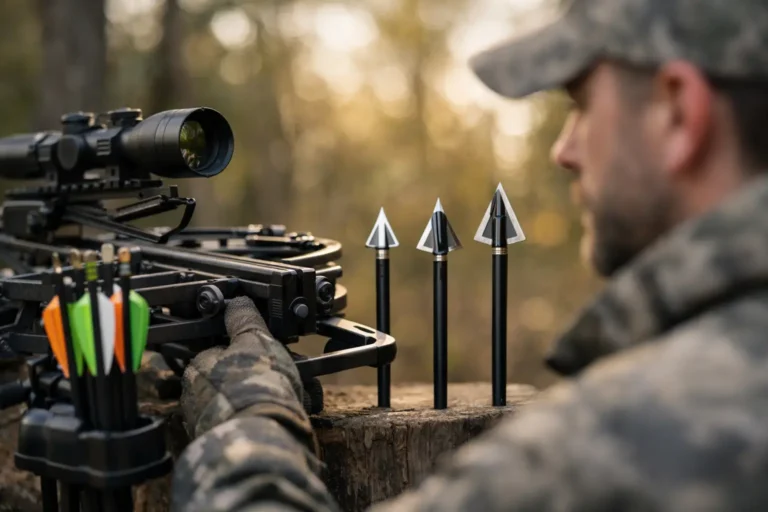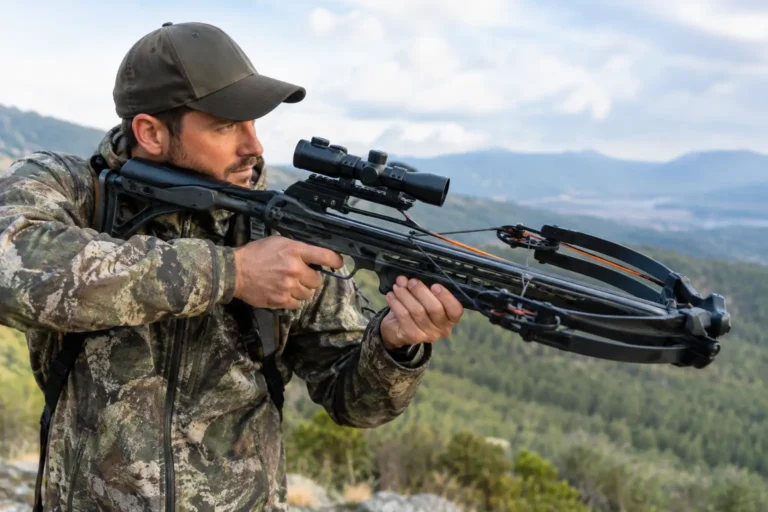
Ravin Deer Hunting Guide for Real-World Setups
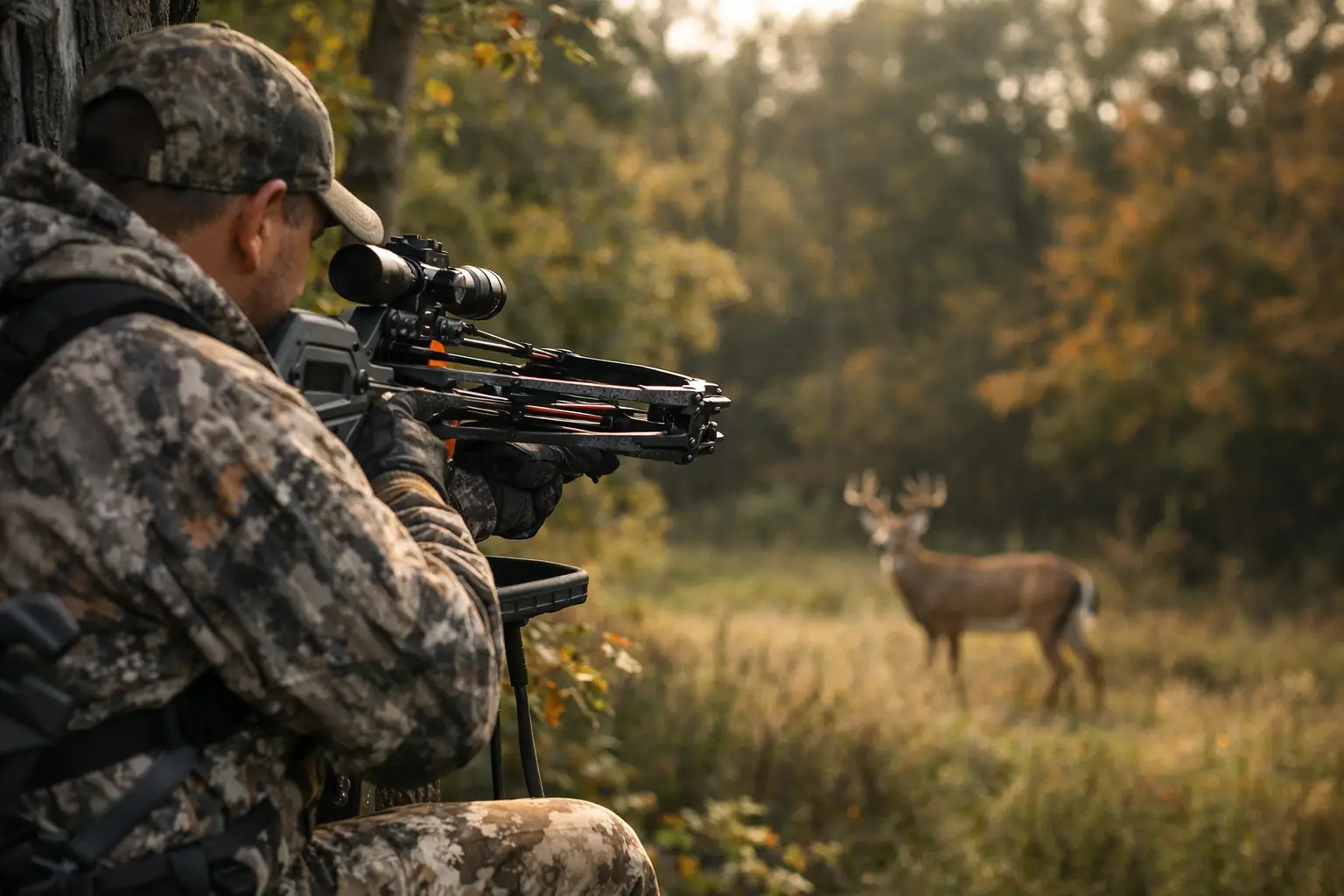
A mature whitetail rarely gives you a perfect broadside shot at a laser-ranged distance. It steps through brush, pauses at the edge of a lane, and forces you to make a clean decision fast. This Ravin deer hunting guide is built around that reality: choosing a crossbow that fits how and where you hunt, then setting it up well enough that the shot is not the weak link.
Ravin crossbows have earned attention for compact profiles, serious speed, and a cocking system designed to keep the process controlled. That does not make them magic. A fast, premium crossbow still needs the right arrows, a confirmed zero, safe handling, and honest distance limits. Real gear. Real hunting conditions. No BS.
Start With Your Deer Hunting Setup
Before comparing model names, look at your actual hunting ground. A hunter who spends November in a tight ladder stand has different needs than someone sitting in a roomy box blind or stalking field edges. The best Ravin is not automatically the fastest one. It is the one you can carry, cock, shoulder, aim, and shoot confidently in the places you hunt.
Stand hunters usually benefit most from a compact platform. Width matters when you are maneuvering around a tree, safety rail, pack, and tether. Weight matters too, particularly on a long walk in before daylight. A compact Ravin can be easier to bring into position without banging limbs or catching on clothing, but a compact build does not replace good stand discipline. Practice shooting from an elevated position, with your harness on, before you hunt.
Ground-blind hunters should pay close attention to overall length, scope height, and limb clearance around windows. Crossbows need room to fire safely. Never crowd the front end into a blind wall, netting, brush, or window frame. If your typical shot is 20 to 35 yards from a blind, you do not need to chase extreme speed just because the spec sheet looks impressive.
For field-edge and mixed-terrain hunters, range estimation and stability often matter more than raw velocity. A flatter-shooting Ravin can give you more margin when a deer stops at an in-between distance, but it does not excuse guessing. Range every lane before the deer arrive.
Ravin Deer Hunting Guide: Which Model Fits?
Ravin has models for different budgets and priorities. The smart move is to compare what each one gives you in the field, not just its advertised speed.
Ravin R10: The Practical Entry Point
The Ravin R10 makes sense for hunters who want into the Ravin platform without jumping straight to the top end. It is a strong fit for first-time crossbow buyers, bowhunters switching to a crossbow, and deer hunters whose shots are typically inside 40 yards.
Its appeal is simple: you get the compact Ravin design and a serious deer-capable setup without paying for performance you may never use. The trade-off is that it does not carry the same speed ceiling or premium feel as the newer high-performance models. That is not a problem for a hunter who practices and stays inside proven distances.
If your budget has to cover a crossbow, broadheads, arrows, a target, and preseason practice, the R10 can be the more sensible purchase. Spending every dollar on the bow and cutting corners on practice is backward.
Ravin R29X: Built for Hunters Who Want More Speed
The R29X is aimed at hunters who want more performance in a compact hunting package. It is a good middle ground for someone upgrading from an older crossbow and looking for faster arrow flight without moving to Ravin’s most expensive option.
More speed can flatten trajectory and reduce the effect of small range errors. That is useful when deer move through lanes at 27, 32, or 38 yards instead of standing on your 30-yard marker. But high speed also raises the stakes for setup mistakes. Use arrows approved for the crossbow, inspect them before each hunt, and confirm that your broadhead setup hits with your field points.
The R29X is worth a close look if you hunt from stands and blinds, want a compact package, and value performance without automatically needing the flagship model.
Ravin R50: Compact Handling With Serious Capability
The Ravin R50 fits hunters who prioritize maneuverability but still want modern performance. For tight stand setups, brushy walks, and hunters who dislike managing a wide front end in cramped spaces, this kind of compact design can be a real advantage.
The practical question is whether its balance works for you. Some hunters care most about a crossbow that comes up naturally from a seated position. Others want the most speed possible. Handle the R50’s weight and balance honestly, then consider how you will use it after a mile-long walk, not just how it feels at a counter.
It is a strong option for the hunter who wants a premium compact Ravin and plans to spend time building repeatable shooting form.
Ravin R500: Maximum Performance, Higher Commitment
The Ravin R500 is for hunters who want top-tier speed and are willing to pay for it. Its performance gives you a flatter trajectory and plenty of capability for deer hunting, especially where longer, open shooting lanes are part of the plan.
Still, a faster crossbow does not automatically mean longer ethical shots. At longer distances, wind, string movement, deer reaction, imperfect rests, and broadhead flight can all wreck a good-looking opportunity. The R500 gives an experienced hunter more capability, but your personal limit should be based on practice groups under realistic conditions.
The other trade-off is cost. If the R500 fits your budget after you account for arrows, broadheads, maintenance, and plenty of target time, it is a serious hunting tool. If buying it means skimping on everything else, compare it against the R29X or R50 before you commit.
Build a Hunting Setup, Not a Box-Ready Fantasy
A Ravin package gets you moving, but no crossbow should go straight from the box to the woods. Set aside time before season to assemble it correctly, inspect every component, and shoot enough that operating it feels routine.
Start by reading the model-specific manual. Ravin systems have specific requirements for cocking, loading, arrow placement, and safe unloading. Follow them exactly. A crossbow is not a piece of gear to improvise with, especially when strings, cables, and high energy are involved.
Use the correct Ravin arrows and nocks recommended for your model. This is not an area to save a few dollars with mismatched components. Check each arrow for cracks, splinters, damaged nocks, bent inserts, and loose fletching. Retire anything questionable.
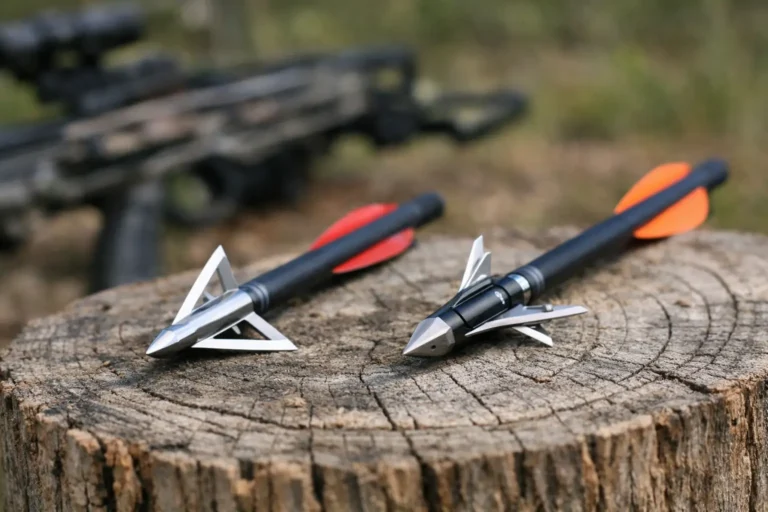
Then sight in with field points at a close distance before moving back. Once your scope is zeroed, shoot your chosen broadheads. Do not assume they will hit exactly with field points. Confirm your groups from the same positions you expect to use while hunting: seated, standing, kneeling, and from an elevated platform if you hunt from a stand.
Set an Ethical Distance Based on Your Groups
Your maximum deer-hunting range is not the number printed on a scope or the farthest distance you hit once on a calm afternoon. It is the farthest range where you can repeatedly place broadheads into a vital-size group from a realistic hunting position.
For many crossbow hunters, that may be 30 or 40 yards. Some practiced shooters can responsibly extend beyond that, but only when conditions are right and the deer is calm. A deer that is alert, quartering hard, moving, or partly screened by brush is not a speed test. Pass the shot.
Pre-range trees, rocks, lane intersections, and field edges before legal shooting light. Keep your rangefinder accessible. If a deer is beyond your confirmed distance, let it walk. There will be another opportunity. There may not be another chance after a bad hit.
Small Habits That Matter on Opening Day
The boring details are usually what separate a clean hunt from a frustrating one. Before every trip, check the string and cables for damage, confirm scope mounts are tight, inspect arrows, and make sure your broadhead is secure. Keep the rail and serving maintained according to Ravin’s instructions.
Carry the crossbow unloaded whenever you are climbing, descending, crossing obstacles, or getting into position. Do not load it until you are settled and ready to hunt. Keep fingers and thumbs below the string path at all times. These rules are basic because the consequences of ignoring them are not.
Finally, compare the Ravin R10, R29X, R50, and R500 based on your terrain and discipline, not ego. The right Ravin is the one that lets you make the calm, repeatable shot when a deer finally steps into your lane.