How to Select Ravin Arrows for Your Crossbow
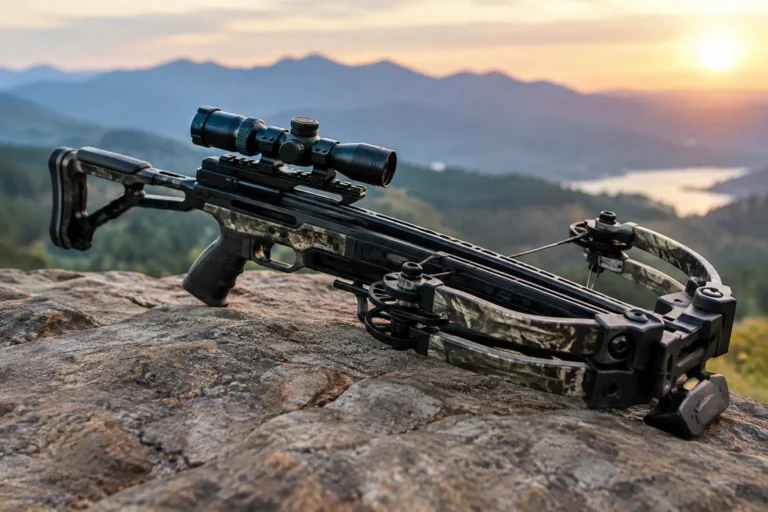
A Ravin crossbow is built around a specific arrow system. Treating arrows like a universal accessory is how hunters create accuracy problems, damage equipment, or end up chasing a deer after a bad hit. Knowing how to select Ravin arrows starts with one rule: buy arrows made for your exact Ravin platform, then set them up for the game and distances you actually hunt.
Disclosure: Dark Justice Survival is a Ravin Crossbows affiliate. Purchases made through links on this page may earn us a commission at no cost to you.
Shop on Ravin:
See Ravin arrows and current prices on RavinCrossbows.com →
This is not the place to save a few bucks by forcing a random carbon bolt into a high-performance crossbow. Ravin models generate serious speed and energy. The arrow is part of the system, not an afterthought.
Start With Your Exact Ravin Crossbow Model
Before looking at grain weight, broadheads, or premium straightness ratings, identify your model. The correct arrow length and configuration are dictated by the crossbow, not personal preference.
Ravin’s compact models such as the R10, R10X, R26, R29X, and R50 use the Ravin arrow platform specified for those crossbows. The R500 series uses its own longer R500 Series arrows. That difference matters. An arrow that looks close enough in the shop can still be the wrong length, nock configuration, or total weight for the bow in your hands.
Check the model name printed on the crossbow and verify it against Ravin’s current arrow compatibility information or the owner’s manual. If you bought a used bow, do not rely on what came in the case. Confirm it. Previous owners sometimes toss in whatever arrows they had, and that is not a trustworthy setup.
For example, an R29X hunter should shop for the arrows specified for the R29X platform, while an R500 owner should buy R500 Series arrows. Do not cut arrows down, swap in a different nock style, or assume an arrow from another Ravin family will work because it shares the same diameter.
Why Ravin Arrow Length Is Not Optional
Arrow length is a safety requirement as much as an accuracy factor. Ravin engineers the rail, string path, nock engagement, and arrow retention around a particular arrow length. Using an arrow that is too short can place fingers ahead of the string path and may create improper engagement at the nock. That is a bad gamble on any crossbow, especially one built for high speed.
A longer arrow is not automatically safer or more accurate either. It changes the bow’s balance, total arrow weight, clearance, and point of impact. It can also interfere with the intended fit in a quiver.
Use only the factory-specified length for your model. That means 20-inch arrows where your Ravin manual calls for 20-inch arrows and R500 Series arrows where it calls for that system. No guesswork. No garage modifications.
Match Total Arrow Weight to Ravin Specifications
Hunters often focus on arrow speed because speed is easy to market. In the field, total arrow weight matters just as much. The arrow needs enough mass to handle the crossbow’s energy safely and deliver dependable penetration with your chosen broadhead.
Ravin arrow packages and model specifications provide the baseline weight for the compatible arrow setup. Use that baseline as your starting point, including the nock, insert, and field point or broadhead. If your crossbow manual states a minimum finished arrow weight, never go below it.
A lighter setup may shoot flatter at close range, but it can be louder, less forgiving, and harder on the crossbow. A somewhat heavier setup can improve downrange stability and penetration, though it will drop more at distance. For most deer hunters, staying close to the factory arrow configuration is the smart call. Ravin already designed those arrows to balance speed, safety, and practical hunting performance.
If you want to change point weight or build a heavier hunting arrow, first confirm that the finished setup remains within Ravin’s approved specifications. Then re-zero the scope. A 100-grain field point and a broadhead with a different actual weight do not hit in the same place just because the package says they should.
The simple rule for field points and broadheads
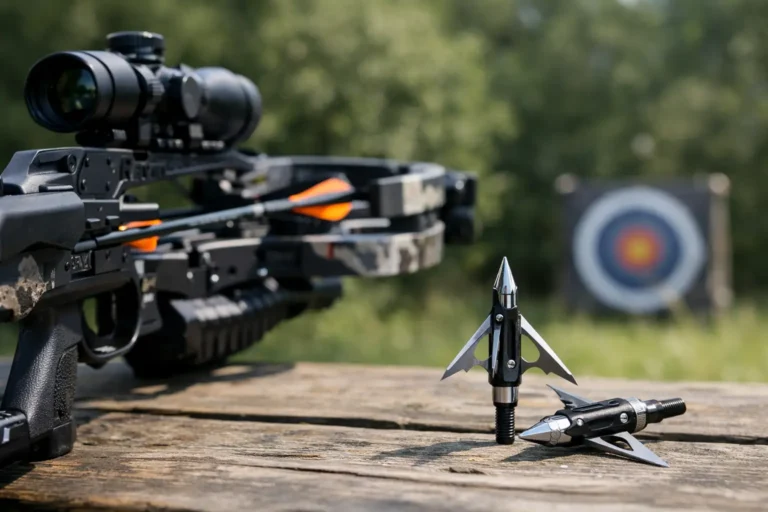
Practice with field points that match the weight of your hunting broadheads as closely as possible. Then shoot your actual broadheads before the season. Use a broadhead-rated target, start at a short distance, and verify impact before moving back.
If broadheads group noticeably away from field points, do not just twist scope turrets until the broadheads hit center. First inspect the arrows, confirm every broadhead is tight and square, and check for damaged vanes or inserts. A consistent broadhead shift can be tuned around, but inconsistent groups usually point to an arrow or setup issue.
Choose Straightness Based on Your Hunting Distance
Ravin offers arrows in different straightness tolerances, often identified by ratings such as .003 or .001. The smaller number indicates a straighter arrow. That can matter, but it is not a magic fix for poor shooting form, a loose scope mount, or a broadhead that is not spinning true.
For the average deer hunter shooting inside 40 yards, factory Ravin .003 arrows are a practical, capable choice when they are matched to the correct crossbow. They are generally the sensible option for stocking up, practicing often, and hunting hard without paying for precision you may never see in the field.
Premium .001 arrows make more sense for the hunter who routinely practices at longer distances, wants the tightest possible consistency, or is using an R500-class setup where small variations show up faster downrange. They can also appeal to the hunter who wants every arrow in a carefully checked hunting quiver to be as uniform as possible.
Here is the no-BS part: a damaged premium arrow is worse than a sound standard arrow. Inspect every arrow before shooting, regardless of what it cost.
Buy Enough Arrows to Practice Like You Hunt
A three-arrow pack may be enough to get started, but it is thin for a serious hunting setup. You need arrows for regular practice, broadhead confirmation, and a dedicated hunting quiver. Losing or damaging one arrow should not leave you scrambling a week before opening day.
For most hunters, six to 12 matched Ravin arrows is a more useful working supply. Keep your best, most consistent arrows for final broadhead testing and hunting. Use the others for field-point practice, but rotate them and inspect them all.
Mark arrows lightly so you can track any flyer. If one arrow suddenly starts landing outside the group, pull it from use and inspect it. Check the shaft for cracks, the nock for damage, the vanes for tears or loose edges, and the insert for movement. Carbon damage is not always obvious, so when in doubt, retire the arrow.
Inspect Nocks, Vanes, and Inserts Before Every Hunt
The shaft gets most of the attention, but the small components matter. Ravin’s nock system is designed to work with its string and firing system. Use the correct factory-style nock for the arrow and model. Do not substitute a generic nock because it appears to fit.
Vanes should be firmly attached and free from deep cuts, folds, or heat damage. A slightly scuffed vane may still fly fine for practice, but a hunting arrow needs to be in top condition. The insert should not wobble, and broadheads or field points should thread in smoothly and sit tight.
Give each hunting arrow a quick spin test with a field point or broadhead installed. Watch the point. Visible wobble means something is off. It may be the head, insert, shaft, or nock alignment. Set that arrow aside until you find the cause.
How to Select Ravin Arrows for Deer or Elk
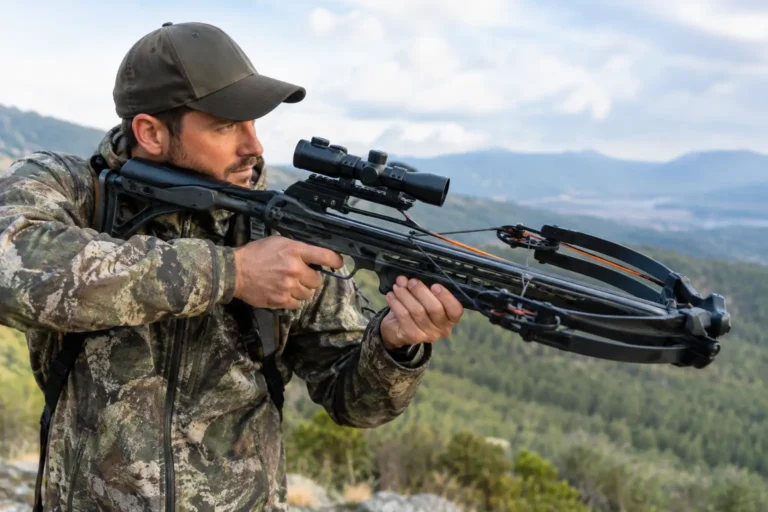
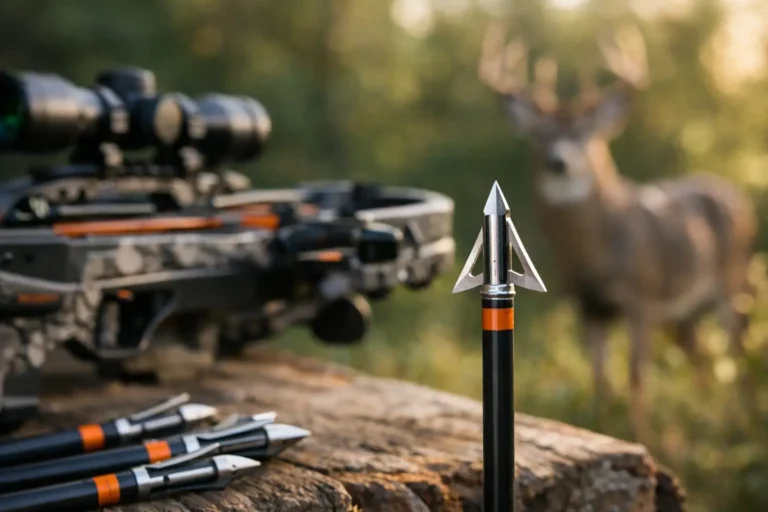
For whitetail deer, the right Ravin arrow is usually the factory-compatible arrow for your model, paired with a sharp, legal hunting broadhead that your crossbow shoots accurately. Reliability beats chasing extreme speed. Keep shots within the distance where you can repeatedly place broadheads into a tight group from real hunting positions.
For elk or larger-bodied game, arrow selection deserves even more discipline. Stay within Ravin’s approved finished arrow weight, use a strong broadhead suited to the animal and local regulations, and prioritize penetration and shot placement. A fast crossbow does not make marginal angles or long-range guesses ethical.
Ravin’s R29X and R500 platforms have the speed to make range estimation errors less dramatic than with slower crossbows. They do not erase them. Know your distance, confirm your broadhead zero, and wait for a shot that gives the arrow a clear path to the vitals.
The Best Buying Decision Is Usually the Boring One
The best Ravin arrow choice is rarely the flashiest package on the shelf. It is the correct factory-compatible arrow, in good condition, with a finished weight your crossbow approves, and a point setup you have personally verified.
If you are deciding between models before buying, compare the R10, R29X, R50, and R500 around more than advertised speed. Consider the arrow system each requires, the cost of keeping a practice supply on hand, and how far you honestly plan to shoot. Then buy the arrows that belong with that bow, practice with them often, and let proven groups make the decision for you.