Emergency Preparedness Checklist for Beginners
Most people do not need a bunker. They need a flashlight that works, water they can actually drink, and a plan they can follow when the power drops at 2 a.m. That is what an emergency preparedness checklist for beginners should do – cut through the noise and help you cover the basics fast.
If you are new to preparedness, start with this rule: build for the emergencies you are most likely to face, not the ones that look dramatic online. For most US households, that means power outages, severe weather, short-term water problems, wildfire smoke, road closures, and being stuck away from home longer than expected. A good setup is not about looking tactical. It is about staying safe, warm, hydrated, informed, and functional when normal systems stop working.
What beginners usually get wrong
The biggest mistake is buying random gear before thinking through actual needs. A giant knife will not help much if your water stops running. Fifty pounds of freeze-dried food is not your first priority if you do not have a can opener, a basic first aid kit, or a way to charge your phone.
The second mistake is going too big too soon. Preparedness works better when you build in layers. First cover 24 hours. Then 72 hours. Then a week. That approach is cheaper, easier to manage, and more likely to stick.
The third mistake is ignoring the boring stuff. Medications, copies of IDs, extra eyeglasses, pet supplies, cash in small bills, and a written contact list are not exciting, but they solve real problems fast.
Your emergency preparedness checklist for beginners
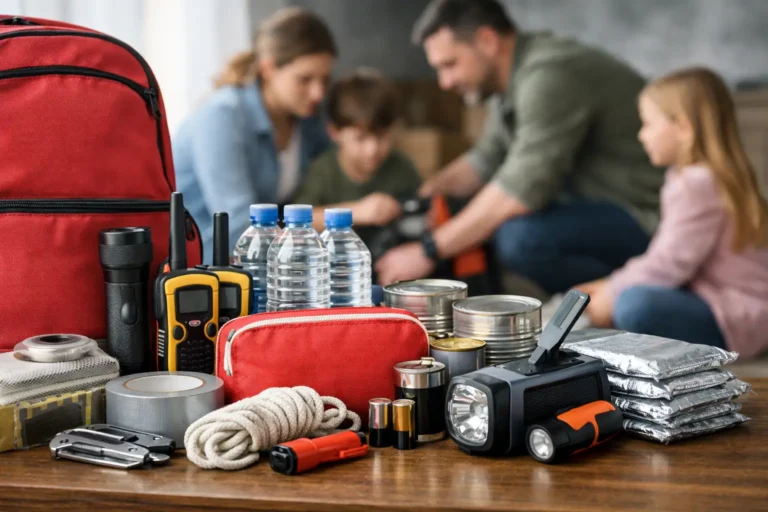
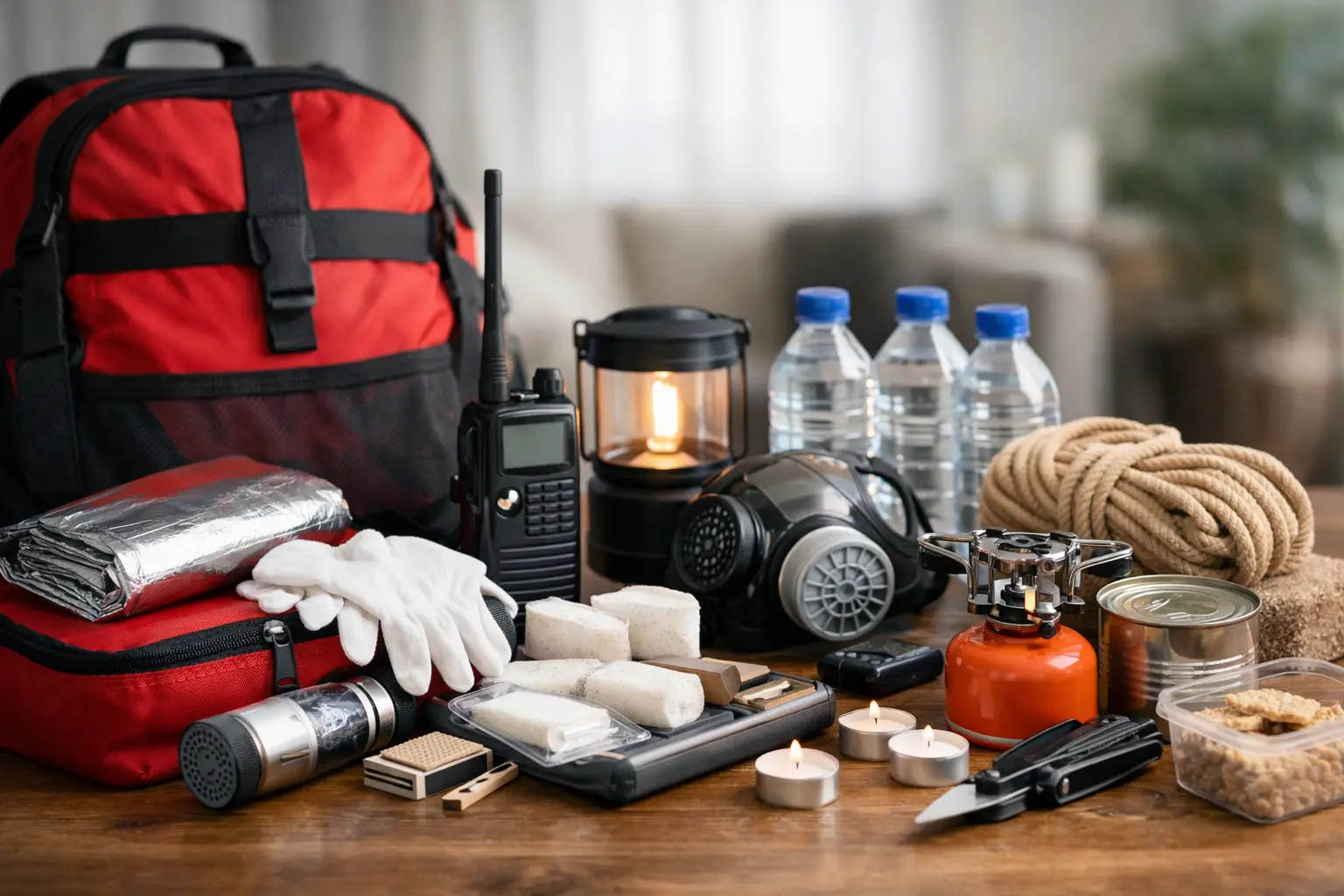
A beginner checklist should cover six core areas: water, food, light and power, first aid, shelter and warmth, and communications. If you handle those well, you are ahead of most people.
Water comes first
Water is where real preparedness starts. A practical target is one gallon per person per day for at least three days. That covers drinking and limited sanitation, but more is better if you have the space. If you live in a hot climate, have kids, or expect to shelter in place, your real use may be higher.
Stored water can be as simple as sealed jugs, stackable containers, or clean food-grade containers filled and rotated on a schedule. The trade-off is space. Apartment dwellers may need smaller containers spread across closets, while homeowners may be able to store more in a garage or utility area.
You should also have a backup way to make questionable water safer. That usually means a filter, purification tablets, or both. Beginners do not need five systems. One dependable filter and one backup method is a smart place to start.
Food should be simple, familiar, and easy to use
For short emergencies, focus on food that needs little or no cooking. Canned soup, chili, tuna, peanut butter, protein bars, crackers, oats, shelf-stable milk, and ready-to-eat meals make more sense than specialty survival food for most beginners.
Store what you already eat when possible. Familiar food gets used and rotated. Weird emergency food often gets shoved in a corner and forgotten. If your plan includes canned food, keep a manual can opener with it. That sounds obvious until the power is out and your electric opener is dead.
If you want a cooking option, a camp stove can be useful, but only if you understand safe fuel storage and ventilation. For many beginners, cold food for 72 hours is easier and safer than rushing into indoor cooking mistakes.
Light and power keep small problems from getting bigger
Every home should have multiple light sources. Start with flashlights, a headlamp, and extra batteries. Headlamps are especially useful because they keep your hands free for first aid, repairs, or moving around in the dark.
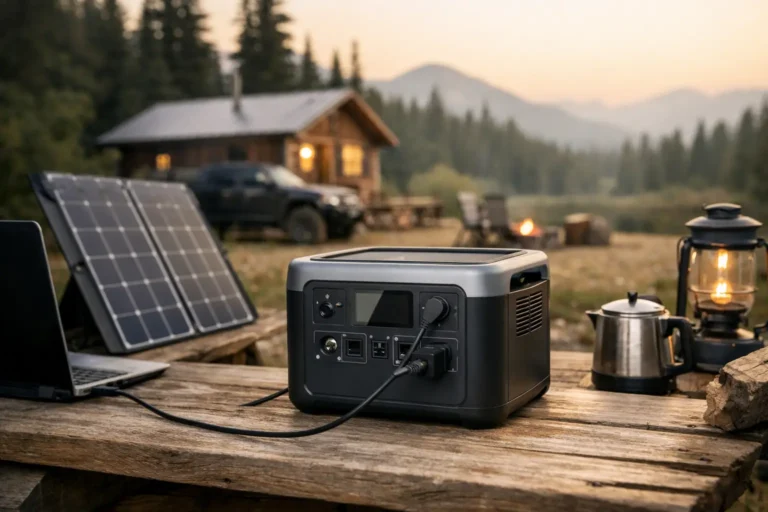
For power, think in terms of priorities. Most people do not need to run their whole house. They need to charge phones, keep a small radio running, and maybe power a medical device or small battery pack. A couple of charged power banks cover a lot of ground. If you decide to go bigger later, a portable power station may make sense, but beginners should not feel pressured to spend heavily on day one.
Candles are often treated as a backup default, but they bring fire risk into a situation that is already stressful. Battery-powered light is usually the better move.
First aid needs to match the people in your home
A basic first aid kit is not enough if it is missing the items you actually use. Start with bandages, gauze, antiseptic, tape, gloves, pain relievers, allergy medication, fever reducers, and any prescription meds your household depends on. Then add the personal items people forget, like inhalers, spare contacts, glucose supplies, or baby care essentials.
A store-bought kit is fine as a foundation, but check it. Many are padded with cheap filler and short on useful quantities. Buy the kit if you want convenience, then upgrade the contents based on your reality.
Skills matter here as much as gear. Knowing how to clean and dress a wound, control bleeding, or recognize dehydration is worth more than owning a fancy pouch full of items you have never used.
Shelter and warmth matter even inside your house
If the heat goes out in winter, your home can become dangerous faster than many people expect. Keep blankets, sleeping bags, extra socks, gloves, and layered clothing accessible. If you live in a cold region, this category moves way up the priority list.
In hot climates, flip the thinking. You may need shade, airflow, cooling towels, electrolytes, and a plan for heat exposure if air conditioning fails. Preparedness is local. What works in Montana may not be the right first move in Arizona.
Plastic sheeting, tarps, and duct tape can also earn their place. They help with broken windows, temporary weatherproofing, and fast shelter fixes. Not glamorous, but useful.
Communication is more than a charged phone
Phones are great until towers are overloaded, batteries die, or you cannot remember numbers because they are all saved digitally. Write down key contact numbers, meeting places, medical information, and address details. Keep a paper copy where you can grab it.
A battery-powered or hand-crank weather radio is a solid backup for regional emergencies. It gives you information when internet service is spotty or the grid is down. This is one of those tools beginners often skip until they need it.
Your household should also agree on simple communication rules. Where do you meet if you cannot get home? Who checks on an older relative? If schools close early or roads are blocked, what is the fallback plan? Gear helps, but plans reduce panic.
Build kits for where problems actually happen
A home kit is the foundation, but beginners should also think in smaller zones. Your car should carry water, a flashlight, jumper cables or a jump starter, a basic first aid kit, weather-appropriate layers, and some food. If you commute, add roadside basics and a phone charger that stays in the vehicle.
A small everyday carry setup also matters. That does not mean playing dress-up. It means carrying the things that solve routine problems: a charged phone, pocket flashlight, lighter, multitool if legal and appropriate, ID, cash, and any critical medication.
If you work away from home, keep a small desk or locker stash. Even a few snacks, a water bottle, backup charger, and hygiene items can make a long disruption a lot easier.
Buy in stages so you actually finish
If you are starting from zero, do this in rounds. In round one, get water, flashlights, batteries, a first aid kit, simple food, and a backup phone charger. In round two, add more water, a radio, blankets, hygiene supplies, and copies of documents. In round three, fill gaps based on your location, family needs, pets, and vehicle setup.
That staged approach keeps preparedness realistic. It also helps you avoid junk purchases. Real survival info is not about owning the most gear. It is about having the right gear, in working order, where you can reach it.
Test your setup before you trust it
A checklist is only useful if it holds up under stress. Try a simple weekend test. Turn off the power to part of the house for a few hours. Use your flashlights. Charge from your power bank. Eat from your emergency food stash. Check whether everyone knows where the first aid kit is.
These small tests expose weak spots fast. Maybe your batteries are dead, your stored water is hard to access, or your can opener somehow vanished. Better to learn that on a calm Saturday than during a storm warning.
Keep it boring, keep it real
The best preparedness plan is the one you can maintain. That usually means practical supplies, clear storage, labeled bins, rotated food, and gear you know how to use. No hype. No fantasy loadout. Just dependable basics that work when conditions go sideways.
If you are overwhelmed, start with enough supplies to get your household through three rough days without outside help. Then improve from there. Confidence comes from reps, not from buying the most expensive equipment on the shelf.
Preparedness is not about fear. It is about reducing friction when life gets messy, and that starts with one solid step taken before you need it.