What a Real First-Aid Kit Needs That Cheap Kits Leave Out
A broadhead does not care whether your first-aid kit came in a tidy red pouch with 120 pieces printed on the label. When a hunter cuts a hand while handling a bolt, slips with a knife, or gets miles from the truck with a deep wound, the question is simple: can the kit stop the problem from getting worse? That is what a real first-aid kit needs that cheap kits leave out – the gear and organization for the injuries that actually matter outdoors.
Cheap kits are not useless. They can handle a headache, a blister, or a small scrape. But their piece count is usually inflated with tiny bandages, alcohol wipes, and thin gauze squares. Those items have a place. They are not enough when bleeding is heavy, a wound is deep, or weather and distance turn a manageable injury into a serious one.
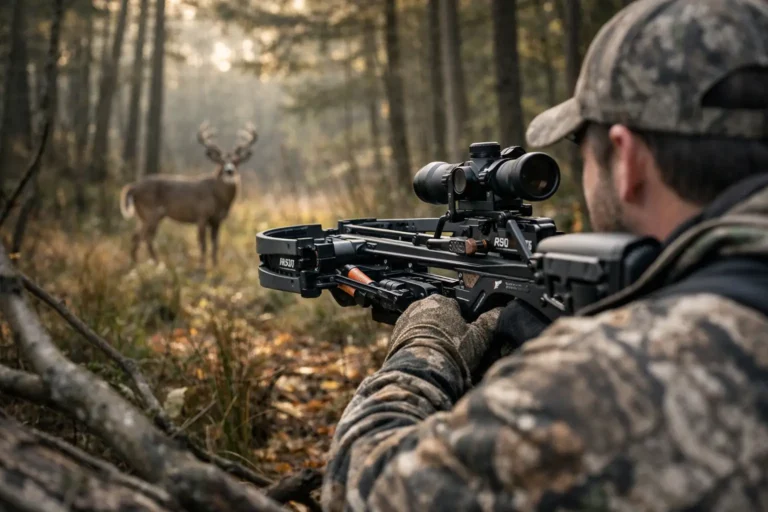
For crossbow hunters, the right kit is part of responsible gear setup. You check a Ravin crossbow, inspect bolts and broadheads, and know the route back to the vehicle. Carrying a kit built for real injuries belongs on that same checklist.
What a Real First-Aid Kit Needs That Cheap Kits Leave Out
The difference is not more stuff. It is useful stuff, in quantities you can work with, packed where you can reach it without digging through a pile of novelty supplies.
A real field kit should focus first on three jobs: control serious bleeding, protect and dress wounds, and keep a minor injury from becoming a hunt-ending problem. It should also include a few items for medication, tools, and emergency communication planning. What belongs in your kit depends on where you hunt, how far you travel from the road, and whether you are alone, but the basics do not change much.
Bleeding-control gear that can do its job
The biggest omission in bargain first-aid kits is effective bleeding control. A handful of adhesive strips and a tiny roll of gauze will not manage a deep cut from a skinning blade or a broadhead accident.
Carry a purpose-built tourniquet from a reputable medical supplier and learn to use it before opening day. This is not an item to improvise in a crisis with a belt, paracord, or whatever is in a pack pocket. A tourniquet is for life-threatening bleeding from an arm or leg, not every cut. Marking the application time and getting emergency care immediately are part of using it correctly.
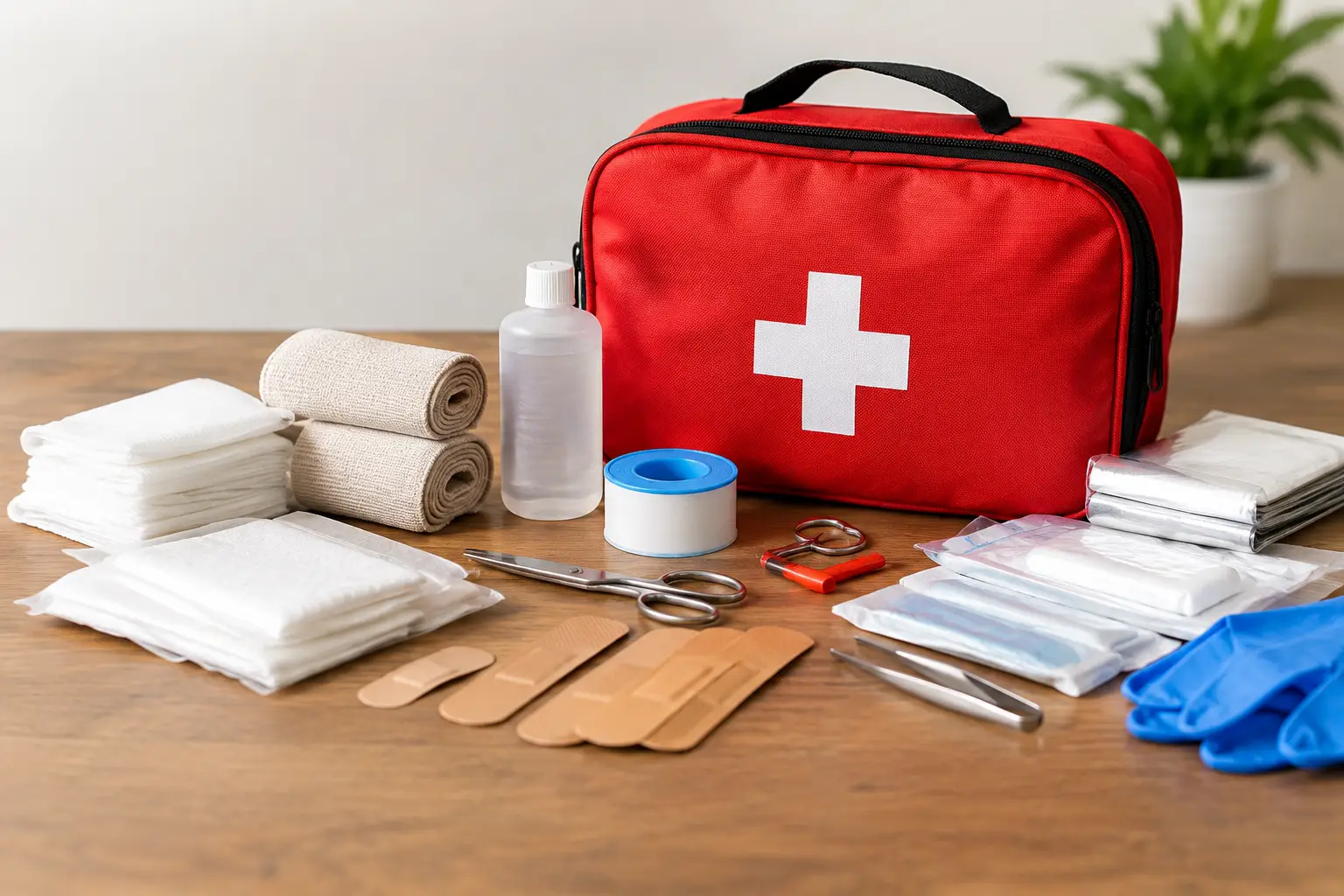
Your kit should also have compressed gauze or plain rolled gauze for packing and applying direct pressure, plus a pressure dressing that stays put when the injured person has to move. Add a pair of nitrile gloves. Blood is messy, and gloves protect both the patient and the person providing care.
If you hunt far from cell service, take a hands-on bleeding-control class. Gear helps, but competence is what makes it useful. No BS: a tourniquet buried in unopened packaging is not a plan.
Dressings sized for the field
Cheap kits often include gauze pads so small they barely cover a knuckle. A field-ready kit needs several sterile pads in usable sizes, medical tape, and a way to cover a wound after bleeding is controlled.
Include a non-adherent dressing for abrasions and cuts that would otherwise stick to standard gauze. A larger trauma pad is worth carrying for wounds that need more coverage. Medical tape should be quality tape that adheres to sweaty or dirty skin reasonably well. Test it at home rather than finding out it fails during a wet November hunt.
For small problems, keep a selection of adhesive bandages, blister treatment, antiseptic wipes, and antibiotic ointment if you personally tolerate it. These are the items cheap kits usually provide in bulk, but they work better when they support the bigger medical supplies rather than replace them.
Tools cheap kits treat as an afterthought
A decent kit needs simple tools that make treatment possible. Trauma shears cut clothing, tape, and dressings without forcing a knife close to an injury. Fine-tip tweezers handle splinters, ticks, and debris. A small permanent marker lets you note a tourniquet time or record relevant information.
Include a compact emergency blanket. It is not a cure for hypothermia, but it can help reduce heat loss while you wait for help or make a slow walk out. An elastic wrap is also practical for supporting a mild sprain or holding a cold pack in place. Do not wrap so tightly that circulation is affected.
Consider a CPR face shield if you have training and are comfortable carrying one. It takes almost no space, but it is only useful if you know basic CPR and understand your local emergency response options.
Build for the Injury, Not the Package Count
The best hunting first-aid kit is not necessarily a giant medic bag. It is a compact, clearly organized kit with enough supplies for the realistic problems in your hunting area.
For a short hunt close to the truck, a small belt pouch or pack pocket kit may be enough. If you are hiking deep into public land, hunting remote terrain, or guiding another person, carry more dressings, additional gauze, extra gloves, and a larger emergency shelter option. Two hunters splitting up should not rely on one shared kit left in the truck.
A smart setup is a two-tier system. Keep immediate bleeding-control supplies in an outer pouch that you can access fast. Store the rest of the kit in a waterproof bag inside your pack. In cold rain or snow, wet bandages and ruined tape are dead weight.
Do not vacuum-seal every item into one hard-to-open brick. The kit should stay protected, but you need to identify and grab critical gear under stress. Label sections clearly: bleeding, wound care, medication, and tools. If another hunter opens your pack, the layout should make sense without a guided tour.
Medication and Personal Needs Matter Too
A real kit should include medications you can safely use and have previously discussed with a medical professional when necessary. Common options may include pain relievers, an antihistamine for a mild allergic reaction, and personal prescriptions. Keep medications in their original labeled containers or clearly label them, and check expiration dates before each season.
Do not treat a first-aid kit as a substitute for emergency medication. If someone has a known severe allergy, asthma, diabetes, or another medical condition, their prescribed emergency supplies need to be accessible and known to their hunting partners. A random assortment of pills from a cheap kit does not solve that problem.
Add any personal items your situation demands, such as glasses, spare contacts, a backup inhaler, or a small supply of electrolyte mix. That is not overpacking. It is planning for the person carrying the kit.
Crossbow-Hunting Details Worth Planning For
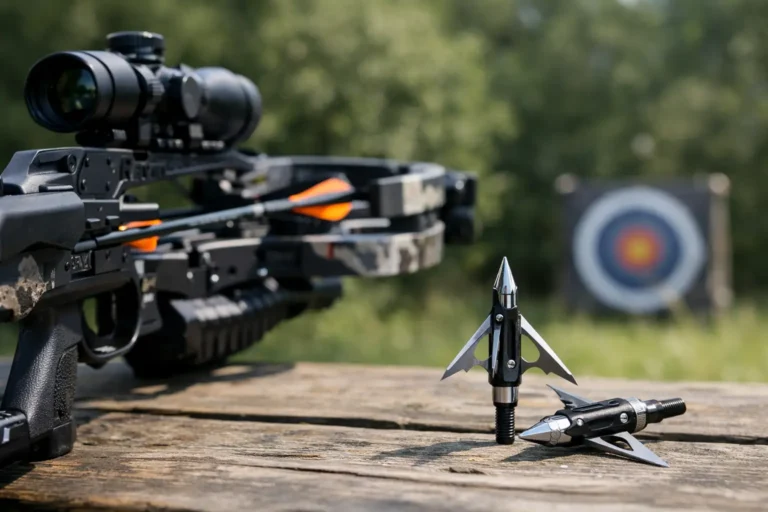
Crossbow hunting creates a few predictable injury risks: sharp broadheads, knives used for field dressing, slips on wet ground, and long walks while carrying awkward gear. The answer is not fear. It is disciplined handling and a kit that covers the consequences if something goes wrong.
Keep broadheads covered whenever possible, never reach blindly into a bolt quiver or gear bag, and make sure the kit is accessible before you start dressing an animal. Put it in the same place every trip. A medical kit under a pile of rain gear on the far side of the vehicle is not available when you need it.
Also carry a charged phone, a backup power source appropriate for your trip, and a plan for exactly who you will call. Tell someone where you are hunting and when you expect to return. In remote country, consider a satellite communication device. First aid buys time. Communication gets help moving.
Inspect the Kit Before It Becomes an Emergency
Check your kit at the start of the season and after every use. Replace opened, wet, dirty, expired, or depleted items. Inspect packaging for tears. Restock immediately after a hunt instead of promising yourself you will remember later.
Most importantly, practice locating the tourniquet, gauze, gloves, and shears with your eyes off the pouch. You do not need to turn every outing into a medical drill, but you should be able to find critical gear without thinking. Real survival info. Real gear. No BS.
A cheap kit can be a starting point, not the finished answer. Upgrade it for the injuries your hunt can realistically produce, keep it where you can reach it, and learn the skills to use it. The best first-aid kit is the one that gives you a fighting chance to finish the day safely when the plan goes sideways.