Stay or Leave When a Hurricane Is Coming to Florida?
A hurricane does not care how prepared, tough, or experienced you are outdoors. When people ask, should you stay or leave when a hurricane is coming to Florida, the right answer starts with one hard rule: if local officials issue an evacuation order for your zone, leave. Do not turn a public-safety order into a personal test of judgment.
Florida storms kill people with water, wind-driven debris, falling trees, fires, and bad decisions made after the roads are already dangerous. The goal is not to prove you can ride it out. The goal is to put yourself and the people depending on you in the safest position before conditions get ugly.
Stay or Leave When a Hurricane Is Coming to Florida?
The decision comes down to where you are, what your home can handle, and how much time remains. A hurricane category is only part of the picture. A Category 1 storm can bring deadly flooding, tornadoes, power outages, and storm surge. A stronger storm that tracks farther away may produce less danger at your exact location. Focus on official local guidance and the hazards forecast for your address, not the number in the headline.
Leave if you are in an evacuation zone, a mobile or manufactured home, a low-lying coastal area, a barrier island, or a structure with a history of flooding. Leave if you need electricity for medical equipment and do not have a safe, reliable backup plan. And leave if you are not confident your building can withstand sustained winds, rising water, or days without basic services.
If you are outside an evacuation zone, in a well-built home, and away from flood-prone areas, staying may be reasonable. That does not mean casual. It means you have enough food, water, medicine, communications, light, and a safe interior room to handle several days without power or access to stores.
An evacuation order is not a suggestion
Florida evacuation orders are usually based on specific zones and risk factors, especially storm surge. Your county may order only certain coastal areas, mobile homes, or flood-prone neighborhoods to leave. That is why “my county is not evacuating” is not enough information. Know your zone and confirm whether your address is included.
A voluntary evacuation notice also deserves respect. It often means officials see a real threat but have not yet made a mandatory order. If you have young children, mobility issues, pets, medical needs, or limited transportation, voluntary evacuation is often your best window to get out without sitting in hours of traffic.
Do not wait for the last press conference. Once winds rise, bridges may close, fuel stations can run dry, and emergency crews may no longer be able to reach you.
The Risks That Should Push You Out
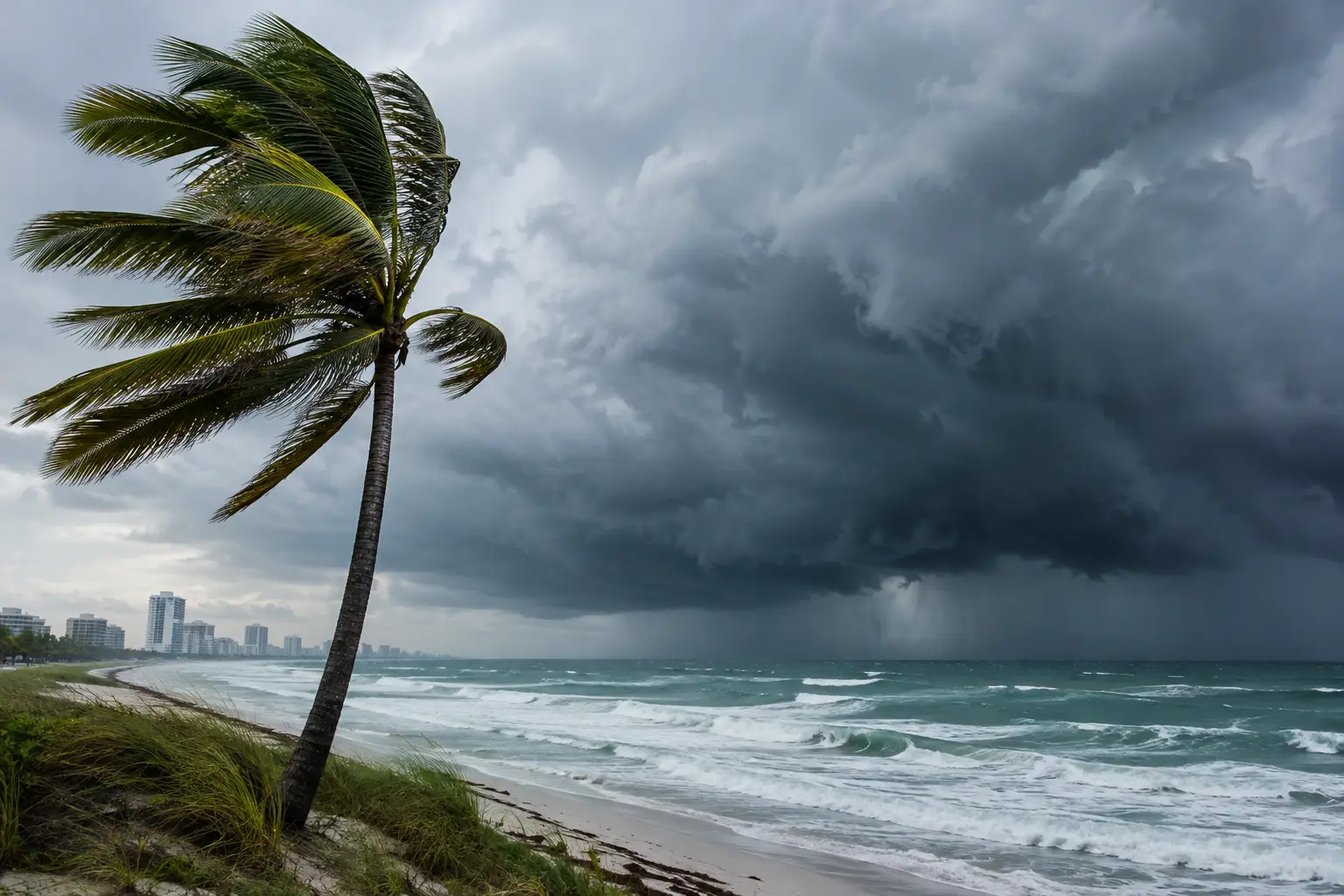
Storm surge is the big one. It is not a little water creeping across a beach. It can shove ocean water inland with enough force to destroy homes, float vehicles, and cut off every route out. If surge is forecast near your location, leave early.
Freshwater flooding is the other major threat. Inland Florida can flood badly from rain long after landfall, especially near canals, rivers, retention ponds, and poorly drained roads. If your home has flooded before, take that history seriously. Every storm is different, but past water problems are a loud warning.
Wind risk also changes by home type. Concrete block construction and newer homes built to stronger codes generally offer more protection than older structures, sheds, RVs, and manufactured homes. But even a solid home becomes a bad place to stay if it is surrounded by large weak trees, near water, or likely to lose access during the storm.
Here is the no-BS test: if your plan depends on driving through water, using a generator indoors or near an open window, or assuming first responders will reach you quickly, your plan is bad. Leave while leaving is still easy.
If You Leave, Leave Early and With a Real Destination
Evacuating does not always mean driving hundreds of miles north. It may mean moving to a hotel, shelter, or trusted home outside the evacuation area and outside the projected flood risk. The key is getting away from the specific hazard, not automatically chasing the state line.
Pick your destination before the rush. Tell someone where you are going. Keep your phone charged, carry paper copies of key contacts and documents, and bring cash because card systems and ATMs can fail during widespread outages.
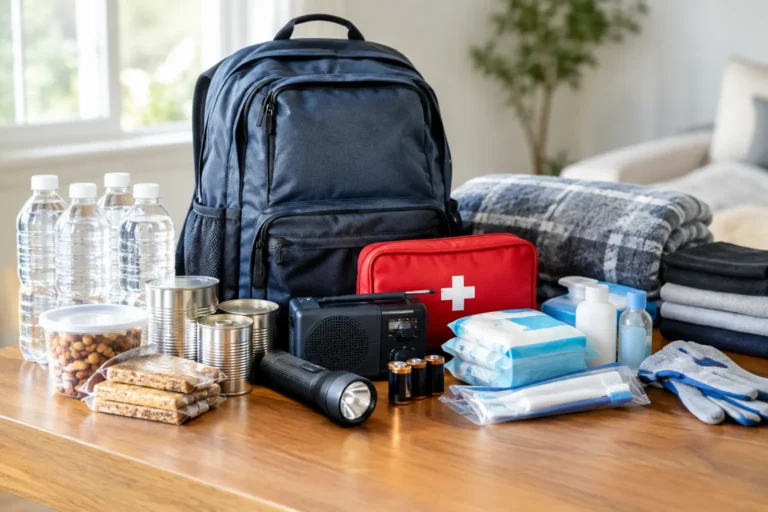
Pack your vehicle with practical priorities: medications, identification, insurance information, water, food that does not need cooking, chargers, a basic first-aid kit, clothing, pet supplies, and necessary baby or medical items. Fill the fuel tank before the storm crowds arrive. A half-tank is not a plan when stations are closed or lines stretch down the road.
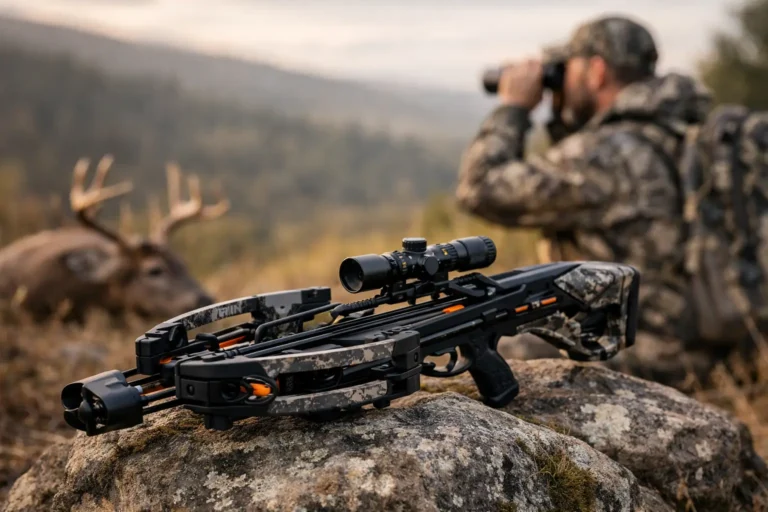
Hunters should secure gear before they go, but do not waste evacuation time loading every piece of equipment. Unload and case your Ravin crossbow, store it high and dry in a secure area if it is staying behind, and take only what is legal and necessary for safe transport. A crossbow is valuable equipment, not emergency gear. Your family, medications, documents, and evacuation timing come first.
If You Stay, Prepare for Isolation, Not Convenience
Staying home is a commitment to managing without normal services. You may lose power, water pressure, cell service, road access, and store access at the same time. Prepare for at least several days, and understand that hot, humid Florida conditions make outages harder than many people expect.
Use this short checklist before tropical-storm-force winds arrive:
- Have drinking water and food that need little or no cooking.
- Fill prescriptions and keep essential medical devices charged.
- Move vehicles away from trees and flood-prone spots.
- Bring loose outdoor items inside and secure shutters or impact protection.
- Set aside flashlights, batteries, a weather radio, and power banks.
- Choose an interior room away from windows for the worst conditions.
Do not run a generator inside a garage, porch, shed, or near doors and windows. Carbon monoxide can kill without warning. Keep it outdoors, well away from the house, and follow the manufacturer’s instructions. Never drive around barricades or into flooded roads after the storm. The water may be deeper than it looks, moving faster than it looks, or hiding a washed-out road and downed power lines.
Do Not Let the Forecast Make You Complacent
Forecast tracks shift, and the cone is not a map of where impacts stop. Dangerous weather can extend far from the center. Wind, tornadoes, surge, and flooding may hit different places at different times. Check official county emergency updates and National Weather Service warnings several times a day as the storm approaches.
Also watch the timing. Leaving 24 hours before conditions deteriorate is usually far safer than leaving six hours before landfall. The best evacuation is boring: full tank, clear roads, daylight, a confirmed place to sleep, and no panic.
If you are still undecided, ask one question: if the power fails, roads flood, and emergency services cannot reach my home for a day or two, can everyone here remain safe? If the honest answer is no, go now. Hurricanes reward early, practical decisions and punish stubborn ones.