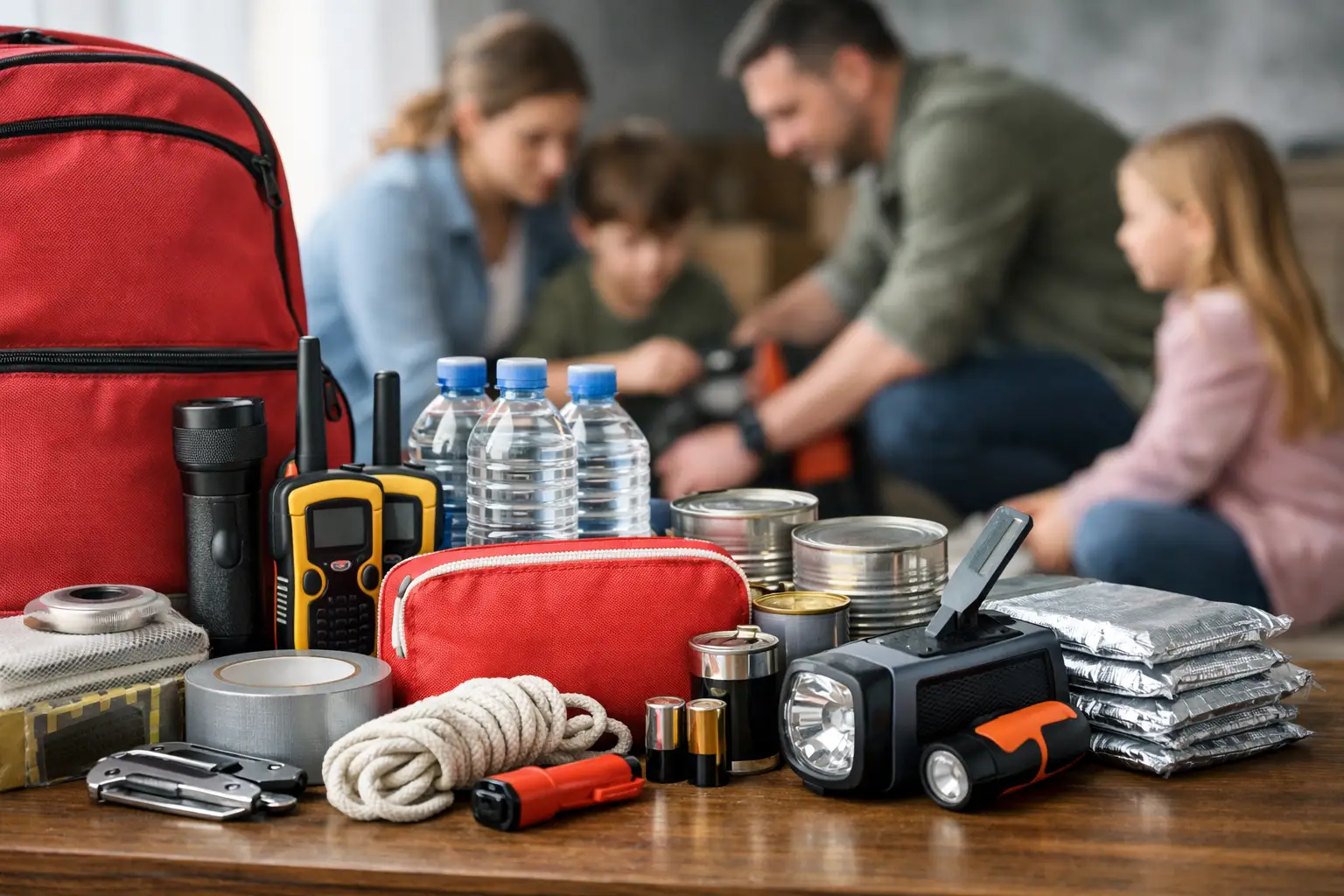
9 Emergency Preparedness Tips for Families
The power goes out at 2 a.m., your kid is scared, your phone is at 18 percent, and the fridge is already warming up. That is when emergency preparedness tips for families stop being theory and start being the difference between chaos and control. A good family plan is not about paranoia. It is about having the right gear, a clear routine, and enough practice that nobody freezes when something goes wrong.
Most families do not need a bunker. They need a realistic setup for the emergencies that actually hit American households – storms, blackouts, flash floods, winter weather, wildfire smoke, boil-water notices, short-notice evacuations, and getting stuck on the road. The goal is simple: keep everyone safe, warm, hydrated, informed, and able to move if the situation gets worse.
Emergency preparedness tips for families start with your real risks
Preparedness gets easier when you stop trying to plan for everything at once. A family in Arizona has different needs than a family in Minnesota. Apartment dwellers face different problems than people on acreage. Start with the hazards most likely to affect your home, your commute, and your local area.
For most households, that means focusing on power loss, water disruption, severe weather, and evacuation. Once you know your top risks, your gear choices get smarter. A portable power station matters more in blackout-prone areas. Extra water storage matters more where storms or infrastructure problems can shut off taps. A weather radio matters almost everywhere.
This is also where a lot of people waste money. They buy flashy gear before they lock down basics. No BS – if your family does not have stored water, reliable lighting, backup power, a first-aid kit, and a way to cook or stay warm, that is where to start.
Build your family kit around the first 72 hours
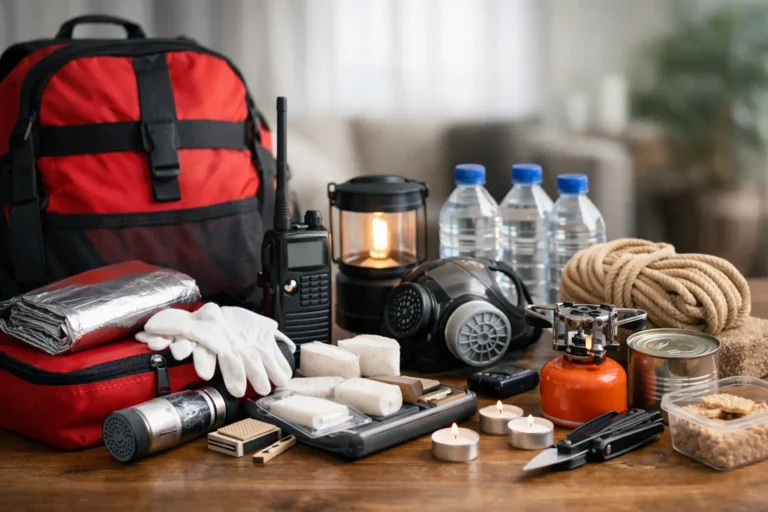
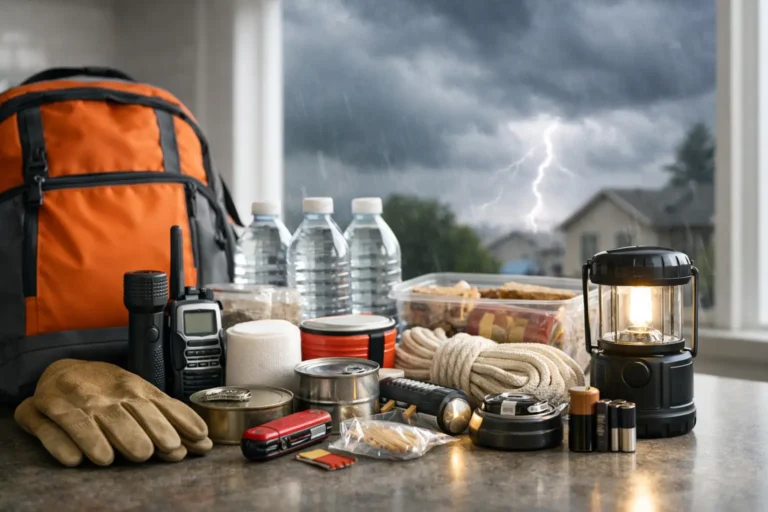
The first three days after an emergency are where most family plans either work or fall apart. You do not need a mountain of gear to cover that window, but what you buy should be dependable and easy for everyone in the house to use.
Water comes first. Store enough drinking water for every person and pet, and do not assume a couple of gallon jugs in the garage will cut it. Containers crack, people drink more in heat, and outages often last longer than expected. Water storage containers, filtration backups, and simple purification options earn their place fast. If your family uses well water, remember that a power outage can take out your water supply even if the well itself is fine.
Food is next, but keep it practical. Families do better with shelf-stable meals they will actually eat, not random cans that end up expiring in the back of a closet. If you have babies, add formula and feeding supplies. If someone in the house has dietary restrictions, build around that now instead of trying to improvise later.
Lighting matters more than people think. Headlamps beat handheld flashlights when you are changing a tire, carrying a child, or shutting off breakers in the dark. Lanterns are better for keeping a room usable. Extra batteries are fine, but rechargeable lights paired with a portable power station can make more sense for longer outages.
Power, communication, and heat are where comfort turns into safety
A lot of family emergencies become dangerous because people lose power and information at the same time. Phones die. Cell networks get overloaded. Heat or AC goes out. Medical devices need charging. Kids get cold, bored, and stressed.
That is why backup power is not a luxury item anymore for many households. A solid portable power station can keep phones, radios, lights, small medical devices, and some basic appliances running without the noise and fuel storage headaches of a gas generator. It will not run everything forever, and that trade-off matters. If you expect to power a fridge, freezer, or multiple devices for extended outages, size matters. Buying too small is one of the most common mistakes beginners make.
Communication is the other half of the equation. A weather radio with battery backup or hand-crank capability gives you a way to get updates when the internet is down. Keep charging cables with your power gear, not scattered around the house. If your family members are often apart during the day, agree on one main contact method and one fallback.
Heat and cooling deserve a realistic look too. In winter, sleeping bags, wool blankets, insulated layers, and safe indoor heating options can carry you through a lot. In summer, blackout curtains, battery fans, hydration, and keeping one cool room can make a rough outage manageable. The right gear depends on your climate, but pretending temperature is a comfort issue instead of a safety issue is a rookie mistake.
Every family needs go-bags that are actually grab-and-go
One of the best emergency preparedness tips for families is to stop treating evacuation as a distant possibility. Fires move fast. Gas leaks happen. Floods do not care if you planned to pack later.
A family go-bag should be ready now, not after alerts start hitting your phone. Keep one for each adult and a simplified version for kids if they are old enough to carry it. The bag should cover water, food, meds, documents, chargers, hygiene basics, light, first aid, and a change of clothes. For children, add comfort items. For pets, include food, leash gear, waste bags, and vaccination records.
Do not build a go-bag so heavy that nobody wants to move with it. This is where gear selection matters. Compact emergency food, lighter water storage options, quality organizers, and a dependable medical pouch make a difference. Cheap junk gets left behind because it is frustrating to use.
If you live in a wildfire, hurricane, or flood zone, your vehicle should also carry a smaller backup kit. Breakdowns and road closures turn into overnight problems faster than most people expect.
Medical gear should match your family, not a movie script
A first-aid kit is not one-size-fits-all. A family with toddlers needs different supplies than a household with teens. Anyone with prescriptions, allergies, asthma, or medical equipment needs a customized setup.
Start with a quality base kit, then add what your household actually uses. Fever meds, antihistamines, backup prescriptions where possible, electrolyte support, bandages that stay put, and gloves are standard. If somebody in your house needs inhalers, EpiPens, glucose monitoring supplies, or mobility support, those items belong in both your home kit and your go-bags.
Training matters here. The best kit in the world is dead weight if nobody knows how to use it. At minimum, adults in the house should know basic bleeding control, CPR, and how to handle common injuries and illnesses until help arrives.
Make your house easier to run when normal systems fail
Preparedness is not only about what you store. It is also about how fast you can function when the routine breaks.
Label shutoffs for water, gas, and breakers. Keep flashlights where you will need them, not buried in one giant bin. Store backup gear in places family members can reach without asking you where everything is. If you have a portable power station, test what it actually runs before an outage. If you keep fuel-based equipment, maintain it. If you rely on off-grid tools or backup cooking gear, use them once before you need them for real.
This is where practical equipment earns its keep. Folding water containers, compact camp stoves, backup cooking kits, and simple storage systems can make a house far more resilient without turning it into a survival museum.
Practice the plan so nobody has to guess
The best gear setup still fails if your family has no plan. Kids should know where to go during a storm warning. Adults should know who grabs medications, who handles pets, and who checks on older relatives. If you evacuate, everybody should know at least two meeting locations.
Run quick drills a couple times a year. Test the radio. Charge the power station. Rotate stored food and water. Repack go-bags as kids grow and seasons change. This does not need to become a lifestyle obsession. A 20-minute check every few months beats a closet full of expired supplies and dead batteries.
If you are just getting started, do not wait until your setup is perfect. Build your family plan in layers. Cover water, power, lighting, food, and first aid first. Then improve your evacuation gear, communication tools, and household backup systems. Real preparedness is not about looking tactical. It is about making sure the people under your roof have what they need when life gets rough.
Start with the gaps that would hurt you most in the next 72 hours, fix those first, and your family will already be ahead of most people.