Ravin Cocking Issues and How to Fix Them
A Ravin that will not cock correctly is not a problem to muscle through. Ravin cocking issues usually trace back to crank setup, string engagement, cable routing, or a part that needs attention. The good news: most are easy to narrow down when you stop, unload the situation safely, and check the system in the right order.
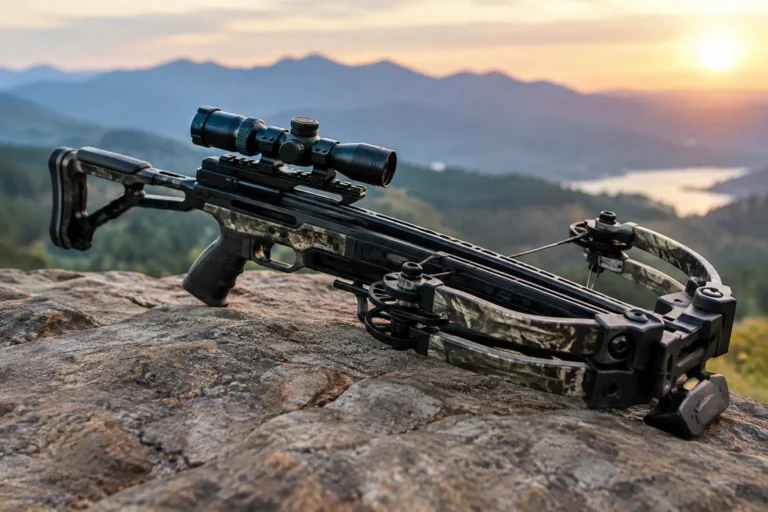
Ravin crossbows use compact, high-performance cocking systems. That design is a major advantage in the field, especially for hunters who want a short, balanced crossbow such as the R10, R29X, R50, or R500. It also means the cocking procedure needs to be followed exactly. This is precision gear, not a rope-cocker setup you can force into place.
Start Safe Before Troubleshooting Ravin Cocking Issues
Keep the crossbow pointed in a safe direction and keep your fingers out of the string path, trigger housing, and rail area. Do not attempt to force the crank handle, pull on the string by hand, or bypass any safety mechanism. If the bow is already cocked, do not try to manually reverse or dismantle the cocking system while it is under tension.
A Ravin should never be dry-fired. If you need to discharge a cocked crossbow, use the correct Ravin bolt and a safe, approved target that is designed to stop the bow’s speed and energy. If anything looks damaged, stop there. A bad string, frayed cable serving, cracked nock, or bent component is not a field repair.
The goal is simple: identify whether the problem is user setup, a blocked path, or a mechanical issue requiring a Ravin service technician.
The Most Common Causes
The crank is not fully seated or engaged
On Ravin models with the integrated Versa-Draw system, the crank assembly needs to be properly positioned before you begin. A handle that is not seated correctly, a mechanism that is not engaged, or a crank that was installed at an angle can make the bow feel jammed before the string even starts moving.
Remove the crank only if the owner’s manual allows it in the current state of the bow, then inspect the connection point for dirt, ice, damaged teeth, or anything preventing full engagement. Reinstall it firmly and squarely. Do not use a cheater bar or extra leverage. If the mechanism still skips, binds, or makes grinding noises, quit cranking.
The string is not captured correctly
The cocking system has to pick up and pull the string evenly. If the string is not sitting where it should in the cocking mechanism, it may not travel, may move unevenly, or may stop partway through the draw cycle.
With the bow uncocked and unloaded, inspect the string position from both sides. It should look centered and consistent, not twisted, pulled to one side, or caught on an obstruction. Also inspect the center serving for obvious separation, flattening, or damage. A worn serving can create friction and cause engagement problems long before the actual string fails.
Do not try to re-seat a string on a cocked bow. That is a job for a qualified Ravin technician.
Cables or string have a routing problem
The compact profile of a Ravin is part of what makes it carry well in a blind or treestand. It also leaves little room for a cable to sit out of place. Mud, leaves, frozen moisture, a loose accessory, or a damaged cable guide area can interfere with normal travel.
Inspect the path visually under good light. Look for debris near the rail, trigger area, cams, and cable path. Clean away loose dirt with a soft, dry cloth. Do not spray random lubricants into the trigger group or crank mechanism. Heavy oil can hold grit, gum up in cold weather, and create a bigger problem later.
If a cable appears off-track, frayed, or visibly damaged, do not attempt to put it back in place yourself. High-tension crossbow cables are not something to improvise around.
The trigger box is blocked or the safety did not engage normally
Ravin’s Trac-Trigger system is one reason these crossbows have a strong reputation for accuracy and a clean trigger feel. But like any precision mechanism, it needs to be clear of debris and functioning normally.
If the string reaches the trigger area but will not latch, inspect for obvious leaves, mud, packing material, or other debris around the trigger housing. Keep the bow pointed safely and do not place fingers inside the mechanism. Never use tools to pry at the latch or safety.
A failure to latch is not the time for trial and error. If cleaning visible debris does not solve it immediately, have the bow inspected. A crossbow that does not reliably capture the string is not ready for the woods.
Cold weather and contamination are slowing the system
Late-season deer hunting exposes gear to wet snow, freezing rain, dust, and sudden temperature swings. A crank that worked perfectly in a warm garage can feel stiff in a frozen blind if moisture or dirt has found its way into the wrong area.
Bring the crossbow to a dry, moderate-temperature space and let it return to normal temperature naturally. Wipe off external moisture and inspect the crank connection and rail area. Avoid open flames, aggressive solvents, and heat guns. Those shortcuts can damage strings, finishes, lubrication, and polymer components.
If stiffness returns after the bow dries, treat it as a maintenance issue rather than a weather fluke.
A Practical Check Order That Saves Time
When your Ravin will not cock, work from the simplest checks to the serious ones. First, confirm the bow is unloaded and oriented safely. Next, verify the correct crank setup and that the handle is fully engaged. Then inspect the string, serving, cable path, and trigger area for visible debris or damage.
After that, consider the conditions. Was the bow dropped, transported loose in a truck, exposed to heavy rain, left in freezing temperatures, or used after a long stretch without maintenance? Those details matter. A crossbow can look fine from across the room while a small alignment issue is building underneath.
If everything appears normal but the handle still binds, slips, clicks repeatedly, or requires unusual force, stop. The correct answer is not more effort. It is a professional inspection.
What Not to Do When a Ravin Binds
Avoid the shortcuts that turn a manageable cocking issue into a damaged bow or injury risk. Do not force the crank. Do not modify the handle. Do not lubricate the trigger group with whatever is in the garage. Do not take apart the crank system without the correct service guidance. And do not try to use a bolt, screwdriver, or other tool to move the string into position.
The same rule applies to worn strings and cables. Hunters sometimes see a little fuzz on serving and decide to finish the season. That depends on where the wear is, how severe it is, and whether the string is tracking normally. When the issue affects the center serving, cable condition, or cocking consistency, caution beats one more hunt.
Maintenance That Prevents Repeat Problems
A quick inspection before every hunt is more useful than a big maintenance session after something fails. Check the string and cables, look for dirt around the rail and trigger area, confirm the crank components are clean, and make sure the bow has not taken a hard knock in transport.
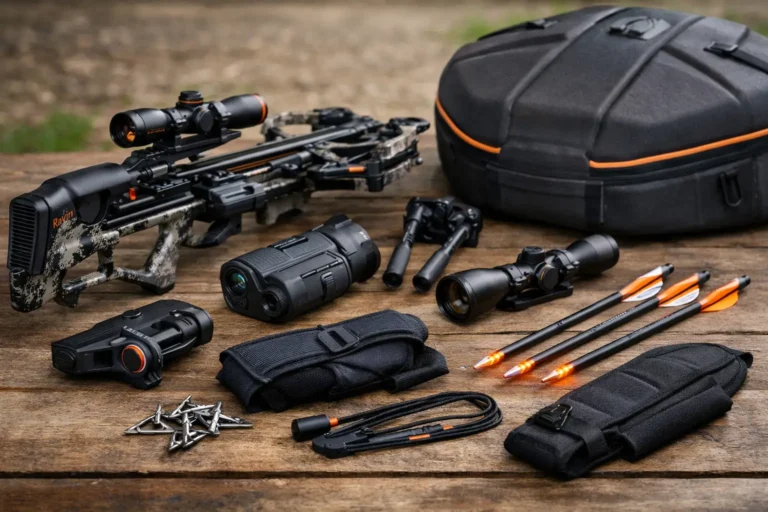
Follow Ravin’s maintenance schedule for string and cable inspection or replacement, and use only components approved for your model. The R10, R29X, R50, and R500 families are not interchangeable in every detail. Using the wrong bolts, accessories, or replacement parts can create problems that look like cocking trouble but are really a fitment issue.
For a new buyer, this is also worth considering when comparing Ravin models. The compact, fast platforms deliver real benefits for whitetail hunting, but they reward careful handling. If you want the simplest path, compare each model’s cocking setup, overall weight, and service needs before buying instead of choosing on speed alone.
When to Call for Service
Get qualified help if the crank skips or grinds, the string will not latch, a cable looks displaced, the bow was dropped, or any part of the cocking system is visibly worn or damaged. Keep the model name and serial number handy, explain exactly what happened, and note whether the bow was cocked, fired, transported, or exposed to weather when the issue began.
That information helps a technician diagnose the problem faster and keeps you from guessing at a high-tension system. A Ravin should cock smoothly and consistently. If it does not, park it until you know why. A missed morning in the stand is cheaper than a ruined crossbow or a preventable injury.