Disaster Preparedness Basics at Home
The lights go out at 8:17 p.m. Your phone battery is at 23 percent. The tap still runs, but you are not sure for how long. That is when disaster preparedness basics at home stop being a nice idea and start being a real-world skill.
Most people do not need a bunker. They need a workable plan, a few dependable supplies, and gear that still does its job when conditions get ugly. If you are just getting started, the goal is simple – cover the basics that keep you alive, safe, and functional for at least 72 hours, then build from there.
What disaster preparedness basics at home really mean
Preparedness at home is not about collecting random gear or chasing worst-case fantasies. It means setting up your household to handle common disruptions like storms, power outages, water service problems, wildfire smoke, ice events, and short-notice evacuations.
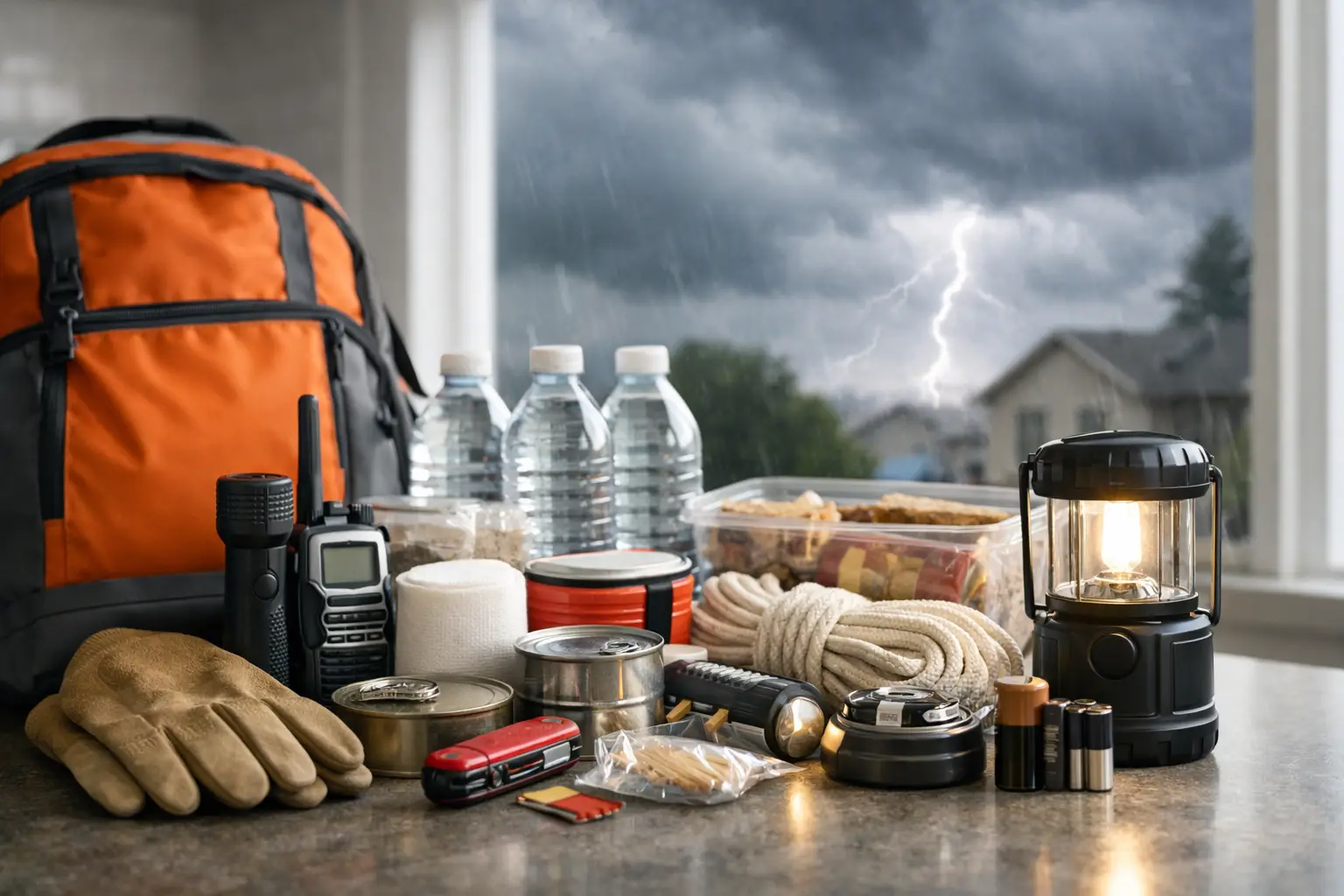
A good home setup covers six practical areas: water, food, light and power, shelter and warmth, medical needs, and communication. If one of those is weak, your whole plan gets shaky fast. The trick is to build a system, not a pile.
Start with water first
If your home preparedness plan has one priority, it is water. You can go longer without food than without safe drinking water, and many home emergencies affect the water supply faster than people expect.
A solid starting point is one gallon per person per day for at least three days. More is better, especially if you have kids, pets, hot weather, or anyone in the house with medical needs. Stored water is the easiest layer. Durable water containers, stackable jugs, and clearly labeled reserve water beat flimsy bottles tossed in a closet.
Storage alone is not enough. You also want a backup way to make questionable water safer. That is where real gear matters. A reliable water filter, purification tablets, or both give you options if your stored supply runs short. If you live in an apartment, your strategy may lean more on compact storage and portable filtration. If you have space, larger reserve containers make more sense.
Food should be simple, stable, and familiar
Emergency food is where people waste money fast. They buy specialty kits they never test, then realize too late nobody in the house wants to eat them. Better home preparedness starts with shelf-stable food your family already knows how to use.
Think canned meals, rice, beans, oats, pasta, peanut butter, electrolyte drink mix, and ready-to-eat items that do not require refrigeration. If the power is out, cooking may become a problem, so some of your food supply should be edible cold or with minimal heating.
There is a trade-off here. Grocery-store staples are cheaper and easier to rotate, but they can be heavy and bulky. Packaged emergency meals save space and often last longer, but cost more and may need hot water. A balanced setup usually works best. Keep practical pantry food for shorter events and add a compact backup food kit for when things stretch longer than expected.
Light and power are not luxury items
When the power goes out, small problems get big fast. You lose lights, charging, internet, refrigeration, and sometimes heat or cooling. That is why power belongs near the top of any disaster preparedness basics at home checklist.
Start with dependable lighting. A quality flashlight for each adult, one or two area lanterns, and extra batteries will handle most short outages. Headlamps are even better for hands-free work. Cheap lights fail at the worst time, so this is one place where buying decent gear pays off.
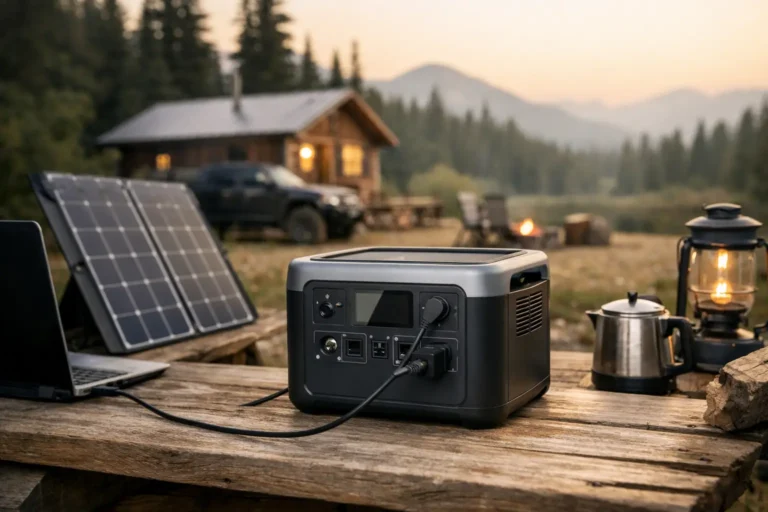
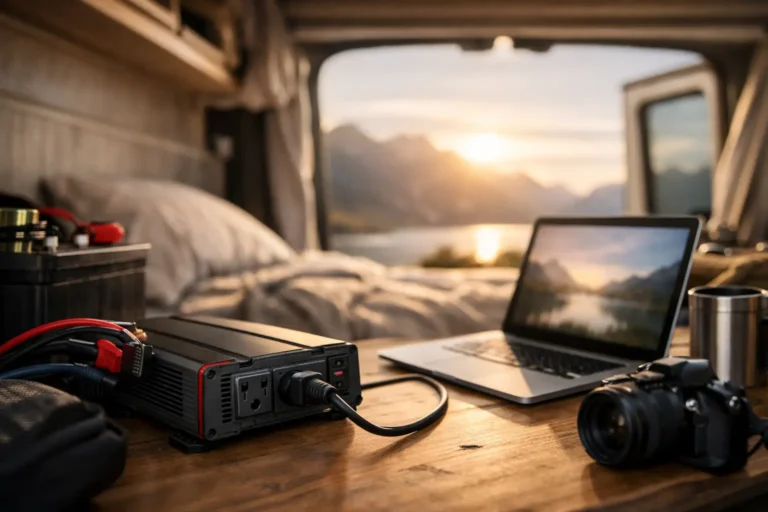
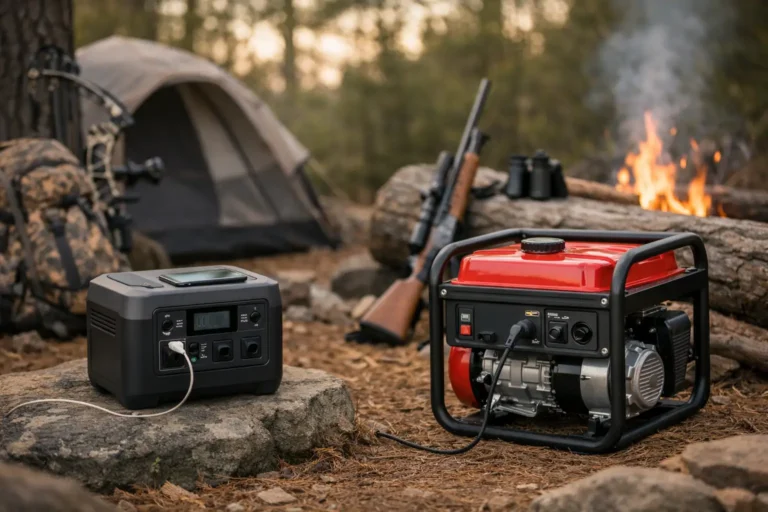
For power, the right setup depends on how you live. A portable power station makes a lot of sense for apartments, suburban homes, van life, and anyone who wants quiet indoor-safe backup power. It can keep phones, radios, lights, small medical devices, and some basic appliances running without the mess and fuel storage issues of a gas generator. If your priority is keeping a fridge cold or running more demanding loads, your backup plan needs to be sized around that reality, not wishful thinking.
Keep charging cables, wall adapters, and a 12V car charger together in one bin. During a stressful event, losing a cable can be as annoying as losing power.
Shelter at home means heat, cooling, and protection
People hear the word shelter and think tents. At home, shelter is more about keeping your indoor space livable when utilities fail or outside conditions get dangerous.
In winter, that means blankets, sleeping bags, layered clothing, and a safe plan for staying warm in one closed-off room instead of trying to heat the whole house. In summer, it may mean battery-powered fans, blackout coverings, extra water, and knowing which part of the house stays coolest. If wildfire smoke is common in your region, air quality matters as much as temperature.
This is one of those areas where location changes everything. A family in Arizona needs a different home setup than a family in Minnesota. The principle stays the same – prepare for the conditions most likely to hit your area first, then add capability for lower-probability events later.
Build a medical kit for your actual household
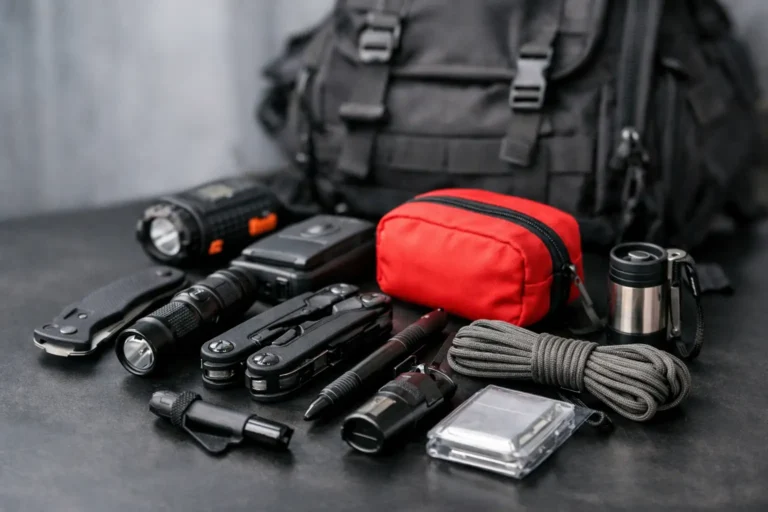
A real home medical kit should match the people living in the house. That means prescription meds, spare glasses, basic wound care, pain relief, allergy meds, and any condition-specific items you rely on. A generic first aid pouch is a start, not a complete answer.
Keep one main medical kit at home and a smaller grab-and-go version near your exit point. Make sure everyone knows where they are. In a stressful moment, hidden gear is useless gear.
If you have kids, your kit should reflect that. If you have pets, same deal. Add what your household actually uses, not what looks impressive online. No hype. Just useful equipment you can reach fast.
Communication matters when information gets messy
Most people assume their phone will handle everything. Sometimes it will. Sometimes the battery dies, the network is jammed, or local information gets confusing fast.
At minimum, keep backup charging covered and write down important phone numbers on paper. A battery-powered or hand-crank weather radio gives you another source of information when the grid is unreliable. That matters more than people think, especially during severe storms, wildfires, and evacuation notices.
Your family should also know the plan. Where do you meet if cell service fails? Who checks on older relatives? If you need to leave, what goes in the vehicle first? These are simple questions, but answering them ahead of time removes a lot of chaos.
The best disaster preparedness basics at home follow a simple layout
A beginner-friendly home setup works best when gear is staged where you will actually use it. One central supply bin in an easy-to-reach spot is better than scattering items across five closets. Flashlights should be easy to grab in the dark. Water should not be blocked by holiday decorations. Medical gear should be visible and labeled.
A practical layout usually includes a home bin for core supplies, a kitchen section for food and water prep, and a small evacuation kit in case staying put stops being the safe option. If your home has multiple floors, keep at least basic lighting and first aid on each one.
Organization sounds boring until the power is out and you are searching for batteries with a phone flashlight in your mouth. Simple beats fancy.
Buy in stages, not in panic
The fastest way to build a bad preparedness setup is panic buying after a storm warning. Prices jump, inventory gets picked over, and people grab whatever looks tactical instead of what solves the problem.
A better approach is to build in layers. Start with water storage and filtration, then add lighting, power backup, food, first aid, and seasonal shelter items. After that, upgrade weak points. Maybe your flashlight is cheap. Maybe your backup power is too small. Maybe your food plan depends too much on cooking.
This is also where good gear research matters. Dark Justice Survival focuses on real-world equipment for exactly this reason. Beginners do better when they can compare tested options instead of guessing from marketing copy.
Practice once before you need it
You do not need to turn your weekend into a full disaster drill. Just test the basics. Run your lights on battery power. Charge your devices from your backup source. Eat one meal from your stored food. Make sure your water containers are full and your filter is where you think it is.
That one practice round will show you the holes in your setup faster than any checklist. Maybe the lantern is dim. Maybe the food opener is missing. Maybe your power station handles phones just fine but struggles with anything larger. Better to learn that on a calm Saturday than during a storm.
Preparedness at home is not about looking ready. It is about reducing friction when life gets rough. Start with what keeps you alive, choose gear that works, and build a system your household can actually use when the pressure is on.