How to Keep Your Home From Looking Like an Easy Target After a Storm
A storm can leave your property looking abandoned long before you have time to fully repair it. A tarp flapping off the roof, a dark porch light, a garage door stuck halfway open, or debris piled at the curb all signal disruption. Knowing how to keep your home from looking like an easy target after a storm is not about panic. It is about making fast, visible moves that show the home is occupied, monitored, and being maintained.
The goal is not to turn your place into a fortress. Most homeowners need practical steps they can handle while dealing with insurance calls, power outages, and cleanup. Start with the obvious weak signals, then work inward toward doors, valuables, and the equipment you store for hunting season.
Fix the Signals That Make a Home Look Vacant
After severe weather, criminals often look for opportunity, not a specific house. They notice homes where damage is visible, activity is low, and entry points appear neglected. You do not need every repair completed immediately. You do need to prevent temporary damage from looking like permanent abandonment.
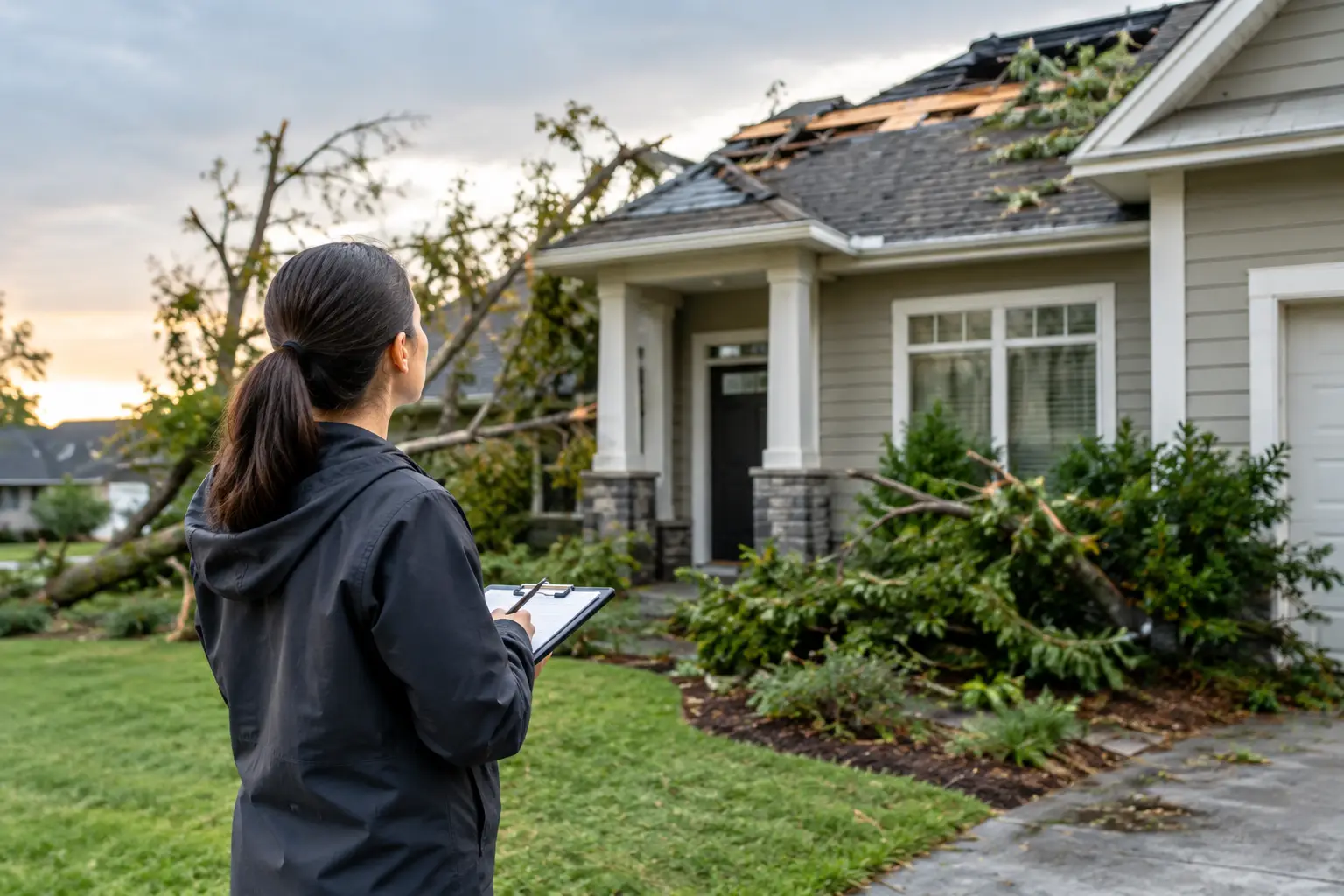
Walk to the street and look at your house the way a stranger would. Check for broken windows, open gates, damaged screens, loose garage doors, mail piling up, and large pieces of debris blocking walkways. If you cannot fix something right away, make it look managed. Board or cover broken windows cleanly, secure a tarp tightly, and keep a visible path from the driveway to the front door.
A sloppy repair can still be better than an exposed opening, but neat temporary work sends a stronger message. Use proper exterior-grade materials where possible and remove torn plastic, scattered shingles, and fallen limbs from highly visible areas first. The back corner of the yard can wait. The front door, driveway, and ground-floor windows cannot.
Keep the Property Looking Active at Night
Storm damage and power loss create dark properties, and darkness makes it harder for neighbors to notice suspicious activity. Restore exterior lighting as soon as it is safe. If utility power is out, use battery-powered motion lights or temporary solar lights around primary entrances, the driveway, and the side gate.
Do not light every inch of the yard like a stadium. That can create glare and deep shadows while advertising that you are worried. Focus on the places someone would need to approach, open, or carry something through. A lit front entry, visible house number, and motion-activated light near the garage cover the basics.
If your regular lights are working, verify that timers and smart controls survived the outage. Resetting a timer takes minutes. Leaving the house dark for several nights because the schedule was wiped out can make it appear empty.
Secure Doors, Windows, and the Garage Before Cleanup Gets Busy
Storm cleanup pulls people outside, onto roofs, or into the yard. That activity can distract you from a side door that does not latch or a garage that has become a convenient open storage bay. Before you start the bigger jobs, make a quick security pass.
Check every exterior door for a solid latch and working deadbolt. If a frame is cracked, a strike plate is loose, or wind damage prevents the door from closing tightly, reinforce or repair it before nightfall. For damaged windows, cover openings from the inside when possible, then secure the outside against weather. This makes it harder for someone to simply pull back a loose covering.
The garage deserves special attention. Do not leave tools, fuel cans, generators, coolers, or hunting gear exposed while you run errands for supplies. If the main garage door will not close, move valuables into the house or a locked shed, and use a temporary barrier only as a short-term stopgap. A tarp across an open garage keeps rain out. It does very little to stop theft.
Do Not Advertise What You Are Replacing
The curb can tell a stranger exactly what is inside your home. Boxes from new electronics, power equipment, or appliances are useful packaging to you and a shopping list to someone else. Break them down, turn labels inward, or store them until regular trash pickup.
The same rule applies to cleanup piles. Keep metal, power tools, chainsaws, and portable equipment out of plain view. If you are sorting damaged items in the driveway, bring high-value gear back inside before you stop for the day. Storm work is exhausting, and that is when people leave equipment out “just until morning.”
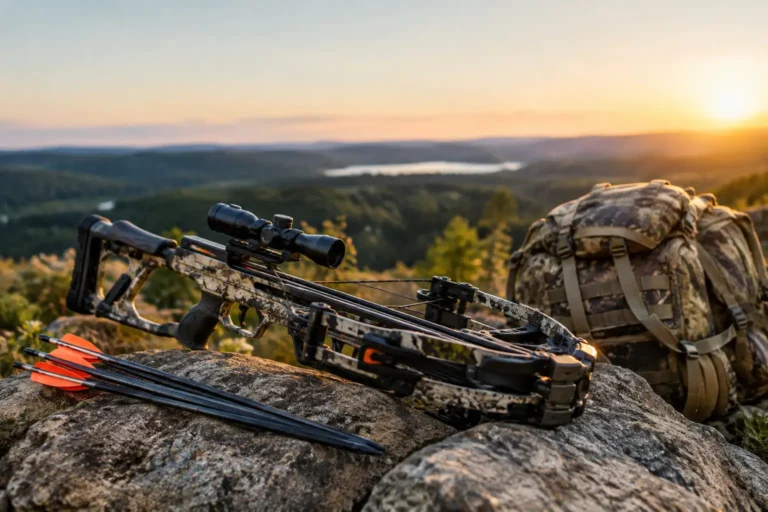
For hunters, this includes crossbows, optics, cases, and accessories. If your hunting room, garage cabinet, or vehicle was disturbed by the storm, account for the gear immediately. A Ravin crossbow should be unloaded, stored in its case or a locked cabinet, and kept out of sight while repairs are underway. Treat it as valuable sporting equipment, not as a visible security prop. Leaving any weapon where it can be seen or accessed creates more problems than it solves.
Make Sure Someone Can Notice Trouble
A home looks less vulnerable when there is an active network around it. Let a trusted neighbor know if you will be away dealing with work, family, or repairs. Give them a simple request: call or text if they see someone checking doors, loading items into a vehicle, or lingering around the property without a clear reason.
This works best when you are specific. “Keep an eye out” is vague. “We have a damaged rear window covered until Friday, and nobody should be working there after dark” gives a neighbor something useful to watch for.
If you have cameras, confirm they are online after the outage and that the right areas are in view. Storm debris can block a lens, shift a mount, or cut off a Wi-Fi connection. Cameras are helpful for documentation and awareness, but they do not replace locked doors or a neighbor who sees something happening in real time.
Be Careful With Contractors and Unexpected Visitors
After major storms, legitimate contractors are busy, and scammers know it. Be cautious with anyone who appears uninvited, pressures you to sign immediately, demands cash, or claims they can handle your insurance company without paperwork.
Do not discuss valuables, travel plans, or the full extent of your damage with strangers at the door. If you need repairs, verify who you are dealing with before allowing access to the property. Take photos of identification, vehicles, and work areas when appropriate, and keep records of estimates and payments.
There is a trade-off here. You may need quick emergency work to prevent water damage, and waiting too long can cost you. That does not mean skipping basic verification. A real professional can provide clear contact information, explain the scope of work, and respect a homeowner who wants details in writing.
Build a Short Storm-Afternoon Routine
The first day after a storm is where most of the useful work happens. Once conditions are safe, make one pass around the exterior before you get buried in larger repairs. Secure accessible openings, remove visible valuables, restore basic lighting, and photograph the damage for insurance.
Then repeat a smaller check before dark. Are doors locked? Is the garage closed or secured? Are tools picked up? Are temporary window covers still attached? Has debris shifted and created a new path to a window or side entrance? This takes less than ten minutes, and it prevents the “we were too tired to notice” mistakes that happen after a long cleanup day.
You cannot control the weather or make storm damage disappear overnight. You can make your home look occupied, organized, and difficult to approach without being noticed. That is the practical standard: handle the obvious weak points, keep valuable gear secured, and give yourself one less problem to deal with while the real repairs get done.