What Items Are Worth Most for Bartering After Disaster
A disaster does not turn every useful object into currency. It changes what people need right now, what they cannot replace, and what they trust enough to accept in a trade. If you are asking what items are worth the most for bartering after a disaster, skip the movie-prop mindset. A pile of random gear is not wealth. Useful, familiar, divisible supplies are.
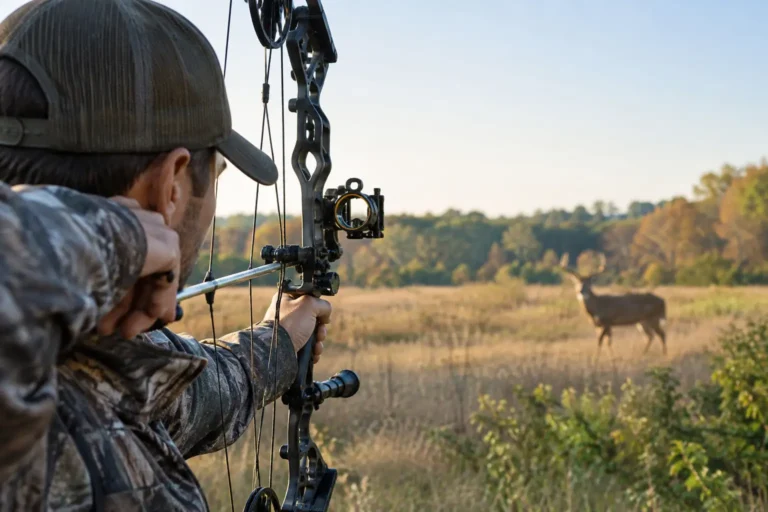
For hunters, there is another hard truth: your hunting equipment may be valuable, but selling the wrong piece of it can cut off your ability to put food on the table. Barter planning is not about trading everything you own. It is about carrying enough trade goods to meet short-term needs without giving away the tools that keep you capable.
What items are worth the most for bartering after a disaster?
The best barter items solve immediate problems. They are easy to recognize, difficult to make at home, compact enough to carry, and useful to more than one person. A good barter item also has a predictable condition. Nobody wants to gamble on whether an unmarked bottle, improvised repair part, or questionable food item is still good.
In most local emergencies, practical consumables beat luxury goods. The value is in use, not rarity. A box of matches, a bottle of water treatment tablets, or a roll of quality cordage can be more valuable than an expensive collectible because the person accepting it knows exactly what it does.
The items below are worth considering because they meet that real-world test.
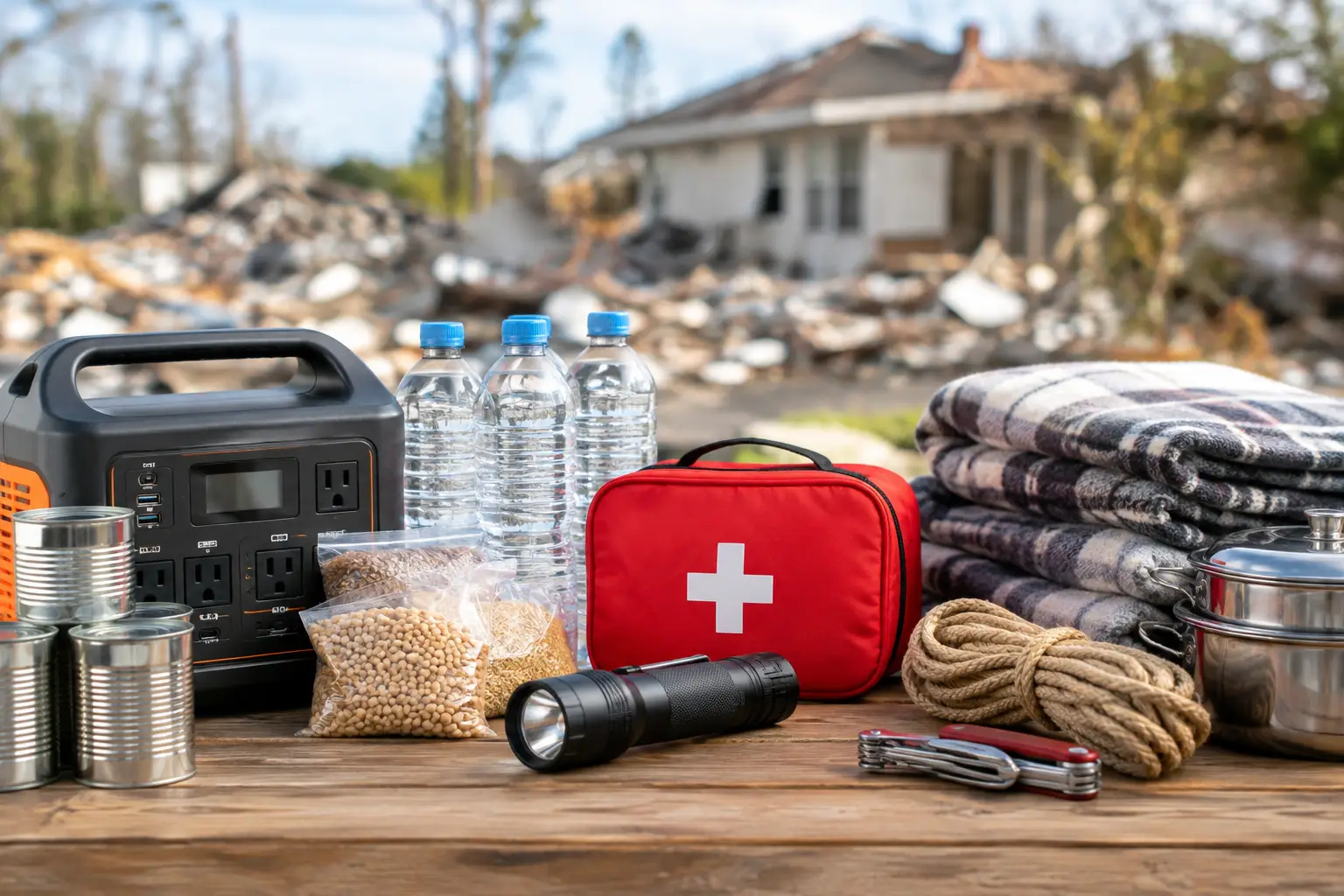
- Water treatment supplies: Individually packaged purification tablets, compact filters, and unscented household bleach in clearly labeled original containers can become valuable fast when municipal water is unreliable. Small trade units matter. One large filter is useful, but several sealed tablet packs give you more flexibility.
- Fire-starting supplies: Disposable lighters, stormproof matches, ferro rods, and dry tinder are easy to store and universally understood. Keep them sealed and dry. Fire is not just about warmth. It supports cooking, light, morale, and basic sanitation.
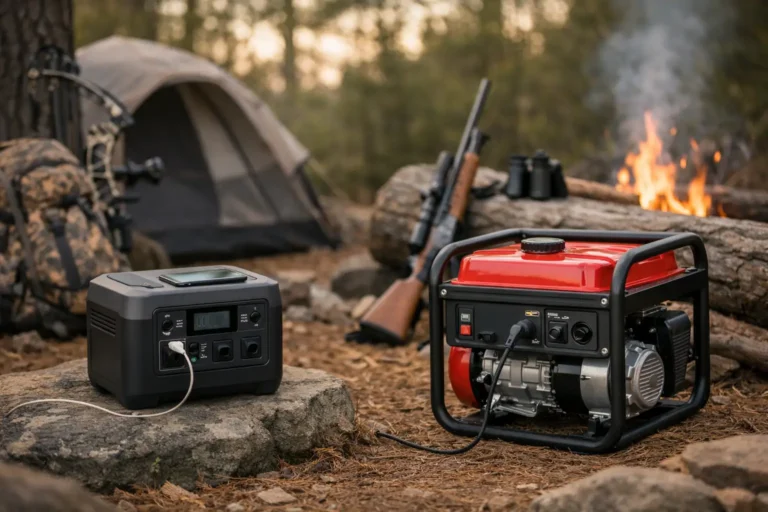
- Batteries and charging basics: Common battery sizes, especially AA and AAA, have broad value because they support lights, radios, headlamps, and small medical devices. New, sealed packages carry more trust than loose batteries from a drawer.
- Hygiene and sanitation items: Soap, toilet paper, feminine hygiene products, toothbrushes, trash bags, and gloves are not glamorous. That is exactly why many people understock them. In a longer disruption, these can be better trade goods than novelty survival gadgets.
- Food staples and seasonings: Salt, sugar, coffee, cooking oil, shelf-stable protein, and single-use drink mixes all have practical value. Trade sealed, plainly labeled items with dates intact. Do not expect others to trust repackaged food.
- Medical basics: Adhesive bandages, gauze, antiseptic wipes, over-the-counter pain relievers, and electrolyte packets can be useful barter stock. Keep the packaging intact and do not trade prescription medication. Beyond legal and safety concerns, you cannot know another person’s medical history.
- Repair supplies: Duct tape, zip ties, sewing kits, work gloves, paracord, screws, nails, and hand-tool consumables become more valuable as broken equipment piles up. Small repair kits are easier to trade than one massive roll or bulk box.
The common thread is simple: these goods are practical, standardized, and consumable. Once used, they are gone. That keeps demand alive.
Hunting gear has value, but it is not all trade stock
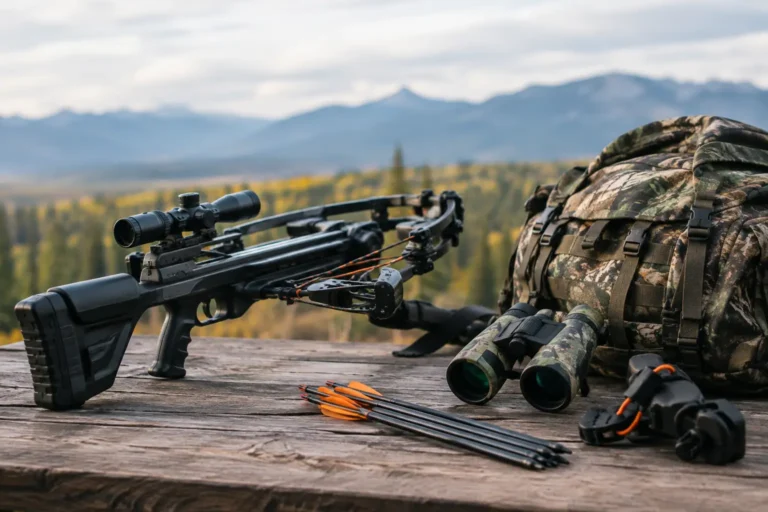
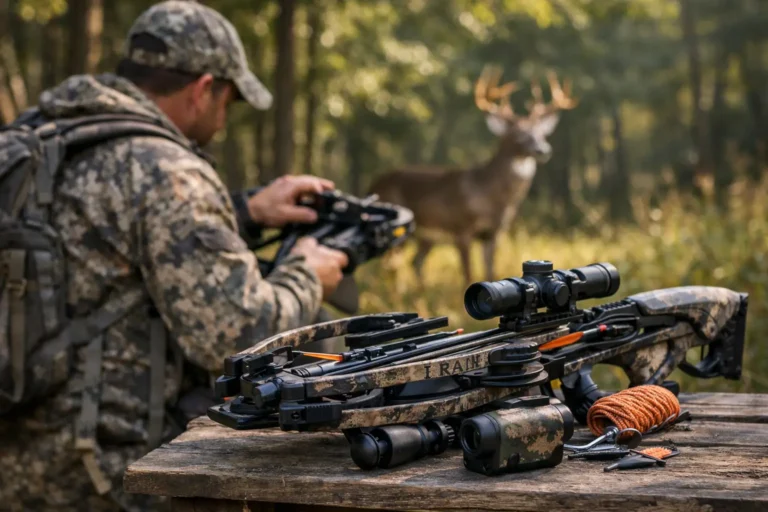
For a crossbow hunter, it is tempting to view a crossbow as a premium barter item. It can be, but that does not mean it should be. A dependable crossbow supports hunting without the report and ammunition requirements of a firearm. In a serious disruption, that capability may be worth more to your household than almost anything you could receive for it.
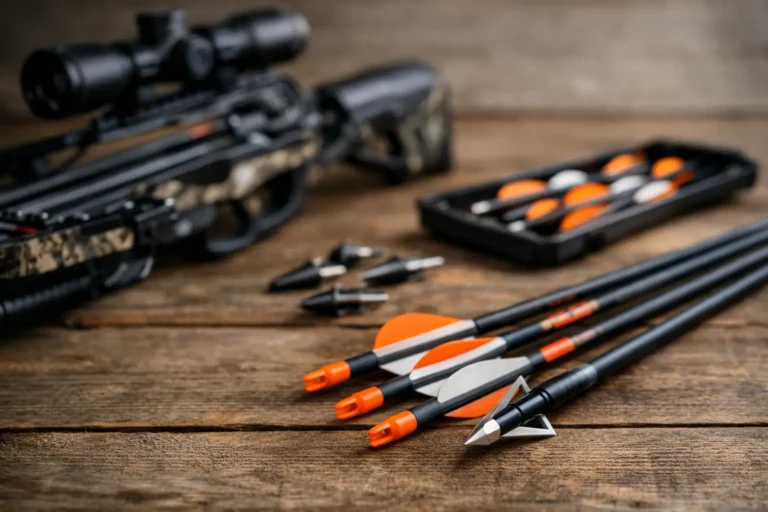
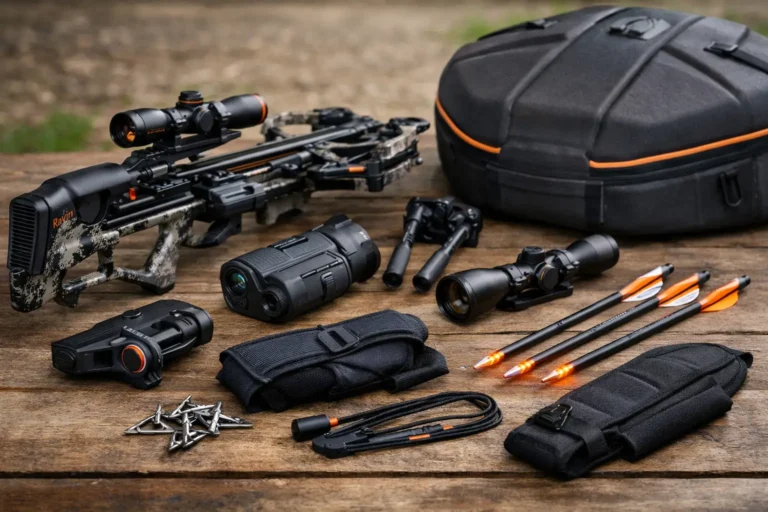
Treat your primary hunting setup as a retained asset, not casual trade inventory. That includes the crossbow, optic, cocking system, bolts, broadheads, string-care supplies, and the parts needed to keep the system operating safely. A fast sale for food or fuel can look smart in the moment, then become a bad decision when you no longer have a reliable hunting option.
A Ravin crossbow is a good example. Its precision and compact hunting performance can make it highly desirable to the right buyer, but the same features make it a poor item to trade away if it is the tool you rely on for deer hunting. The better plan is to maintain your own equipment, carry spare consumables for your setup, and avoid making promises to trade specialized parts that you may need later.
There is a second issue: specialized gear has a narrower market. A person who understands crossbows may see the value in quality bolts, broadheads, rail lubricant, or a properly maintained hunting rig. Someone focused on water, medication, or heat may not care at all. Barter value is local and situational. A premium piece of hunting equipment is not automatically liquid.
Trade capability, not your last working tool
The strongest barter position comes from having duplicates of common needs while protecting your core capabilities. Think in layers.
First, keep supplies for your own household. This is not hoarding. It is basic planning. If you have two weeks of hygiene supplies and trade half on day one, you have made your own situation worse.
Second, set aside a separate barter cache. Keep it modest, organized, and made of items you can afford to trade. Sealed batteries, lighters, soap, water treatment tablets, and repair supplies make more sense here than your only hunting optic or your last box of broadheads.
Third, consider what you can do, not only what you can hand over. The person who can repair a torn pack, sharpen a blade, process game cleanly, or help diagnose a gear problem may have more long-term trade value than someone with a garage full of stuff. Do not advertise every skill you have, but understand that competence travels well.
What makes a fair barter deal?
There is no universal price list after a disaster. A bottle of water may be nearly worthless before a storm and priceless after water service fails. The key is to measure a deal against replacement difficulty and personal need, not retail price.
Before trading, ask three blunt questions. Can I replace this item? Will I need it before normal services return? Does the item I am receiving solve a more urgent problem than the one I am giving up? If the answer is not clear, wait.
Avoid trading under pressure when possible. Desperation creates bad deals and attracts people looking to exploit it. Meet in a visible, controlled location, inspect items before handing yours over, and keep transactions simple. You do not need to show strangers your storage location, your vehicle, or the full extent of your supplies.
Also avoid setting a pattern that makes you look like a walking supply depot. If neighbors know you will trade anything, they may return with bigger demands or bring people you do not know. Be helpful where you can, but keep boundaries.
Build barter stock around your hunting plan
Hunters already understand consumables. Bolts get damaged, broadheads need inspection, strings require care, and a hunting setup only works when its supporting gear is ready. Apply that same mindset to barter goods. Buy useful items in reasonable quantities, keep them dry and labeled, rotate dated products, and break bulk purchases into small trade-ready units.
Do not build a disaster barter kit around flashy items. Build it around things people will use the same day they receive them. Keep your primary crossbow hunting gear protected, maintained, and off the casual trade table. In a hard situation, your best deal may be the one that preserves your ability to provide tomorrow.