Van Life Power Redundancy: How to Never Lose Power Off-Grid
Off-grid power fails when you rely on one system. This page shows how real van setups stay powered using redundancy—not hype, not oversized builds, and not influencer fantasy.
Primary Power
What runs your van day-to-day
Solar or alternator power that handles normal usage when conditions are good.
Secondary Backup
What takes over when conditions change
A second power source that works when solar, driving, or weather fails.
Emergency Fallback
What saves you when everything else stops
Independent power that works when you’re parked, stuck, or systems go down.
Rule: If any one of these is missing, you don’t have a power system—you have a risk.

⚠️ Failure Scenario #1: Solar Stops Producing
Cloud cover, shade, winter sun angle, or dirty panels cut solar output to near zero.
What Fails:
☀️ Solar = ❌
Still have power because:
🚗 DC-to-DC charger (engine → battery)
Redundancy means the sun doesn’t decide whether you have power.
⚠️ Failure Scenario #2: No Shore Power Available
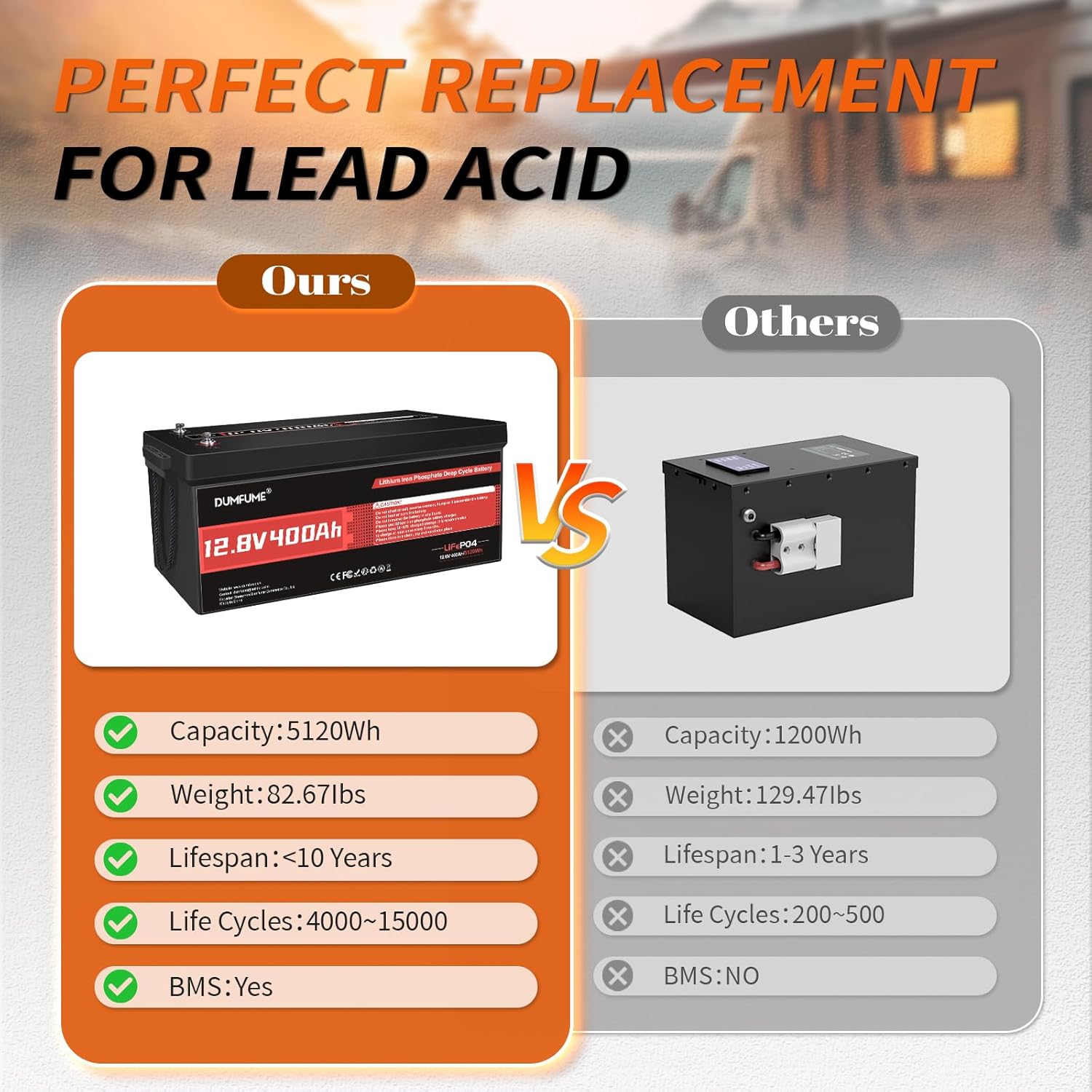
Having batteries or 400AH at lease give you power you can count on.
What Fails:
🔌 Grid = ❌
Still have power because:
🚗 DC-to-DC charger
🔋 Stored LiFePO₄ capacity
✅ Works fully off-grid
You don’t lose power just because there’s no outlet.

⚠️ Failure Scenario #3: Battery Drains Faster Than Expected
Cold weather, inverter loss, phantom loads, or underestimated usage.
What Fails:
Single battery setups
Oversized appliances
What Still Works:
portable power stations
You don’t fix power loss by guessing—you fix it by seeing it.
What does “power redundancy” mean in van life?
Power redundancy means having more than one independent way to generate electricity so a single failure doesn’t leave you without power. In real off-grid van life, this usually means combining solar charging, vehicle charging (alternator or DC-DC), and at least one backup source like a portable power station or small inverter generator. If one system fails, the others keep you operational.
Why isn’t solar power alone enough for off-grid van life?
Solar power can fail due to weather, shade, panel damage, wiring issues, or seasonal sun loss—especially in winter or wooded areas. Relying on solar alone is a single-point failure. Redundant systems ensure power during storms, breakdowns, or extended low-sun conditions, which is critical for refrigeration, communication, heat, and safety systems.
What is the minimum power setup to never lose power off-grid?
At minimum, a reliable off-grid setup includes:
Primary system: Solar + battery bank
Secondary system: Vehicle charging (DC-DC or alternator)
Emergency backup: Portable power station or generator
This layered approach ensures you can charge batteries, run essentials, and recover from failures without depending on hookups.
How these items are chosen
No sponsorships. No paid placements.
Gear is selected for reliability, availability, and real-world use.
Start with the basics:
Free Survival Checklist →
Emergency Preparedness Basics →