Build a 72-Hour Survival Kit That Actually Works
A Modular, No-Fluff System
This guide shows the functions your kit must cover and recommended gear options for each one. The function is non-negotiable — the exact product is your choice.
No hype. No gimmicks. Just practical recommendations you can build over time.
Jump to What You Need
Tap a category to jump straight to the items and recommended gear blocks.
Why This Isn’t a Pre-Made Kit
Most store-bought “72-hour kits” look complete but cut corners on the things that matter. This page is modular so you can choose reliable pieces, avoid filler, and build a kit that actually performs. Buy it all at once or build it over time.
5 Core Survival Functions (Non-Negotiable)
If any of these functions fail, everything else becomes harder or impossible. The gear listed below is recommended examples — the function is the must-have.
Water + Purification
Hydration first — plus a way to make questionable water safe.
Example Gear for Core Survival Functions
These five functions cover the non-negotiable needs of any reliable 72-hour system, regardless of brand or gear choice.
GRAYL UltraPress Water Purifier & Filter Bottle
Ultimate performance, portability, and convenience. Ideal for backpacking, hiking, outdoor recreation, and global travel

Lumen Ultra-Light Bright LED Rechargeable Headlight
You need dependable light for outages, navigation, and hands-free work.

BLAVOR Solar Power Bank 10,000mAh
Power is what makes your light and comms continue after day one.

Mini First Aid Kit - 120 Piece Small Waterproof Hard Shell Medical Kit
Minor injuries become big problems when help is delayed.

bayite 4 Inch Survival Ferrocerium Drilled Flint Fire Starter
Carry two ignition methods and a practical heat option for your climate.

5 Essential Functional Items of a 72Hour System
These support mobility, awareness, and problem-solving during a 72-hour disruption.
Knife / Cutting Tool
Cutting, repairs, food prep, and problem-solving when tools are limited.
Rope / Cordage
Shelter building, securing gear, repairs, and load management.
Emergency Communication
Information, weather alerts, coordination, and situational awareness.
Navigation / Awareness
Orientation, route planning, and avoiding unnecessary risk.
Example Gear for Essential Functional Items
These items support mobility, awareness, and problem-solving once the core survival functions are covered.
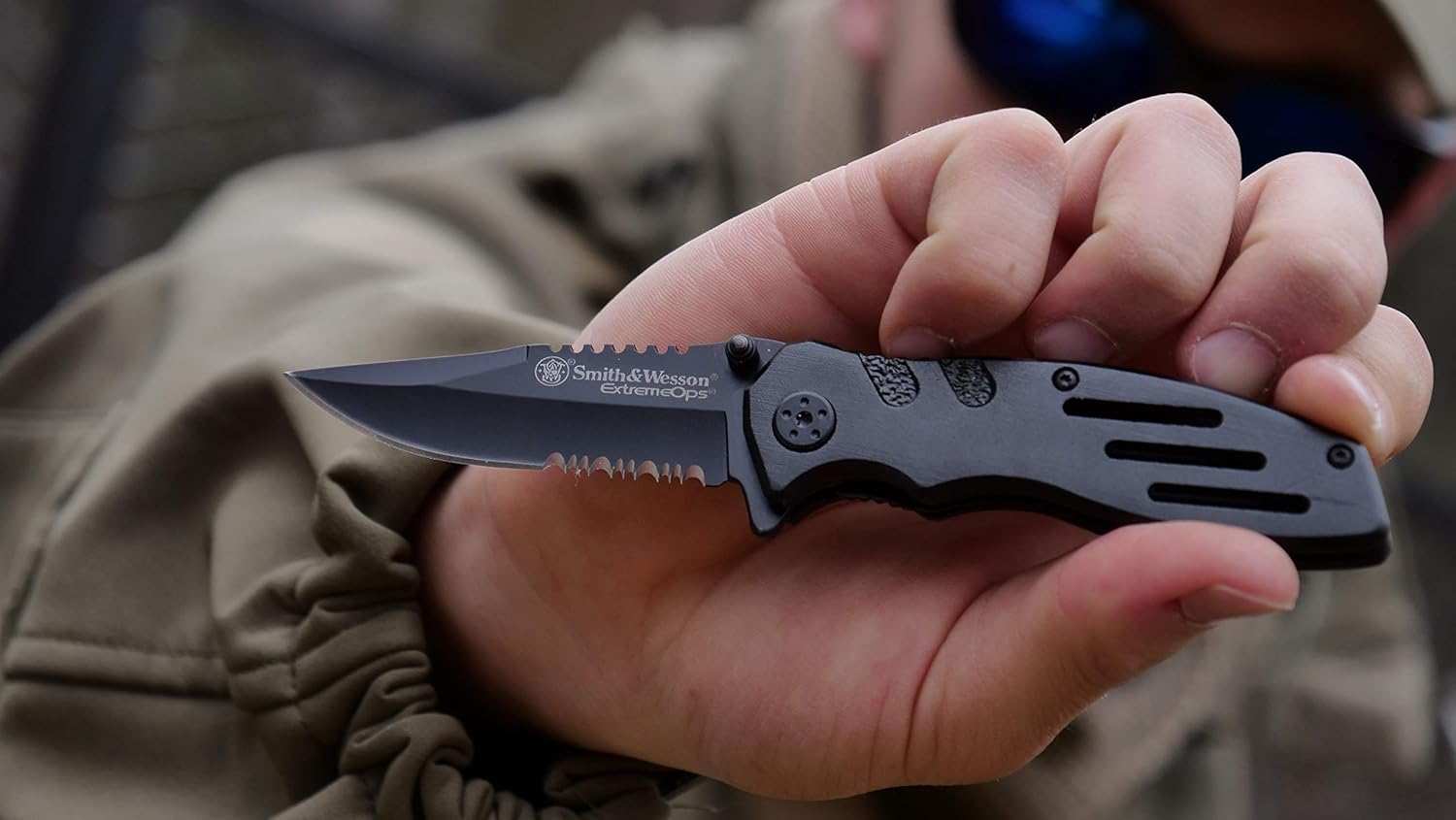
Smith & Wesson Extreme Ops Folding Knife
A compact cutting tool for repairs, food prep, and everyday problem-solving.
Amazon Basics 550 Type III Paracord
Reliable cordage for shelter, repairs, securing gear, and improvising solutions.

BAOFENG UV-5R+ Plus Two Way Radio
Backup communication and monitoring when cell service is unreliable or down.

Mountain House Chili Mac with Beef
Fast, simple calories you can eat hot or cold to keep energy and focus up.

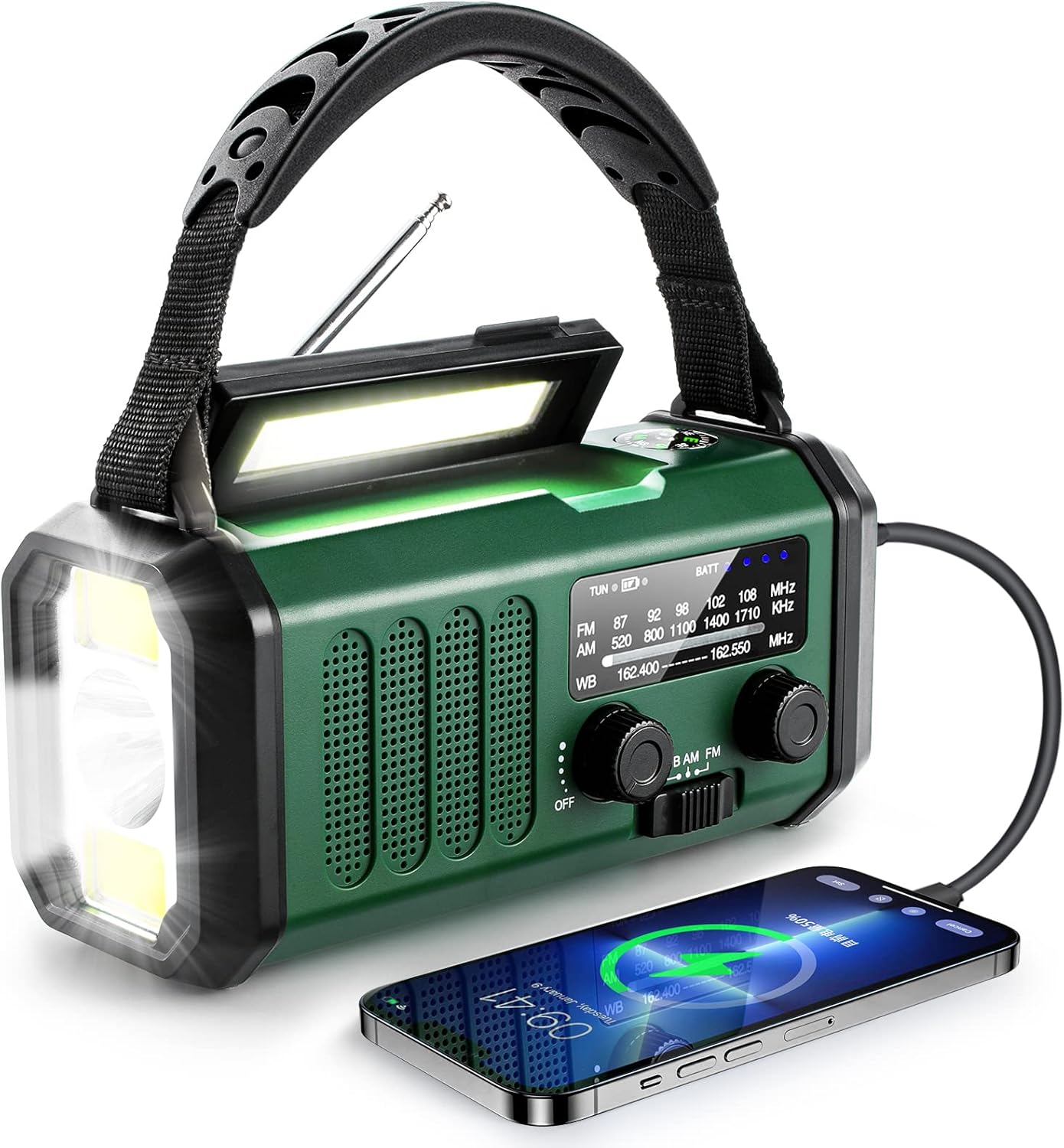
10000mAh Hand Crank Emergency Radio
built-in rechargeable battery with 10000 mAh for charging the mobile phone and tablet in an emergency
5 Comfort & Quality-of-Life Items of a 72Hour System
Sleep & Insulation
Warmth, ground insulation, and basic sleep comfort so your body can recover overnight.
Hygiene & Sanitation
Basic cleanliness, waste control, and staying sanitary without running water.
Weather Protection
Exposure drains energy and increases injury risk faster than almost anything else.
Clothing & Foot Care
Dry layers, foot protection, and small clothing items that prevent injury and slowdowns.
Morale & Mental Stability
Simple items that keep you calm, focused, and thinking clearly when conditions deteriorate.
Example Gear for Comfort & Quality-of-Life

11 Piece Kit with Oral Care and Grooming Essentials
Your Ultimate Travel Companion: Convenience Kit an all-in-one travel kit featuring 11 TRAVEL SIZE TOILETRIES

HEETA Dry Bag Waterproof for Women Men
Built with professional seamless technology, our dry bag keeps your items

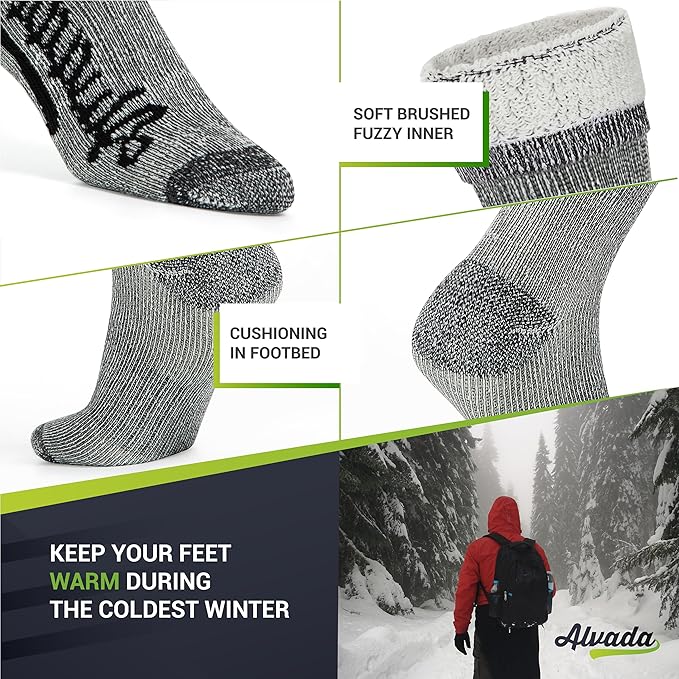
Alvada Merino Wool Hiking Socks Thermal Warm Crew
Winter Boot Sock For Men & Women 3 Pairs
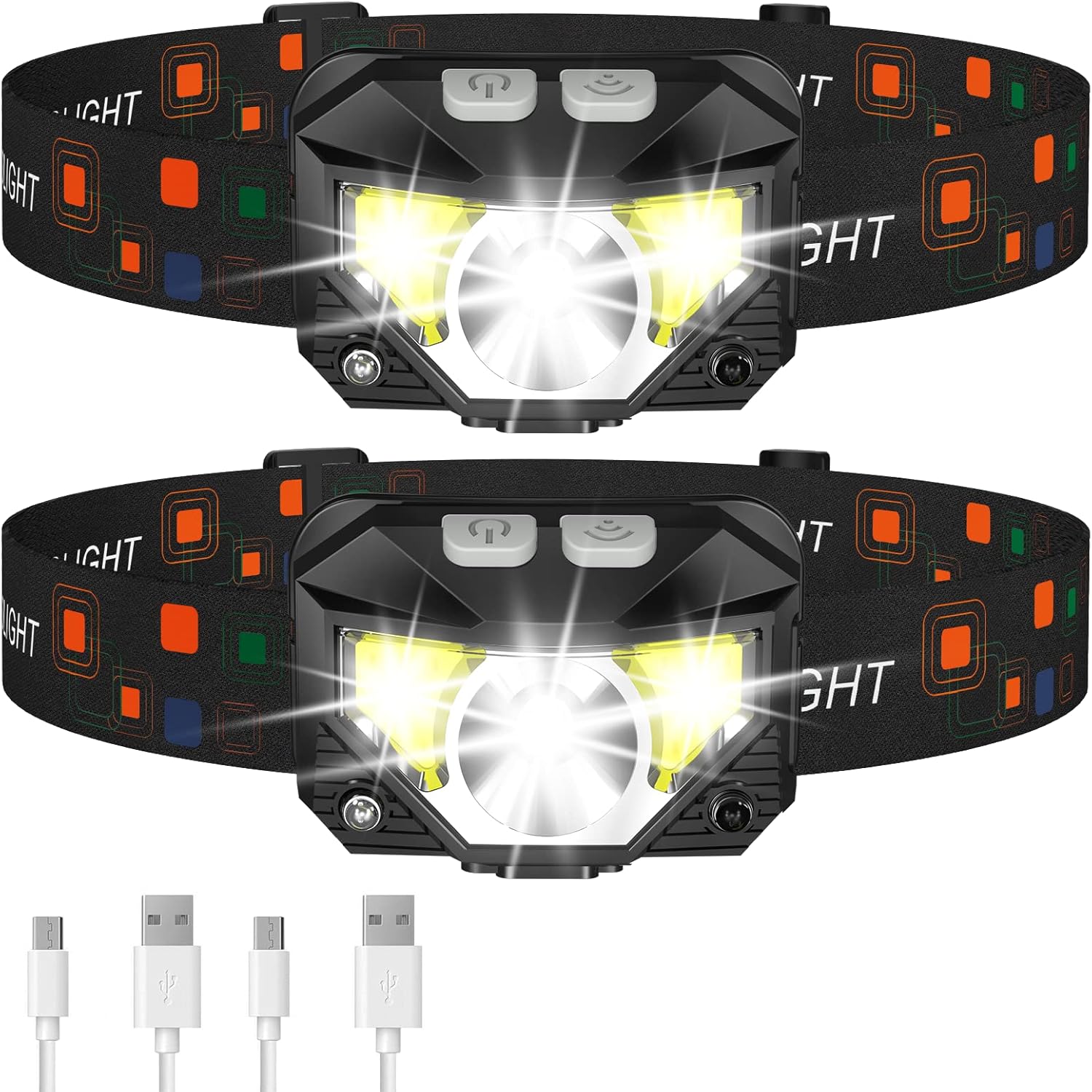
LHKNL Headlamp Flashlight
Morale isn’t just comfort — it’s confidence.
Reliable gear reduces stress by removing uncertainty when conditions deteriorate.
FAQ
Quick answers to the most common 72-hour bug-out bag questions.
What is a 72-hour bag supposed to do?
A 72-hour bag is built to keep you functional for three days during a disruption: safe drinking water, basic warmth, light, first aid, and the ability to move and solve problems without relying on stores or power.
Do I need to buy a pre-made kit?
No. Most pre-made kits look complete but underdeliver on core functions (water, light, power, and real first aid). Building modular lets you choose reliable pieces and upgrade over time.
How much should a 72-hour bag weigh?
There’s no single number because fitness and terrain matter. A good rule is: keep it light enough that you can carry it for an hour without needing a break. If it’s too heavy, you’ll abandon it or strip it down when it matters.
What matters more: food or water?
Water. Food helps energy and morale, but hydration and safe drinking water come first. Build water capacity + purification, then add simple, reliable calories.
Is a flashlight enough, or do I need a headlamp?
A headlamp covers hands-free work (moving, medical, repairs). A small flashlight can be your backup. The goal is reliable light with redundancy — not “max lumens.”
Should I rely on solar charging in an emergency?
Solar can help, but don’t treat it as your only plan. Weather, shade, and time make solar unreliable. Have a primary power bank and at least one backup method (spare batteries, hand-crank radio, or vehicle charging if applicable).
What’s the biggest mistake people make building a 72-hour bag?
Buying random items instead of covering functions. If your water plan fails, light fails, or first aid is weak, the “extra gear” doesn’t matter. Build function-first, then fill in comfort items that keep you functional.
How often should I check or refresh my bag?
Quick check every 3–6 months: batteries charged, food within date, meds current, and seasonal clothing updated. The best bag is the one that still works when you grab it.