
Best BLUETTI Power Station for Van Life
Choose based on what you actually run (fridge, fan, lights, laptops) and how you recharge (shore power, alternator, solar). This page routes you to the right BLUETTI class so you don’t buy too small or overspend.
Quick Answer
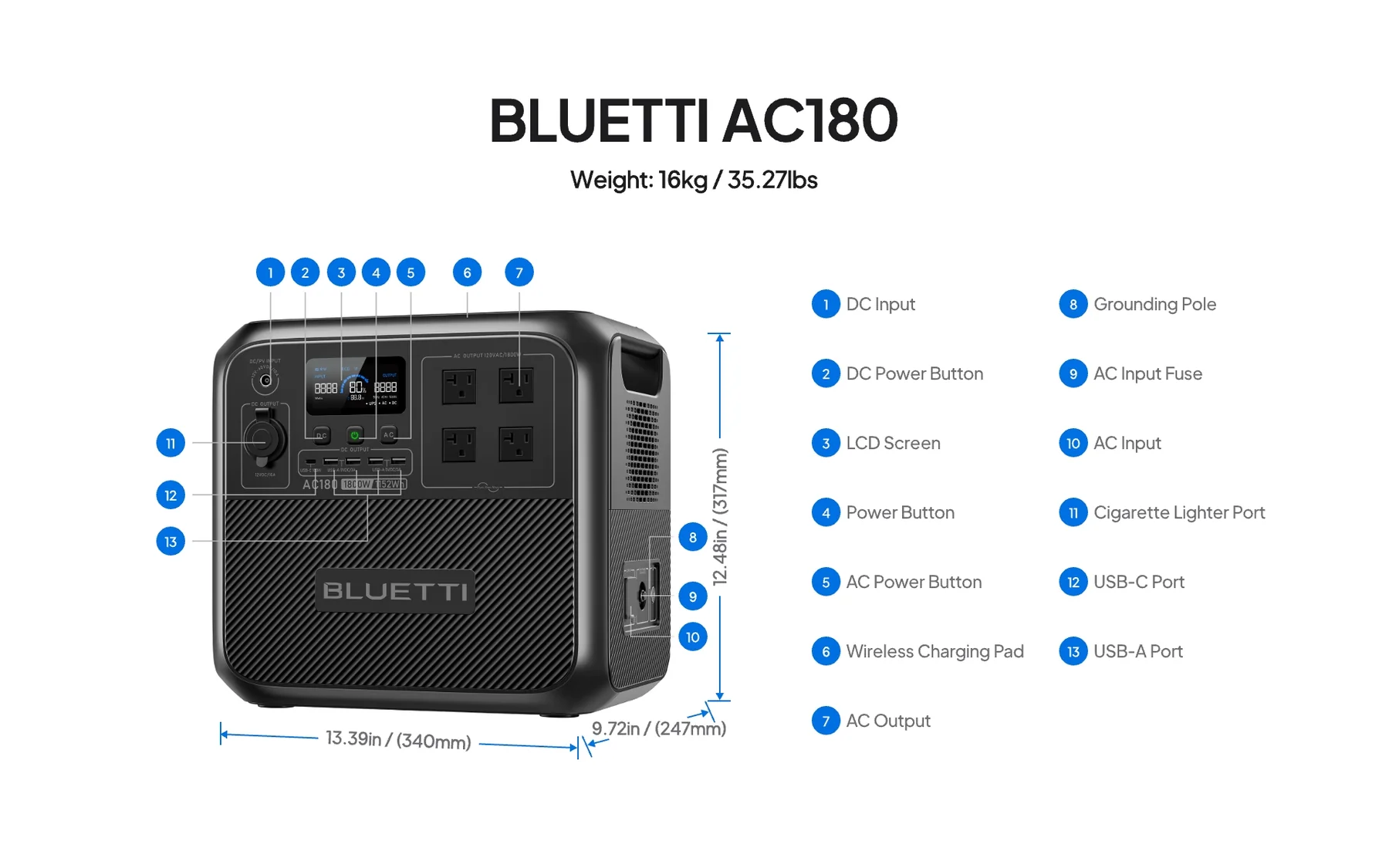
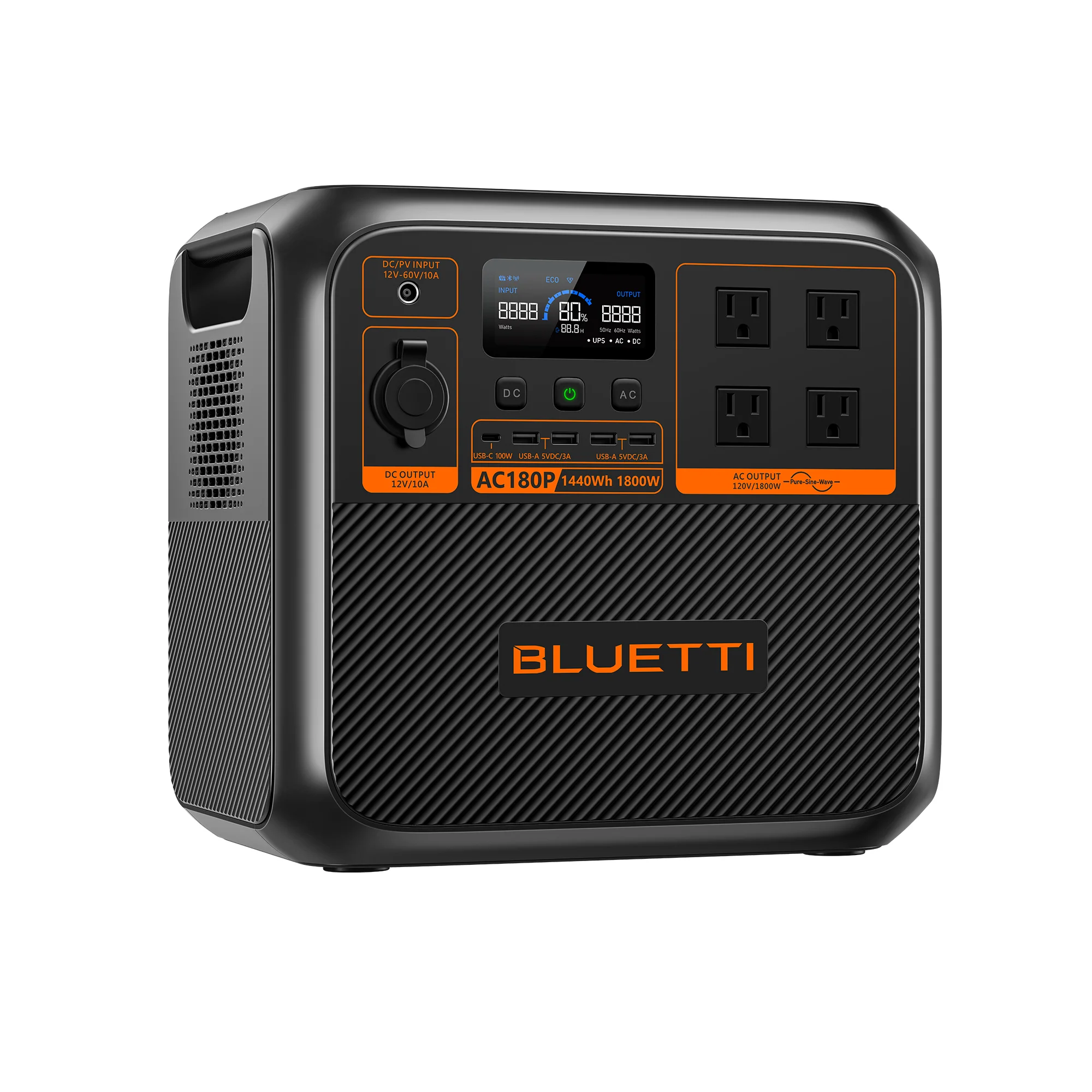
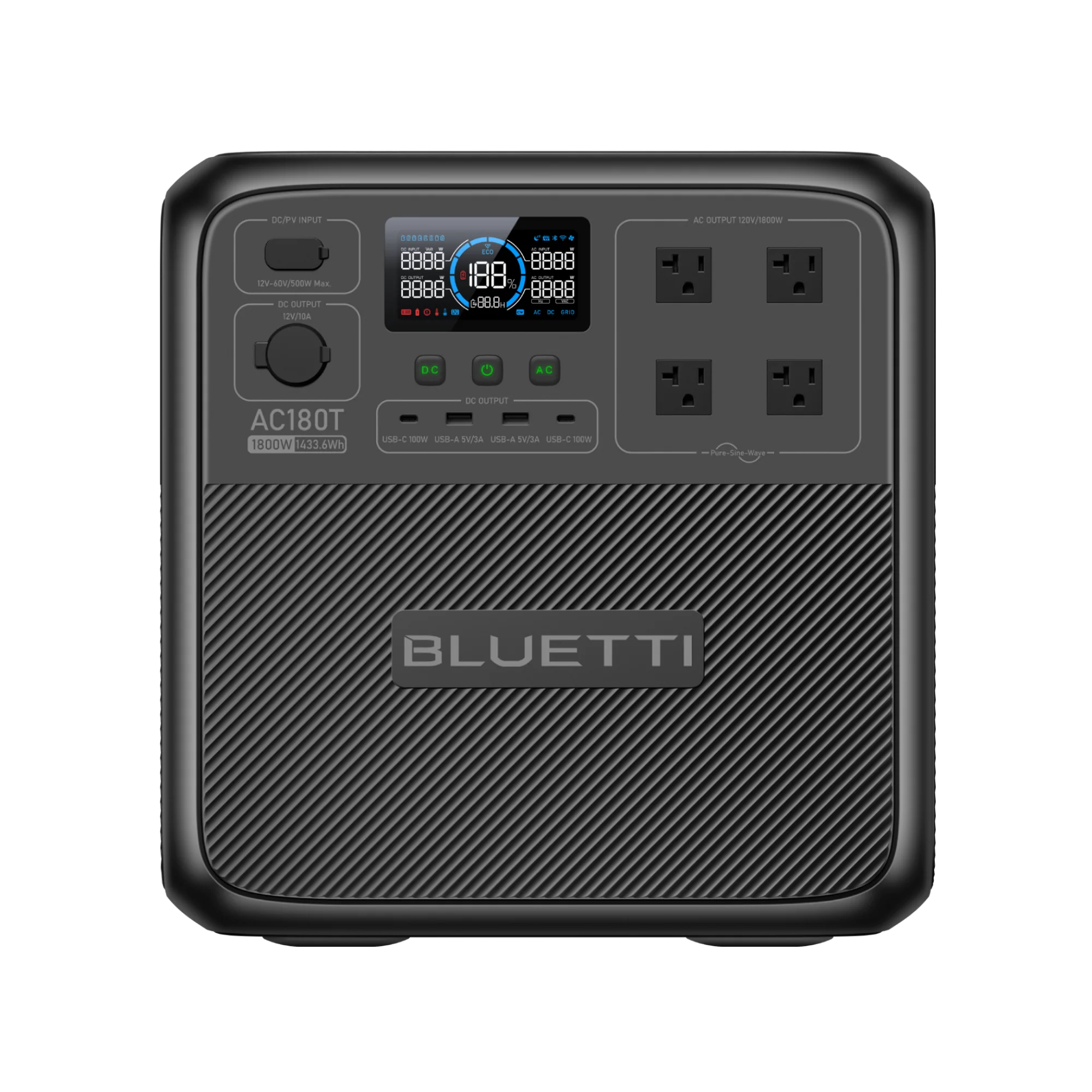
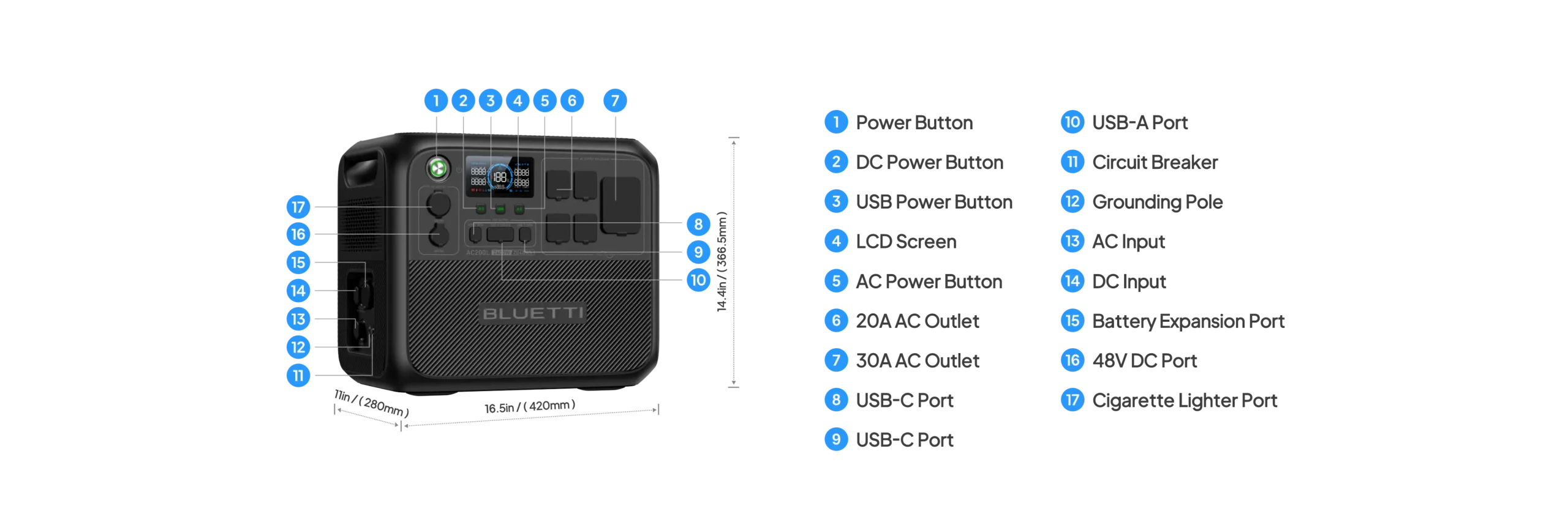
For most van-life setups, BLUETTI AC180 is the best starting point because it’s in the “do-most-things” class without jumping to heavy weight and cost. Choose AC180P when you want more runtime at the same 1,800W output. Choose AC180T if hot-swappable batteries matter for your workflow. Move up to the AC200 series when you’re running heavier loads or you want stronger solar input and expansion options.
 ❯
❯
Quick Comparison
Use this to pick the right class quickly, then click through to the full review/guide page for the details.
| Model | Power class | Battery | Best for |
|---|---|---|---|
| AC180 (Primary pick) Practical starter class |
1,800W output | 1,152Wh | Most vans: fridge + fan + lights + laptops, especially if you can recharge daily. |
| AC180P (More runtime) Same output, more battery |
1,800W output | 1,440Wh | Same use-case as AC180 but more buffer (fewer recharge scrambles). |
| AC180T (Hot-swap) Flexible runtime workflow |
1,800W (grid/2-battery) 1,200W (1-battery/no grid) |
1,433Wh (2-battery total) | People who want to swap batteries and keep going (workflow-first), not the lightest carry. |
| AC200 series (Move-up) Heavier essentials class |
2,400W output class | 2,0xx–2,3xxWh class | Heavier loads, better solar input, and expansion planning for multi-day reliability. |
Best Picks
Pick your class, then click the internal guide page for the real details and buying decisions.
Primary Pick: BLUETTI AC180
Best all-around starting point for many vans. The goal is to cover “everyday power” without overspending or carrying a heavy system you don’t need.
- Power class: 1,800W output
- Capacity: 1,152Wh
- Best for: fridge + fan + lights + laptops, with daily recharge planning
More Runtime: BLUETTI AC180P
Same 1,800W output class with more battery capacity. Buy this when your daily draw is similar to AC180 users, but you want more buffer.
- Power class: 1,800W output
- Capacity: 1,440Wh
- When to choose: you’re close to “running it down” daily on AC180
Workflow Pick: BLUETTI AC180T (Hot-Swappable)
Choose this when your goal is runtime flexibility—swap batteries and keep going. It’s about workflow, not minimal weight.
- Capacity class: ~1,433Wh (dual-battery total)
- Output note: listed output depends on grid / battery configuration
- Best for: people who want modular runtime management
Move-Up Class: BLUETTI AC200 Series
Step up when you’re running heavier loads, want stronger solar input, or you need a more expandable platform for multi-day reliability.
- Power class: ~2,400W output
- Capacity class: ~2,0xx–2,3xxWh
- Best for: bigger daily draw, less “power babysitting,” and better recharge options
Solar Sizing for Van Life
Most van builds bundle 100W–350W panels because roof space is the limiting factor. Your solar job is to replace what you used yesterday. If you can’t replace daily usage, you’ll eventually hit “dead battery day” no matter how big the power station is.
| Panel range | What it’s good for | Common mistake |
|---|---|---|
| 100W Minimal roof footprint |
Light usage: phones, lights, small fans, topping off between drives. | Expecting it to cover a fridge + devices daily. |
| 200W Typical “small van” range |
Better daily recovery for moderate loads if you manage usage. | Ignoring shade/angle and assuming nameplate watts all day. |
| 300W–350W Common bundle class |
Most practical van roofs. Better chance of covering a fridge + electronics with reasonable weather. | Not planning cloudy days or high-heat performance drops. |
If you’re constantly near empty, the fix is usually reduce load or increase recharge before buying a larger battery. Bigger capacity without recharge just delays the same failure.